




Best Time to Visit Southeast Asia
Choosing travel dates means trading blue skies and manageable heat against high-season crowds and prices. A Thailand beach stay and a Singapore city break respond differently to rain, humidity and regional weather, so begin with the destination and the conditions that would genuinely change your route.
Start here
Best time to visit by country
Use these overview guides to compare seasons, crowds, prices and the major regional trade-offs.

Thailand
Best Time to Visit Thailand: Seasons, Coasts and Crowds
Compare Thailand's seasons, regional weather, crowds, prices, smoke and sea conditions to choose travel dates, the right coast and a workable route.
Read guide →
Singapore
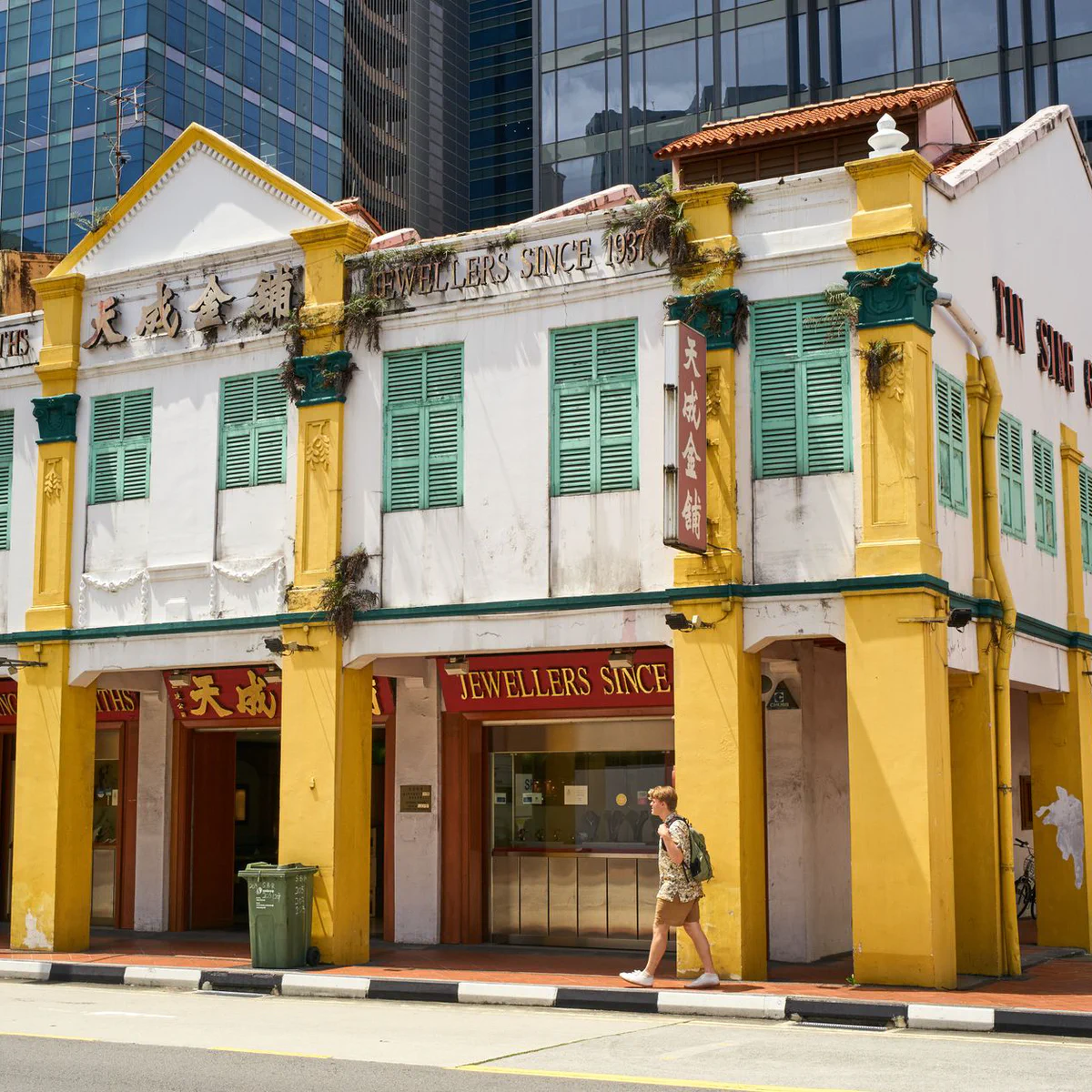
Best Time to Visit Singapore: 2026 Month-by-Month Guide
Plan your 2026 Singapore trip with a practical guide to monthly weather, monsoon cycles, festival crowds, room rates, and what to pack.
Read guide →Plan fixed dates
Month-by-month weather guides
Use monthly detail when your travel dates are fixed or your route crosses regions with different monsoon patterns.
City planning
Weather guides by city
City-level guides explain when heat, rain and daily timing change sightseeing plans.

Bangkok
Bangkok Weather & Best Time to Visit: Month-by-Month Guide
Compare Bangkok weather by month, including heat, rainfall, festival timing and the best season for sightseeing, based on Thai climate normals.
Read guide →
Chiang Mai
Best Time to Visit Chiang Mai: Weather by Month and Smoke Reality
Choose the best Chiang Mai month for your trip with practical guidance on heat, rain, mountain weather, smoke uncertainty, crowds and route changes.
Read guide →Plan before you book
How should you choose your travel dates?
We provide detailed weather breakdowns for Thailand, Bangkok, Chiang Mai and Singapore. Instead of applying one regional 'monsoon season' to your whole trip, use our destination guides to see how specific months will affect your route, comfort and budget.
Start with the places, not a regional average
The ‘best’ time to visit Southeast Asia changes for every coast, island, and city. In Thailand, one beach can be perfectly sunny while another just a few hours away is being hit by a monsoon. Singapore stays hot and humid year-round, which means having a rain plan and timing your walks for the early morning matters far more than finding a ‘dry’ month.
Pick your must-visit spots first, then look at the month-by-month trade-offs. A regional weather chart might give you a general idea, but it won’t tell you if the ferries are running or if a trekking route is too muddy to be safe.
Separate weather from trip pressure
A dry month often comes with the highest hotel rates and the most crowded temples. Conversely, a ‘wet’ month might still be a great time to visit if the rain only lasts for an hour in the afternoon and you’ve got a cool cafe or a museum to retreat to. Decide what your deal-breaker is: is it the intense heat of April, the haze of the burning season, or the price spike of the year-end holidays?
Use the country guide for the big seasonal shift, then the city or monthly guide for the daily reality. Don’t obsess over a forecast until a few days before you fly; long-range patterns can’t predict that one specific afternoon storm.
Check every destination separately
We cover Thailand, Bangkok, Chiang Mai and Singapore in detail because their weather patterns do not stand in for the rest of the region. A clear day in Singapore says nothing about rain in Bali or Hanoi, while a hot Chiang Mai afternoon says little about conditions on Doi Inthanon. Check each destination before committing to a flight, trail or boat transfer.
Avoid treating “winter” as a universal answer for Asia. Compare the exact region and month against the activities you want, especially when a route includes mountains, islands or long overland transfers.