
Thailand Travel Insurance: Compare Cover, Cost and Exclusions
Compare Thailand travel insurance by medical cover, evacuation, motorbike and activity exclusions, cancellation terms and personalized price.


Travel insurance for Thailand should cover losses that would be painful to absorb yourself: a hospital bill, an emergency flight home or expensive prepaid bookings lost for a covered reason. A generic “best insurer” list cannot account for age, country of residence or whether the trip involves scooters and diving rather than a quiet beach stay.
Insurance is not generally a border requirement for an ordinary short tourist visit, but that does not make it unnecessary. Four days in Bangkok has a different risk profile from a month of island-hopping and motorbike travel. The regional travel-insurance hub compares how these needs change across destinations.
Compare medical insurance, booking protection and flight-compensation services
EKTA, Klook and Compensair provide fundamentally different services. Identify the actual contract, underwriter and eligibility rules before entering payment details.
| Platform/product | What it actually is | Who may use it | The check that matters |
|---|---|---|---|
| EKTA | Direct travel medical insurance with optional higher-tier benefits | Many international travelers, subject to residence, age and quote eligibility | Underwriter jurisdiction, per-event limits, deductible, activities and claim procedure |
| Klook Protect | Either a booking-level upgrade or a more comprehensive policy, depending on market and checkout | Only supported resident markets and eligible bookings | Read the named insurer and full wording; “No-show Refund” is not travel medical insurance |
| Compensair | Flight passenger-rights claim service—not insurance | Eligible disrupted flights under specific EU, UK, Turkish or Canadian rules | 30% success fee and a possible additional 10% legal fee |
Klook’s Thailand travel insurance page shows why residency eligibility must be checked first. Its Chubb-underwritten product is strictly for Thailand residents, requires travel purchased from Klook for the same trip and cannot be bought as a standalone policy for inbound tourists. The policy wording presented at checkout—not the Klook brand name—defines the coverage.
Any affiliate product card on this page must be judged against its full policy wording. EKTA provides direct medical-insurance quotes. Compensair appears here only as a comparison with a different service: it assesses eligible flight disruptions for compensation and cannot replace travel insurance.
EKTA: the limits behind the headline
The current EKTA wording identifies IC “Auras Insurance” LLC, licensed in the Union of Comoros, as the primary insurer. Tripbox LTD handles the website and payment technology but states that it is not the insurer, broker or agent. Before buying, decide whether the licensing jurisdiction and potential dispute route are acceptable from your country of residence.
The policy outlines three programs: START (US$50,000 limit with a 25% deductible), GOLD (US$150,000, no general deductible), and MAX+ (US$500,000, no general deductible). These headline numbers are not necessarily the amount available for one hospital visit. The wording includes a US$3,000 per-person sub-limit for a single covered event, and limits can decrease sharply for travelers over 60. Confirm the exact per-event amount in writing before paying because the issued policy overrides the marketing headline.
For Thailand’s roads and trails, the standard wording excludes “active recreation”—a broad term covering mechanical transport, bicycles and even hiking—unless the additional premium is paid. It also excludes driving without the license required by Thai law. A high medical limit does not override the license requirement or the need for a specific activity add-on.
Other claim conditions matter: chronic or pre-existing conditions are generally covered only in life-threatening emergencies; notification is usually required within 24 hours; and a medical bill over US$1,000 typically requires written consent before treatment. Save the full wording and emergency contact numbers offline.
Compensair: useful only for an eligible flight claim
Compensair specializes in navigating the bureaucracy of delayed or cancelled flights, denied boarding, and missed connections. It’s important to remember that your eligibility is determined by your flight route, the operating airline, and the specific aviation laws involved—not just because you’re flying to Thailand. For instance, a departure from the EU might qualify for compensation, but a domestic flight within Asia usually won’t, even if you’re connecting to a European carrier later.
Submitting a case is free, but Compensair currently takes a 30% service fee from recovered compensation, plus another 10% if legal action is required. Claiming directly from the airline avoids that fee but requires handling the correspondence yourself.
The coverage hierarchy
1. Emergency medical treatment
Check inpatient and outpatient cover, emergency dental limits and any requirement for pre-authorization before visiting a clinic. A large headline limit may be narrowed by sub-limits, exclusions or a deductible applied to each incident.
Ask whether the insurer’s assistance team can arrange direct billing with Thai hospitals. If it cannot, you may need to pay first and claim reimbursement later. Keep access to enough credit for an emergency deposit, but do not treat a credit card as a substitute for insurance.
2. Evacuation and repatriation
For remote islands and rural provinces, check whether the insurer chooses the receiving hospital, whether transport is limited to the “nearest adequate” facility and the conditions required for repatriation to the home country.
Remember, medical evacuation and repatriation are professional decisions made by the assistance provider, not a lifestyle choice to fly home early because you’re feeling unwell. In most cases, the medical team on the ground will have the final say.
3. Cancellation and interruption
Add up flights, hotels, tours and transport that are both prepaid and non-refundable. Cancellation cover should reflect that amount. Most policies pay only for named reasons; changing your mind or worrying about rain does not normally qualify.
Buy insurance once substantial non-refundable bookings are made because some benefits are time-sensitive. Save the full wording and insurance certificate at purchase; online summaries can change later.
4. Activities and transport
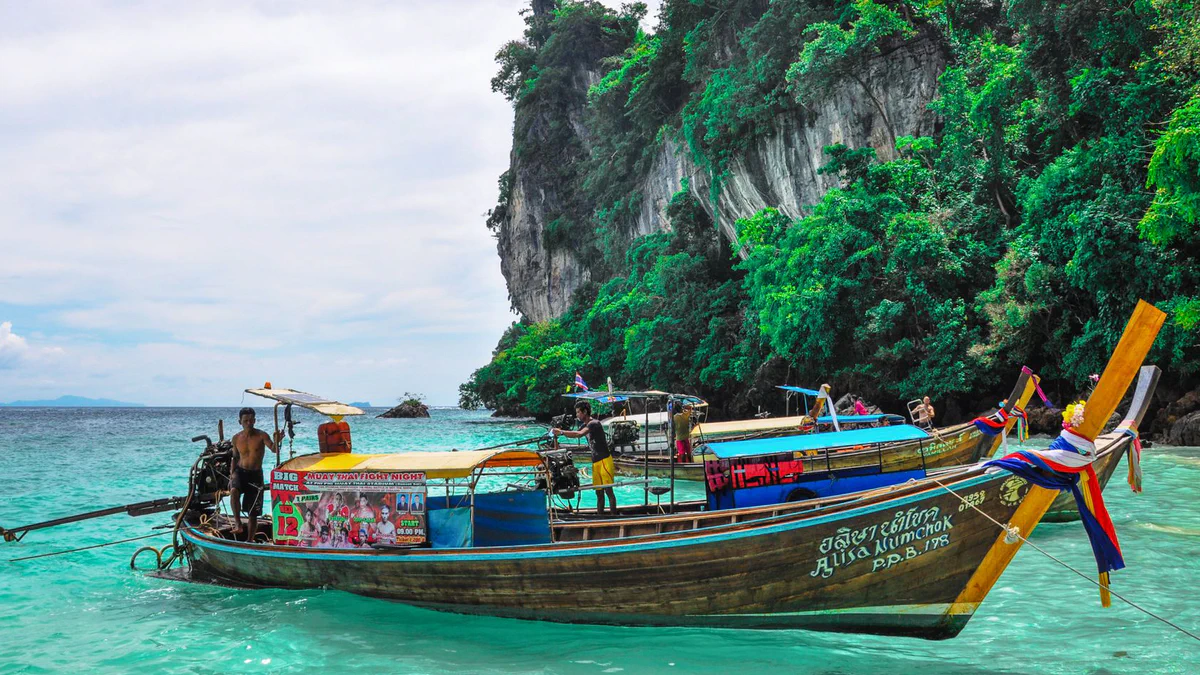
List every activity under consideration—from scooters and diving to trekking, zip-lining and longtail-boat trips—then search the policy wording for each one. Check diving-depth limits, scooter-license requirements and exclusions for adventure sports or intoxication.
Before paying, compare the cover with the activities in the Thailand itinerary and any planned island day trips. An exclusion found before booking is inconvenient; the same exclusion found during a claim is expensive.
5. Baggage, phones and delays
Per-item limits and electronics cover matter more than the overall baggage headline. Property left unattended, electronics placed in checked luggage and losses without a police report are common exclusions or reasons for denial. Delay benefits also begin only after a stated number of hours and generally require receipts.
Why price comparisons often mislead
An insurer cannot produce a meaningful quote from “Thailand for two weeks” alone. Price and eligibility depend on several factors:
- country and state of residence;
- age of each traveler;
- travel dates and total trip length;
- prepaid non-refundable trip cost;
- medical declarations;
- medical, evacuation and cancellation limits;
- deductible or excess;
- optional sports or rental-car cover.
Use identical inputs in every quote tool, then compare medical limits, evacuation wording, deductibles and exclusions in a simple worksheet. A cheap policy is poor value when it excludes the activity most likely to create a claim.
Thailand-specific checks
Motorcycles and scooters
Travel insurance does not make an illegal or uninsured ride safe. Many policies require a license valid for the vehicle, an International Driving Permit, a helmet and compliance with local law. A claim may fail even when another road user caused the crash if the insured rider was not legally licensed.
EKTA’s wording treats “active recreation” and mechanical land transport as excluded unless additional cover is purchased. It also requires a license valid in the country where the accident occurs. Save screenshots of selected activity options, the rental agreement, license and evidence of helmet use; a generic “sports covered” icon does not establish the claim conditions.
Islands and ferries
Weather can interrupt ferries and island tours, but the policy wording decides which events and extra costs qualify for reimbursement. Start with the tour operator’s cancellation policy; insurance generally addresses eligible losses that remain after supplier refunds.
Existing medical conditions
Declare existing conditions, recent consultations and current medications exactly as the insurer asks. Definitions may include stable conditions or the health of a non-traveling relative whose illness could force a cancellation. When an answer is unclear, obtain written clarification before buying.
A five-minute buying test
Before payment, you should be able to answer:
- Who underwrites the policy and who handles emergencies?
- Are all countries and dates in the trip covered?
- What medical and evacuation limits apply?
- What deductible applies, and is it per person or claim?
- Are scooters, diving or planned activities covered under the exact conditions?
- What prepaid cost is insured for cancellation?
- What phone number or app will you use during an emergency?
If the sales page or summary does not answer these questions, open the full policy wording and search for them—or choose a more transparent product.
Fit insurance into the rest of the plan
Place the premium beside flights, accommodation and non-refundable activities in the Thailand travel-cost guide. Keep the policy and emergency assistance number offline as well as through the SIM/eSIM setup. If Bangkok is the first stop, choose the Bangkok neighborhood before deciding how much hotel value needs cancellation cover.
This comparison is general planning information, not personal insurance advice. Eligibility and applicable regulation depend on residence and the market in which the policy is sold.
Quick answers
Frequently asked questions
Is travel insurance mandatory for a Thailand holiday?
How much does Thailand travel insurance cost?
Does travel insurance cover scooter accidents in Thailand?
Research notes
Official planning references
We use these primary references for the time-sensitive details relevant to this guide. Rules, prices and operating hours can change, so confirm the live information before you travel.
- Thailand Ministry of Foreign Affairs — visas and entry
Details to check: Official visa and entry information for travelers to Thailand.
- Tourism Authority of Thailand — travel information
Details to check: Official destination and traveler-planning information.
- EKTA policy wording
Details to check: Current insurer, plan limits, deductibles, per-event sub-limits, exclusions and claim procedure.
- EKTA legal information
Details to check: Current underwriter, licensing jurisdiction and platform-operator roles.
- Klook Protect
Details to check: Current distinction between booking upgrades and comprehensive travel insurance, subject to market eligibility.
- Klook Thailand resident travel insurance by Chubb
Details to check: Residency, same-trip booking and underwriting restrictions on the Thailand-market product.
- Compensair services and payment policy
Details to check: Current success fee, possible legal fee and payment process for flight claims.
Guide reviewed 20 August 2026. Confirm live rules, prices and operating details with the linked authority before travel.