Packing List for Thailand: 2 Weeks, One Carry-On (2026)
Pack for two weeks in Thailand with a practical checklist for clothing, temples, rain, electronics, medicine and documents, without hauling 14 outfits.


The absolute easiest way to ruin your first few days in Thailand is to pack 14 complete outfits “just in case.” A large suitcase becomes a burden quickly on humid, crowded train platforms, especially when every transfer involves stairs or a narrow carriage aisle. Pack for five to seven days, embrace the fact that you’ll use a local laundry service for 40-60 baht, and leave enough empty space for wet swimwear and the inevitable treasures you’ll pick up along the way.
This list is built for a typical two-week journey that mixes the chaos of Bangkok, the mountains of the north, and the heat of the islands. Only add specialized gear if your specific itinerary demands it—otherwise, keep it light and breathable.
The 20 essentials in 60 seconds
- your passport, Thailand entry documents, and a printed copy of your travel insurance;
- two bank cards (one as a backup) plus quick access to emergency cash;
- your phone, a sturdy charging cable, and a plug adapter if your home plugs aren’t two-pronged;
- any prescribed medicine, kept strictly in its original, labeled packaging;
- five lightweight, breathable tops that won’t show every drop of sweat;
- three or four bottoms, ensuring at least one covers your knees;
- one dedicated, shoulder-covering outfit for temple visits;
- underwear and socks for about a week;
- two swimsuits (because one will always be drying on your balcony);
- a pair of well-broken-in walking shoes;
- sturdy sandals that can handle a sudden tropical downpour;
- a light layer (a hoodie or cardigan) for freezing air-conditioned buses and trains;
- a compact rain shell or a travel-sized umbrella;
- a reliable sunscreen that suits your skin;
- a high-DEET insect repellent for evening protection;
- a reusable water bottle to stay hydrated in the relentless heat;
- a small, focused first-aid kit;
- a dry bag or waterproof pouch for boat trips and rainy days;
- high-quality sunglasses and a wide-brimmed hat;
- digital and paper copies of all important documents, stored separately.
Take a screenshot of this list now. The sections below will help you understand the “why” behind these quantities and what is much easier to just buy once you’ve landed.
Pack for Thailand’s weather, not one national forecast
When you step out of the airport, the “wall of heat” is real. The Tourism Authority of Thailand describes a broad hot, rainy, and cooler seasonal rhythm, with temperatures usually hovering between 18 and 38°C. However, regional coastlines follow their own distinct rain calendars, so check the specific forecast for each of your stops rather than packing for “Thailand in July” as if it were a single climate. You can consult the official Thailand weather overview or dive into our Thailand weather-by-month guide for more nuance.
Cooler and drier months: roughly November to February
This is the most pleasant time to visit, but don’t be fooled. Pack your normal lightweight wardrobe, but definitely include one thin layer. Northern mornings in places like Chiang Mai and the air-conditioned sanctuary of long-distance trains can feel surprisingly cool, even while Bangkok is still sweltering by midday.
Hot months: roughly March to May
During this period, the heat is aggressive. Prioritize loose, natural, breathable fabrics like linen or light cotton, a good hat, and something that protects your shoulders from the direct, punishing sun. A second cotton T-shirt is often less useful than a single quick-drying technical shirt that you can wash in your hotel sink and have ready by morning.
Rainier months: broadly June to October
The rain comes fast and heavy. Bring a compact shell or a sturdy umbrella, ensure your phone has a waterproof pouch, and wear footwear that won’t be ruined by a deep puddle. A heavy rain jacket often just traps your own body heat; a small umbrella is often much more comfortable for city walking, while hikers and boat travelers will need more substantial, breathable protection.
Clothing: useful quantities for two weeks
| Item | Pack | Why |
|---|---|---|
| Lightweight tops | 5 | You’ll sweat more than you think; rotate and wash mid-trip |
| Shorts/skirts | 2 or 3 | Essential for the relentless midday heat |
| Lightweight trousers or long skirt | 1 or 2 | For temples, evening mosquito protection, and cooler nights |
| Shoulder-covering top | 1 | A non-negotiable for royal sites and major temples |
| Underwear | 7 or 8 | Enough for one full laundry cycle |
| Socks | 3 to 5 pairs | Depends on how much you use closed walking shoes |
| Swimwear | 2 | One to wear while the other dries from yesterday’s dip |
| Sleepwear | 1 | Keep it as light and breathable as possible |
| Light layer | 1 | For the freezing air-con on trains and northern mornings |
| Rain layer | 1 | Should be compact, quick-drying, and breathable |
A practical women’s packing list
Pack versatile pieces that can easily form a modest outfit without you having to constantly worry if a scarf wrap will be accepted at the gate. A loose blouse with actual sleeves and a midi skirt or lightweight trousers is far more reliable at formal sites than a strappy sundress with an improvised wrap.
In beach towns, remember that swimwear is for the pool or the sand. Consider always carrying a light shirt or a cover-up for when you’re in shops, restaurants, or walking the streets—it’s more respectful and you’ll feel less like a “sore thumb” tourist. Also, a lightweight anti-chafe product will be your best friend in the tropical humidity.
A practical men’s packing list
Five breathable shirts (linen is a godsend), two or three pairs of comfortable shorts, and one pair of lightweight long trousers will cover almost every situation. Ensure at least one of your shirts has sleeves for visits to royal grounds and more conservative temples. Leave heavy denim at home; it dries painfully slowly and becomes a heavy, sticky burden in the humidity. Only bring it if you are genuinely comfortable wearing it in 35-degree heat.
Temple and palace dress code
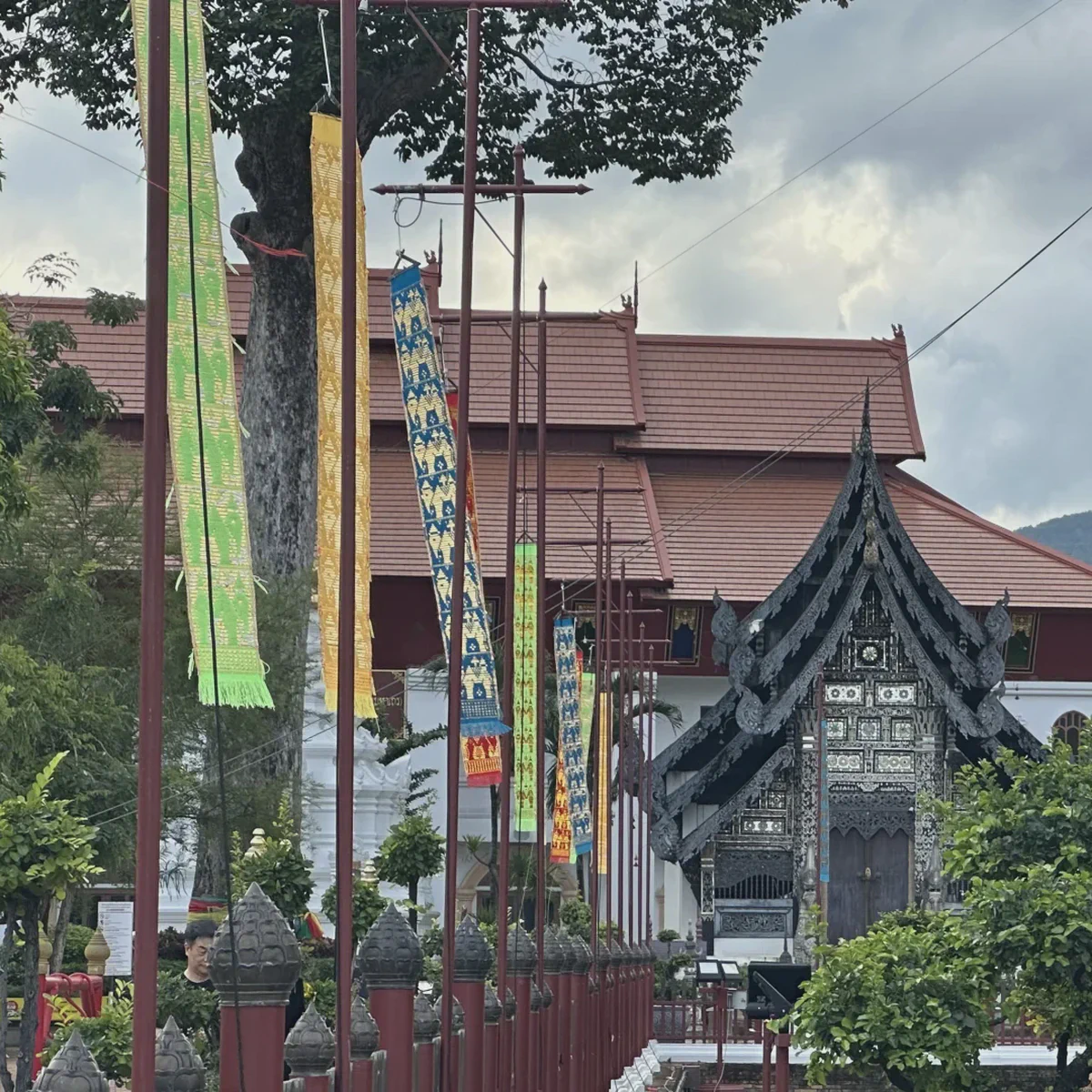
Dress expectations in Thailand are not just suggestions; they are a sign of respect. For the Grand Palace and other royal grounds, the Tourism Authority is very clear: sleeves and long trousers for men; sleeves and either long trousers or a skirt that comfortably covers the knees for women. They also explicitly list shorts, sleeveless or cropped tops, sheer or ripped clothing, and flip-flops as items that will get you turned away at the door. You can read the official palace dress guidance and double-check the specific venue’s rules before you set out.
Do not gamble on a rental sarong being available or accepted at the gate. Pack one proper, respectful outfit that you feel comfortable in.
Footwear: two pairs are usually enough
Bring one pair of comfortable, supportive walking shoes and one pair of sandals with a reliable grip. You only need to add water shoes if your specific trip involves rocky island entries, kayaking, or boat landings where you want to protect your feet from sharp coral or sea urchins.
A word of warning: new, unbroken-in shoes are a guaranteed recipe for travel misery. Break them in thoroughly before you leave home. While cheap flip-flops are incredibly easy to buy at any 7-Eleven, remember that they are a poor substitute for secure, grippy footwear when you’re navigating wet temple steps or walking kilometers across a city. Slip-on shoes are a lifesaver in Thailand, as you’ll be taking your shoes off and putting them back on dozens of times a day at temples and even some shops.
Electronics and adapters
Pack your phone, your essential cables, a high-capacity compact power bank, and only the camera gear you are actually willing to carry around in the sweltering midday heat. Download offline maps for your next destination before you embark on a long transfer.
Socket shapes in Thailand can be a bit of a mixed bag. Check whether your home plugs fit the local two-pronged supply and ensuring each of your devices supports the local voltage; remember, a plug adapter only changes the shape, not the voltage itself. A small, high-quality universal adapter is the simplest, most reliable answer for most international travelers. Leave high-wattage hair tools at home unless they are explicitly dual-voltage and you absolutely cannot live without them—most hotels provide a basic dryer anyway.
Always keep your batteries and power banks in your cabin baggage, as per your airline’s current safety regulations.
Toiletries and personal care
Think of this as a starter kit, not a two-week bathroom cabinet. You want to carry only what you need for the first few days:
- a broad-spectrum sunscreen that you know your skin won’t react to;
- your toothbrush, toothpaste, and a reliable deodorant;
- a high-quality insect repellent;
- the specific menstrual products you prefer (choices can be limited in rural areas);
- contact-lens supplies, solution, and a spare pair of glasses;
- a small bottle of hand sanitizer for those roadside snack stops;
- any specialty hair or skin products that you know you cannot easily replace.
Thailand’s ubiquitous convenience stores and pharmacies are excellent for restocked shampoo, soap, and other everyday essentials. However, don’t count on finding your exact brand or formulation once you’re on a remote island or in a quiet northern town. Pack the essentials, buy the rest.
Medicine and a sensible health kit
Bring prescribed medicines in their original, labeled packaging, along with copies of your prescriptions. Pack enough to cover your entire trip plus a few extra days for any unexpected travel delays. This isn’t just for your health—it’s for smooth passage through customs.
A compact, sensible health kit should include basic adhesive bandages, blister care for those long walking days, oral rehydration salts (a lifesaver if “Thai belly” strikes), a pain reliever you know and trust, motion-sickness medicine for those winding mountain roads or boat transfers, and any specific medication recommended by your doctor for this specific itinerary.
The CDC notes that dengue and other mosquito-borne illnesses are a real factor in Thailand and strongly recommends taking insect-bite precautions. High-quality repellent and wearing covering clothing in the evenings are far more effective than any panic-driven overpacking. Review the current CDC Thailand traveler guidance with a travel-health professional before you depart to ensure you’re properly protected for the specific areas you plan to visit.
Documents and money
Keep your essential documents together, but Do not keep them all in one single physical place. If you lose one bag, you don’t want to lose everything.
- your passport and all required entry documentation;
- your travel-insurance certificate and a clear note of their 24-hour emergency number;
- your flight details and the address of your first night’s accommodation;
- your international driving permit and home license if you have any intention of renting a vehicle;
- two separate payment cards, stored in different bags or pockets;
- a small amount of Thai Baht cash for your first few hours;
- digital and paper copies of your passport’s identity page and your prescriptions, stored separately.
Don’t rely solely on international payment systems. While cards are widely accepted in major hotels and malls, cash is still the undisputed king at local markets, small family-run restaurants, and for most local transport. When you use an ATM, be wary: never let the machine make the exchange-rate decision for you without reading the screen carefully—it’s almost always better to choose the “without conversion” option.
Seasonal and itinerary add-ons
| Trip type | Add | Leave behind |
|---|---|---|
| Northern mountains | A thin, high-quality warm layer and sturdy walking shoes | That heavy winter coat you think you might need |
| Rainy-season cities | A sturdy umbrella and a reliable waterproof phone pouch | A bulky, non-breathable hiking shell |
| Islands and boats | A dry bag, a rash guard for sun protection, and motion-sickness pills | Multiple pairs of dressy shoes |
| Jungle or rural areas | Long sleeves, long trousers, and the strongest bite protection | Fashion-focused sandals with no grip |
| Work trip | A reliable laptop adapter and backup authentication access | Any camera kit you won’t realistically use |
What to buy after arrival
Do not carry fourteen days of consumables. Everyday toiletries, bottled water, snacks, inexpensive umbrellas, simple beachwear, and laundry detergent are incredibly easy to find in any Thai city or resort area. Buying locally is part of the experience and keeps your bag light.
However, you should exercise more caution with specialty sunscreens, larger clothing sizes (which can be hard to find in local shops), specific prescription medicines, and technical outdoor gear. If a substitution would cause you stress, bring it from home.
What not to pack
- Fourteen outfits: local laundry services are easier, cheaper, and faster than hauling a massive bag.
- Expensive jewellery: It’s an unnecessary worry that adds no value to your trip and can make you a target for petty theft.
- A heavy towel: Almost every accommodation will supply one; only pack a small, quick-dry microfiber towel if you’re staying in very basic hostels.
- Single-voltage hair tools: They are often incompatible with the local supply and just take up precious space.
- Too many shoes: two well-chosen, useful pairs beat four situational pairs every time.
- A scooter plan without the right paperwork: Packing a helmet doesn’t magically solve the legal and insurance nightmare of riding without a license.
- Unlabelled pills: Save yourself the stress at the border; keep all medication in its original, labeled packaging.
Final packing check
Before you zip that bag shut, lay everything out one last time, remove that one “just in case” outfit you know you won’t wear, and confirm that you can actually lift the bag into an overhead rack without straining. Then, take one final look at your route: our 10-day Thailand itinerary is perfect for a faster first trip, while the two-week Thailand itinerary shows you how to make the most of every day.
The goal here isn’t to have the smallest bag possible. It’s to have a bag whose contents you truly understand, will actually use, and can carry across a hot, humid platform without resenting every single extra item you packed.
Quick answers
Frequently asked questions
How many clothes do I need for two weeks in Thailand?
Do I need a warm layer in Thailand?
What should I wear to temples in Thailand?
Can I buy toiletries in Thailand?
Research notes
Official planning references
We use these primary references for the time-sensitive details relevant to this guide. Rules, prices and operating hours can change, so confirm the live information before you travel.
- Tourism Authority of Thailand
Details to check: Official destination information and trip-planning context
Guide reviewed 12 July 2026. Confirm live rules, prices and operating details with the linked authority before travel.