15 Hidden Gems in Thailand Worth the Extra Journey (2026)
Compare 15 less-obvious places in Thailand, from mountain pagodas and Mekong art to quieter islands, with access, timing, route fit and travel trade-offs.


Thailand does not have fifteen “secret” places waiting to be discovered by a lucky few. The destinations below are known, lived-in, and cherished, especially by Thai travelers who know where to find a slower pace of life. What makes them so valuable is that they sit outside the relentless Bangkok-Chiang Mai-Phuket circuit, offering a different rhythm for those willing to trade convenience for character. Compare these with the mainstream choices in our Thailand destinations guide before you decide to replace a headline act with one of these quieter alternatives.
Choose one of these, perhaps two—but definitely not five. A hidden gem stops feeling like a reward the moment it turns your holiday into a grueling sequence of dawn transfers and logistics.
How this list was chosen
Each place included here has a clear, compelling reason to go, a workable access route, and—most importantly—an honest drawback. This guide includes details on weekend crowds, seasonal closures, and the reality of limited public transport because “off the beaten path” in Thailand often means more complex planning and a bit more sweat, even if there are fewer people around.
Mountain temples and historic towns
1. Wat Chaloem Phra Kiat, Lampang
White pagodas appear to balance precariously on the sharp limestone peaks above Chae Hom district, like something out of a dream. The view is rewarding, but the approach involves a bumpy local transport ride followed by a steep final climb. This is a pilgrimage, not a casual roadside stop.
How to use it: Consider sleeping in Lampang or arranging a dedicated driver rather than attempting this as a rushed, exhausting return trip from Chiang Mai. Start as early as possible to beat the midday heat and avoid the mountain altogether if stormy conditions are forecast.
Trade-off: Access details can change without notice, and the final mountain section is physically demanding for anyone not used to steep, humid hikes.
2. Wat Phu Tok, Bueng Kan
Wooden walkways wrap around a massive sandstone outcrop in Thailand’s far northeastern corner. The ascent is as much a devotional act as it is a scenic one, and while the engineering is impressive, the exposed sections are definitely unsuitable for travelers who feel even a slight discomfort with heights.
How to use it: Make Bueng Kan a purposeful part of a wider Mekong or Isan route. Dress modestly to respect the monks, carry plenty of water, and be prepared for religious restrictions or weather-related closures.
Trade-off: Simply reaching the province takes significant time, and you should never attempt the climb in poor weather when the wooden slats can become treacherous.
3. Lampang old town
Lampang is too often reduced to a mere station on the rail line between Bangkok and Chiang Mai. If you stay, you’ll find beautiful teak houses, quiet riverside neighborhoods, a thriving ceramics scene, and a pace of life that makes northern Thailand’s history much easier to absorb.
How to use it: Spend at least two nights here. Walk the old quarter in the late afternoon when the light is soft, and use the city as a strategic base for nearby temples rather than commuting back and forth from Chiang Mai.
Trade-off: Nightlife is quiet, and the English-language tourist infrastructure is quite limited compared to the polished machine of Chiang Mai. You’ll need a bit more patience here.
Quiet islands and coastal escapes
4. Koh Mak, Trat

Koh Mak is significantly smaller and flatter than its mountainous neighbor, Koh Chang, offering a landscape of coconut groves and rubber plantations between low-key, uncrowded beaches. It perfectly suits cycling, quiet hotels, and those travelers who genuinely do not need a different organized tour every single day.
How to use it: You’ll need to connect through Trat and find the appropriate mainland pier—it takes effort to get here, which is why it stays so quiet. Plan to stay at least three nights to let the island’s slow rhythm sink in. Always confirm seasonal boat operations before you finalize your booking.
Trade-off: Nightlife is virtually non-existent, and there are very few all-weather activities if the clouds decide to settle in.
5. Koh Phayam, Ranong
Koh Phayam’s primary appeal is its sense of space: long, sweeping beaches, sprawling cashew trees, and a low-rise, almost nostalgic atmosphere off the Andaman coast. Motorbikes are the main way to get around, but the sandy lanes can be tricky—don’t feel pressured to rent one if you aren’t a confident rider.
How to use it: Travel via Ranong and pay close attention to the boat conditions. Choose your accommodation near the specific beach you want to wake up on, rather than assuming that getting around the island is effortless once you arrive.
Trade-off: Tropical rain and rough seas can impact your plans significantly, and you should remember that medical facilities and shopping options are extremely modest here.
6. Trang’s island coast
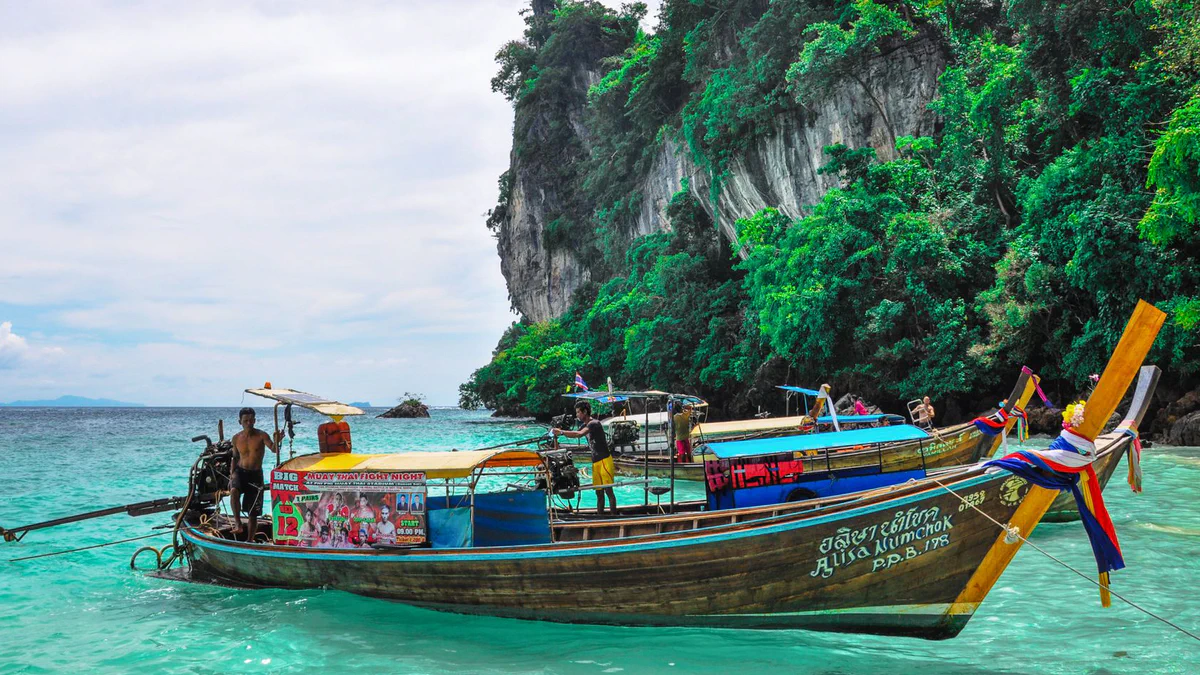
Trang province offers a refreshing, less-commercial Andaman base compared to the bustling hubs of Phuket or Krabi. Islands like Koh Mook and Koh Kradan combine crystal-clear water days with a much more dispersed, local tourism scene that feels miles away from the crowds.
How to use it: Pick one island as your base and treat any boat excursions as strictly weather-dependent. Always check the latest national-park rules and seasonal access, as some of the most famous sites (like the Emerald Cave) have strict entry limits.
Trade-off: Coordinating transfers between the mainland and the islands requires more effort and patience, and you should know that popular spots are definitely not crowd-free during the peak dry season.
Waterfalls, lakes and high viewpoints
7. Thi Lo Su Waterfall, Tak

Thi Lo Su is a massive, multi-tiered waterfall tucked deep within the Umphang Wildlife Sanctuary. It is spectacular precisely because it remains so remote; reaching it involves a long, winding road journey (bring motion sickness pills!), highly regulated local transport, and significant seasonal limitations that can change with a single heavy storm.
How to use it: This is not a casual day trip. You must plan your visit through a licensed local operator in Umphang and meticulously verify current sanctuary access before you set out.
Trade-off: Thi Lo Su is a destination in its own right, not an easy add-on to a northern loop. The road and weather conditions are the real bosses here and will dictate your entire schedule.
8. Cheow Lan Lake, Khao Sok
While Cheow Lan Lake is hardly a secret, many Thailand itineraries still skim the edges of Khao Sok without committing to a night on the water. The sight of limestone towers emerging from the early-morning mist is one of Thailand’s most cinematic experiences, feeling worlds apart from the mainland’s busy resort circuit.
How to use it: Book a dedicated lake stay or an authorized tour that clearly lays out the transfer logistics, the standard of accommodation (which can be very basic), and the mandatory park fees. Listen to your guide’s advice and never treat wildlife sightings, like wild elephants or hornbills, as a guaranteed part of the show.
Trade-off: The raft-house rooms are often genuinely simple—expect thin walls and shared facilities—and the reliance on boat logistics means you trade a lot of your independence for the view.
9. Phu Chi Fa, Chiang Rai
This dramatic ridge on the border with Laos is famous for the “sea of mist” that forms at sunrise. The entire experience depends on the whims of the weather; the honest version of this trip includes the very real possibility of standing in thick fog without a single cinematic reveal.
How to use it: Sleep at a local guesthouse nearby so you can start your ascent in the dark, and definitely bring a warm layer—the pre-dawn wait at that altitude is surprisingly chilly. Hiring a local driver is usually much safer and simpler than trying to navigate the mountain roads in the dark yourself.
Trade-off: Sunrise can be incredibly busy with domestic Thai visitors, especially during the cooler months and on public holidays. Don’t expect to have the ridge to yourself.
Rice terraces and Isan culture
10. Ban Pa Pong Piang, Chiang Mai province
Terraced rice fields fold elegantly through the mountain slopes southwest of Chiang Mai, creating a landscape that looks almost hand-painted. The entire experience changes depending on the planting and harvest cycle—from shimmering pools of water to lively green stalks—and staying in a local homestay is an essential part of the story, far removed from interchangeable city hotels.
How to use it: You should confirm the current field conditions and road access with your local host before you leave Chiang Mai. Stay overnight to experience the silence of the mountains rather than just arriving for a quick photograph and leaving.
Trade-off: You’ll face rough, unpaved roads, very limited facilities, and a view that is highly seasonal—if you go at the wrong time, the terraces can be dry and brown.
11. Ubon Ratchathani and Pha Taem
Ubon Ratchathani serves as a solid, grounded base for exploring the rich culture and rugged landscapes of the lower-Isan region near the Mekong borderlands. The Tourism Authority highlights the province’s spectacular Candle Festival, the prehistoric rock paintings of Pha Taem, and the dramatic rock formations in the nearby national parks in its official Ubon guide.
How to use it: Allow at least two or three nights to really see the area, and consider hiring a driver for the dispersed sights. If the Candle Festival is your main draw, confirm the exact dates and book your accommodation months in advance.
Trade-off: Distances in Isan are significantly larger than they appear on a map, and festival periods can be crowded and noisy rather than quiet and contemplative.
12. Nong Khai and Sala Keoku
Nong Khai pairs a wonderfully relaxed Mekong riverfront atmosphere with the surreal wonder of Sala Keoku, a sculpture park filled with massive concrete figures drawn from the depths of Buddhist and Hindu mythology. The city works perfectly as a comfortable rail stop or as a base for a wider exploration of the northeast.
How to use it: Spend a quiet night by the river, visit the sculpture park in the soft light of the late afternoon to avoid the heat, and only attempt to visit nearby temples if you have transport already arranged.
Trade-off: The real appeal here is the laid-back atmosphere, not a frantic checklist of headline attractions. If you’re looking for high-octane excitement, this isn’t it.
Food landscapes and local detours
13. Chanthaburi old town and fruit country
Chanthaburi is a fascinating mix of a historic riverside quarter, a gritty gem-trading history, and lush orchards that stretch across eastern Thailand. The local fruit seasons will dictate exactly what’s on your plate, but the old town itself remains a rewarding place to wander even without a farm visit.
How to use it: Stay for two nights and try to combine a walk through the historic riverfront with a visit to a responsibly run orchard or a community-led workshop, especially during the durian and mangosteen seasons.
Trade-off: Having your own transport makes exploring the rural outskirts much easier; without it, you’ll be limited to the town center.
14. Nan
Nan’s compact, walkable center brings together exquisite temple murals, hearty northern food, and an urban scale that feels much more intimate and manageable than Chiang Mai. The surrounding province offers legendary mountain roads and pristine national parks, but the town itself is charming enough for a stand-alone short stay.
How to use it: Give the town center a full, slow day before you consider hiring a driver for countryside excursions. Whatever you do, do not underestimate how long it takes to navigate the winding mountain roads.
Trade-off: Flights and long-distance public transport to Nan can be less frequent than on the major tourist routes, so you’ll need to plan your entry and exit carefully.
15. Khanom, Nakhon Si Thammarat
Khanom is a rare mainland beach area on the Gulf coast, perfect for travelers who want the sea breeze without the logistical commitment of a ferry to an island. Boat trips are often sold around pink-dolphin sightings, but wildlife should never be chased or guaranteed; a responsible operator keeps its distance.
How to use it: Stay locally, choose boat operators who demonstrate clear wildlife-protection practices, and make sure your trip is worthwhile even if the dolphins decide to stay out of sight that day.
Trade-off: Having a car or an arranged transfer is almost essential here, and you should know that the beach scene is deliberately quiet and low-key.
Two hidden-feeling places in Bangkok
Bang Krachao
Just across the Chao Phraya River from the towering skyscrapers of central Bangkok, Bang Krachao trades concrete for lush gardens, raised bicycle lanes, and quiet, low-rise neighborhoods. You can go early in the morning to beat the heat, and only rent a bicycle if you are genuinely comfortable navigating narrow, elevated paths. Remember, this is a living residential area, not a curated theme park—respect the local pace.
Khlong Bang Luang and the Artist’s House area
Walking along these canal-side walkways and through the old timber buildings offers a glimpse into a much slower, traditional side of Bangkok. Performance schedules for the famous puppet shows can change without notice, so visit for the neighborhood atmosphere rather than pinning the whole day on one performance.
Best time to visit: a decision table
| Place type | Usually easiest when | What to verify |
|---|---|---|
| Trat and Andaman islands | The drier local sea season | Boat schedules and the daily marine forecast |
| Mountain viewpoints | Cooler, clearer periods | Fog density, storms, and current road conditions |
| Rice terraces | The planting-to-harvest cycle | Current field appearance and local access status |
| Waterfalls | Good flow with safe trail access | Sanctuary status, trail conditions, and road safety |
| Isan cities | Year-round with careful heat planning | Specific festival dates and national-park notices |
Thailand’s regions do not share one single “perfect” month for travel. You can check the best time to visit Thailand for a broad overview, and then meticulously verify the specific province and your chosen transport operator before you commit.
How to add one hidden gem without breaking the trip
- Be selective: Replace a mainstream stop entirely; do not try to bolt a remote province onto an already packed 10-day Thailand itinerary. You’ll end up exhausted.
- Give it time: Plan to stay at least two nights whenever the access journey takes more than half a day. One night is rarely enough to justify the travel.
- Buffer your travel: Keep your arrival evening and your departure morning light to account for any transport delays.
- Secure the final leg: Arrange your final local transport leg before you even start your journey to avoid being stranded at a remote station.
- Be prepared: Download offline maps, carry plenty of cash (ATMs can be rare), and always tell your accommodation when you expect to arrive.
- Pack appropriately: Ensure you’re packed for the actual environment, not just the beach, with our two-week Thailand packing list.
The best less-obvious destination isn’t necessarily the one with the fewest Instagram posts. It is the place whose specific pace, access requirements, and honest trade-offs perfectly fit the kind of trip you actually want to have.
Quick answers
Frequently asked questions
What is the best hidden gem in Thailand for a first-time visitor?
Are Thailand's hidden gems really empty?
Do I need a car to reach these places?
How many hidden gems should I add to a Thailand itinerary?
Research notes
Official planning references
We use these primary references for the time-sensitive details relevant to this guide. Rules, prices and operating hours can change, so confirm the live information before you travel.
- Tourism Authority of Thailand
Details to check: Official destination information and trip-planning context
Guide reviewed 21 July 2026. Confirm live rules, prices and operating details with the linked authority before travel.