
Chiang Mai with Kids: Things to Do Without Exhausting the Family
Choose Chiang Mai family activities by age, heat, rain, drive time, naps and animal welfare, with a realistic day plan that can bend when energy drops.


Chiang Mai works for families when one purposeful morning is followed by real recovery: lunch, air-conditioning, a nap or a pool whose rules and air quality make it suitable, then a short evening close to the hotel. Heat, uneven pavements, repeated shoe removal, mountain-road curves and stimulating markets can drain children and adults before the itinerary admits it. Choose things to do by age, surfaces, consecutive driving time and exit options—not by how many attractions fit on a map. On most days, one anchor activity plus one easy meal is enough. The family that stops while everyone is still curious usually remembers more than the family that completes the list.
Planning for Your Family’s Age and Energy
Not all activities suit all ages. Choosing the right experience—and knowing when to quit—is key to a happy family trip.
| Family Stage | Likely Win | Likely Failure Mode | Planning Response |
|---|---|---|---|
| Baby / toddler | A shaded sensory walk, short meal or property-based play | Long transfers, crowded markets, broken pavements and a missed nap | Keep the outing short; compare compact stroller and carrier against the exact route rather than choosing one universally |
| Early Primary (4-8) | A hands-on craft or cooking class; a “sticky” waterfall climb; finding animal shapes in temple art. | Long historical explanations; sitting still for a formal meal; too much time in the car. | Turn sightseeing into a game (e.g., “I spy”). Alternate a “parent choice” activity with a “kid choice” one. Pack lots of snacks and water. |
| Older child / teen | Choosing a market meal, photography task, responsible craft or nature activity | Being assigned only adult interests; consecutive early starts; no independent choice | Let them own one decision and a small budget; verify age, height, equipment and supervision rules for any adventure activity |
| Multigenerational Group | A private van for a day trip; a relaxed dinner at a restaurant with varied options; a large, comfortable place to stay. | Rushing between activities; long walks in the midday heat; activities with high physical barriers (stairs, slippery rocks). | Choose a “hub and spoke” model where subgroups can do different things and meet up later. A private driver is invaluable. |
Choosing Your Family-Friendly Activities

Instead of a ranked list, think of Chiang Mai’s offerings in groups. Pick one anchor activity for the morning and build a relaxed day around it.
A Short Temple or Story Walk
The Old City is full of temples, but children will only tolerate one at a time.
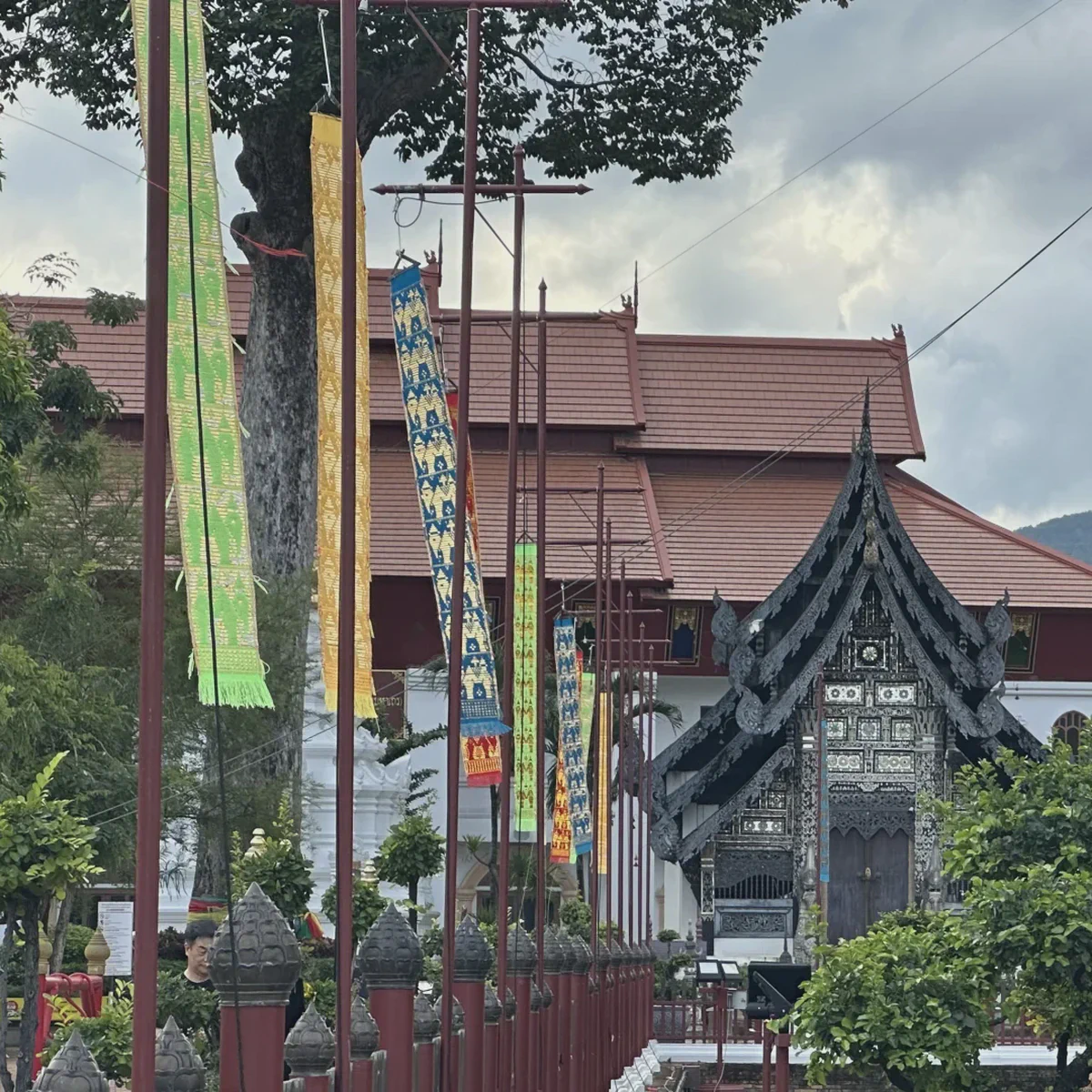
- Strategy: Choose one major temple, like Wat Chedi Luang for its dramatic ruined stupa. Don’t try to explain the full history. Instead, make it a visual task: “Can you find the elephant statues?” or “How many snake heads can you count on the staircase?”
- Logistics: Go early enough to reduce heat, cover shoulders and knees, and practice taking shoes on and off. Leave as attention fades; a short successful visit is better than extending it to match an adult guidebook time.
Hands-On Making and Learning
A class can be a fantastic, contained experience.
- Cooking: Many schools offer family-friendly classes. Before booking, confirm the minimum age, how they handle tasks involving knives and heat, and whether children get their own cooking station or just assist an adult. Be explicit about any food allergies.
- Crafts: Look for workshops like umbrella painting, pottery, or silver-making. Check the duration, location (and transport time), and if it’s engaging for your child’s age group.
Nature, Parks, and Water
Getting out of the city center can be a great reset.
- Bua Tong “Sticky” Waterfall: A major hit with older kids and active adults. The limestone deposits create a grippy surface you can climb. Crucial: This is only for children and adults who are steady on their feet and can manage wet, uneven surfaces. It’s a day trip that requires transport. See our Sticky Waterfall guide for details.
- Doi Inthanon National Park: This offers cooler air, waterfalls, and beautiful nature trails. However, it’s a long day in the car (2+ hours each way). This is better for families who are good with road trips. See our Doi Inthanon guide for what to expect.
- Low-effort nature: A nearby green space or reservoir walk can be easier than a mountain day, but check current access, shade, toilets and transport before promising it to the family. “Near the city” does not always mean easy without a car.
Markets and Food Adventures
Markets are a feast for the senses but can be overwhelming.
- Strategy: Go for a limited window (60-90 minutes). Choose a market that fits your schedule. Give each older child a small amount of cash to buy a snack or souvenir. For younger kids, focus on the sights and smells.
- Safety: Agree on a clear, visible meeting point in case you get separated. Hold hands. For food allergies, carry a translated card explaining the allergy and have simple, backup snacks.
Ethical Elephant Encounters
Many families want to see elephants, and it’s vital to do it responsibly.
- The Ethical Line: Do not visit any facility that offers elephant riding, circus-style performances, forced bathing with tourists, or guarantees you can hug or touch an elephant on demand. True sanctuaries prioritize the animals’ welfare and autonomy.
- Decision Making: Use our detailed guide to choosing an ethical elephant sanctuary in Chiang Mai. It provides the questions you need to ask to make an informed choice. This is a full-day activity that must be booked in advance.
Indoor and Poor Air Quality Day Plans
Sometimes the weather—whether heat, rain, or smoke—forces you indoors.
- The smoke overlay: During the late dry period, air quality can be poor and timing varies. Check current PM2.5. On bad days, limit outdoor exertion and use an indoor substitute.
- Indoor options: A current mall, cinema, quiet meal or hotel recovery block can rescue a poor-air or stormy day. Verify opening hours and any children’s facility directly; indoor play centers change. A hotel pool is useful only when it is open, supervised appropriately and outdoor air or lightning conditions are acceptable.
Family Transport and Practical Realities
- Getting Around: Pavements in Chiang Mai are often uneven, broken, or blocked, making strollers difficult. A lightweight carrier is often more practical for infants and toddlers. For longer distances, see our guide to getting around Chiang Mai.
- Vehicle Choice: Grabbing a songthaew (red truck) or tuk-tuk is a fun experience, but their open nature might not feel secure for all families. For day trips outside the city, hiring a private car and driver for the day is often the most comfortable and efficient option, especially if you need to request a child seat in advance.
- Essential Kit: Always carry water, snacks, a basic first-aid kit, sunscreen, hats, and a change of clothes for younger children. Have your hotel address saved offline on your phone.
How to build one good family day
Do not turn this into a rigid multi-day itinerary. Use four movable blocks instead:
- Morning anchor: Pick one temple, workshop, nature stop or other main activity. Start early enough for the season and the child’s sleep pattern.
- Nearby lunch: Choose a place or simple backup in the same area; crossing town hungry is avoidable friction.
- Recovery: Return to the hotel or another genuinely cool, quiet place. Nap, read, swim when conditions allow or do nothing planned.
- Short evening: Eat near the base or visit one market for a limited window. Set the exit time before everyone is tired.
The blocks can shrink. A toddler’s morning anchor may be forty minutes; a teen’s workshop may occupy most of the day. What matters is that the plan contains an exit and does not treat recovery as spare time to fill.
Choose by friction, not by category
Two activities both labeled “family-friendly” can create opposite days. Compare them on the same practical questions:
| Question | Why it changes the choice |
|---|---|
| How long is the longest uninterrupted drive? | A three-hour scenic route is still three hours in a seat |
| Can one adult leave early with one child? | A flexible exit can save the rest of the group’s activity |
| Where are food, water and toilets? | “Included lunch” may arrive later than a young child can manage |
| What surfaces and steps are unavoidable? | A stroller reaching the gate does not make a temple, trail or waterfall stroller-ready |
| What happens in rain or poor PM2.5? | A credible replacement is more useful than a vague “weather permitting” promise |
| Is animal contact controlled by the animal or by the show? | Guaranteed touching, bathing or performance is a welfare warning, not a family benefit |
Use this matrix before paying for a day tour. A shorter activity with a reliable toilet and independent return can be more valuable than a famous full-day package.
Heat, rain and smoke change the child before the schedule
Children may become quiet, irritable or tired before an adult recognizes the heat load. Carry water, hats and a change of clothes, protect the middle of the day and use the caregiver’s medical advice for any child with respiratory or heat vulnerability. Do not wait for every member of the group to agree they are exhausted.
Rain changes surfaces, not only photographs. Temple tiles, waterfall limestone, roots and steps can become slippery; thunder also changes whether a pool or exposed viewpoint is sensible. Keep electronics, documents and a dry layer protected, and have one indoor replacement that does not require another long ride.
Smoke needs a current PM2.5 check close to travel and again on the day. Poor readings are a reason to reduce outdoor exertion or change the date/region for a vulnerable child, not merely to swap a morning hike for an afternoon one. The Chiang Mai weather guide explains the seasonal decision without pretending that smoke follows a fixed calendar.
Food, allergies and the emergency snack
A market can be a good family dinner because everyone chooses a small item, but it is a poor place to improvise a severe-allergy conversation in a moving queue. Carry a clearly translated allergy card, name the ingredient and cross-contact concern, and be prepared to leave when the vendor cannot confirm. “No spicy” does not mean free of fish sauce, shrimp paste, peanuts or another allergen.
Keep a familiar snack and water available even on tours that include food. Ask when the meal is served, whether the child portion differs and whether outside food is permitted. This is not overplanning; it prevents a late lunch from becoming the event the family remembers.
What to Cut First When You’re Overwhelmed
If your 3-day itinerary feels too packed, be ruthless about cutting things.
- The Chiang Rai day trip: Cut it when a very long return road day adds more fatigue than the destination adds value.
- Consecutive Long Mountain Days: Don’t do Doi Inthanon one day and an elephant sanctuary the next.
- Late Nights After Early Mornings: You can’t have both.
- Too many temples: One can be a story; three can become repeated shoes, stairs and warnings.
- Unvetted animal contact: If riding, tricks, forced bathing or guaranteed touching is the product, skip it and return to the elephant-welfare questions above.
The practical family verdict is simple: choose one morning everyone can enter, leave and recover from. Book the right neighborhood and vehicle before chasing extra attractions. A short market dinner near the hotel after a successful morning is not a wasted evening; it is the rhythm that makes the next day possible.
Research notes
Official planning references
We use these primary references for the time-sensitive details relevant to this guide. Rules, prices and operating hours can change, so confirm the live information before you travel.
- Tourism Authority of Thailand — Chiang Mai destination
Details to check: Official destination and activity context; checked 2026-08-28.
- Thai Meteorological Department — climate charts
Details to check: Heat and rain planning framework; checked 2026-08-28.
- Environmental and Pollution Control Office 1 — Chiang Mai PM2.5 measures
Details to check: Smoke-season management and need for current air-quality checks; checked 2026-08-28.
Guide reviewed 30 August 2026. Confirm live rules, prices and operating details with the linked authority before travel.