


Chiang Mai
Plan Chiang Mai by trip length, neighborhood, transport, temples, food and day-trip effort, with clear links to each detailed guide and next decision.
Start with the four decisions that shape the trip

- Use the three-day route to set a realistic pace.
- Compare neighborhoods before booking a hotel.
- Read getting around Chiang Mai before relying on red trucks, ride-hailing or a scooter.
- Use the things-to-do guide to choose experiences that fit the route instead of collecting a long wish list.
These choices affect one another. A Nimman hotel makes café time easy but adds rides to the Old City. A mountain day needs an early start and should not sit beside another long road excursion. If you settle the base and the one big day first, the rest of the trip becomes much easier to edit.
How many days do you need?
Three full days are enough for a focused first trip: one Old City day, one Doi Suthep morning with a lighter western-side afternoon, and one chosen excursion or city-and-craft day. “Full” matters. A late arrival and early departure reduce a three-night stay to roughly two usable days.
Four or five days feel better if you want both Doi Inthanon and unhurried city time. The extra day is not permission to add another early tour; use it for a cooking class, craft area, familiar café, pool or rain fallback. Chiang Mai’s appeal sits partly in repetition and recovery.
Two days can still work. Keep the Old City to one morning, visit Doi Suthep by road and use the remaining time for food and one neighborhood. Skip Chiang Rai and any day trip whose road hours consume the majority of your stay.
A week suits remote workers, slow travelers and people using Chiang Mai as a northern base. Change accommodation only when the second neighborhood genuinely supports a different phase of the trip. Moving between the Old City and Nimman often costs more attention than simply taking a short ride.
Choose the trip by season and current conditions
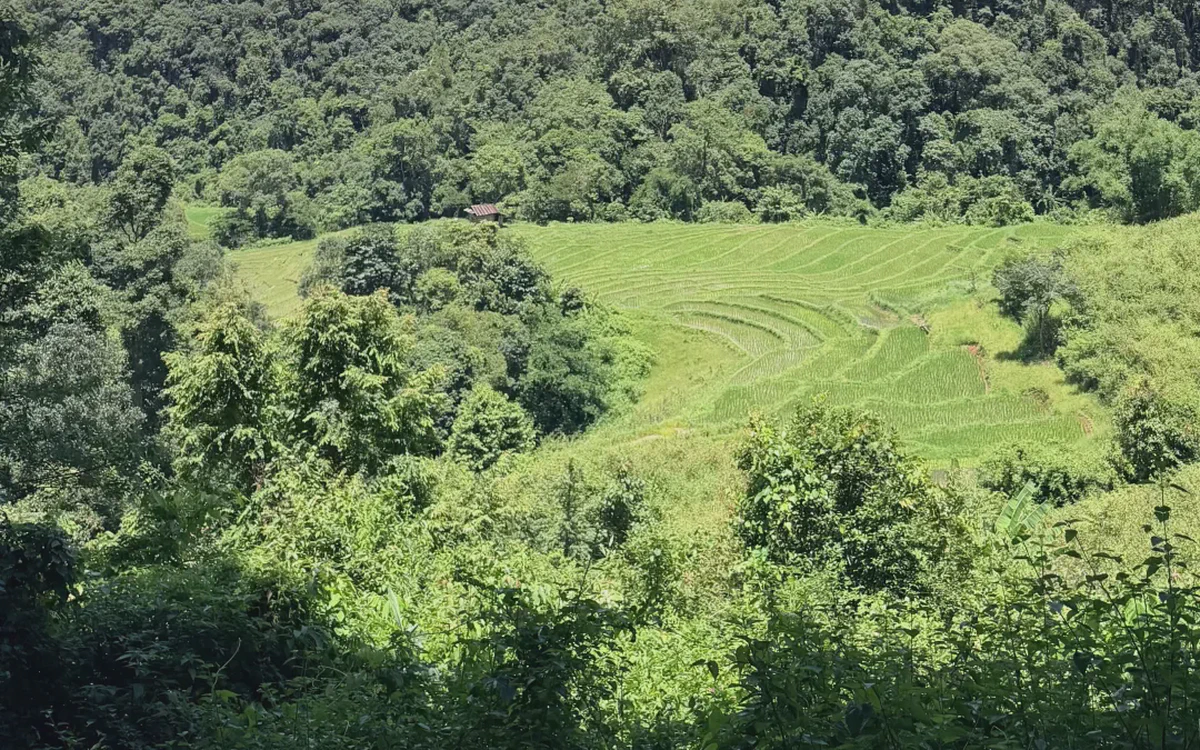
The cooler dry-season months are popular because morning walks and mountain days are more comfortable, but demand and prices rise. Hotter periods require earlier outdoor plans and longer midday retreat. The rainy season can bring green landscapes and forceful waterfalls alongside slippery paths, delayed pickups and sudden changes to an outdoor afternoon.
Use the month-by-month Chiang Mai weather guide to compare rain, heat, smoke uncertainty, mountain conditions and the replacement plan each season requires.
Northern air quality can deteriorate during the late dry season, and timing varies from year to year. Check a current air-quality source close to travel rather than relying on a fixed “smoke season” date. When conditions are poor, reduce strenuous outdoor time, choose a well-sealed indoor base and be willing to change the mountain or walking plan.
Weather in the city does not describe the summit. Doi Inthanon can be cold, wet or misty while Chiang Mai is hot; Doi Suthep views can disappear in haze or cloud. Pack a light layer and rain protection, but choose attractions that remain worthwhile without a guaranteed panorama.
Choose an itinerary or day trip
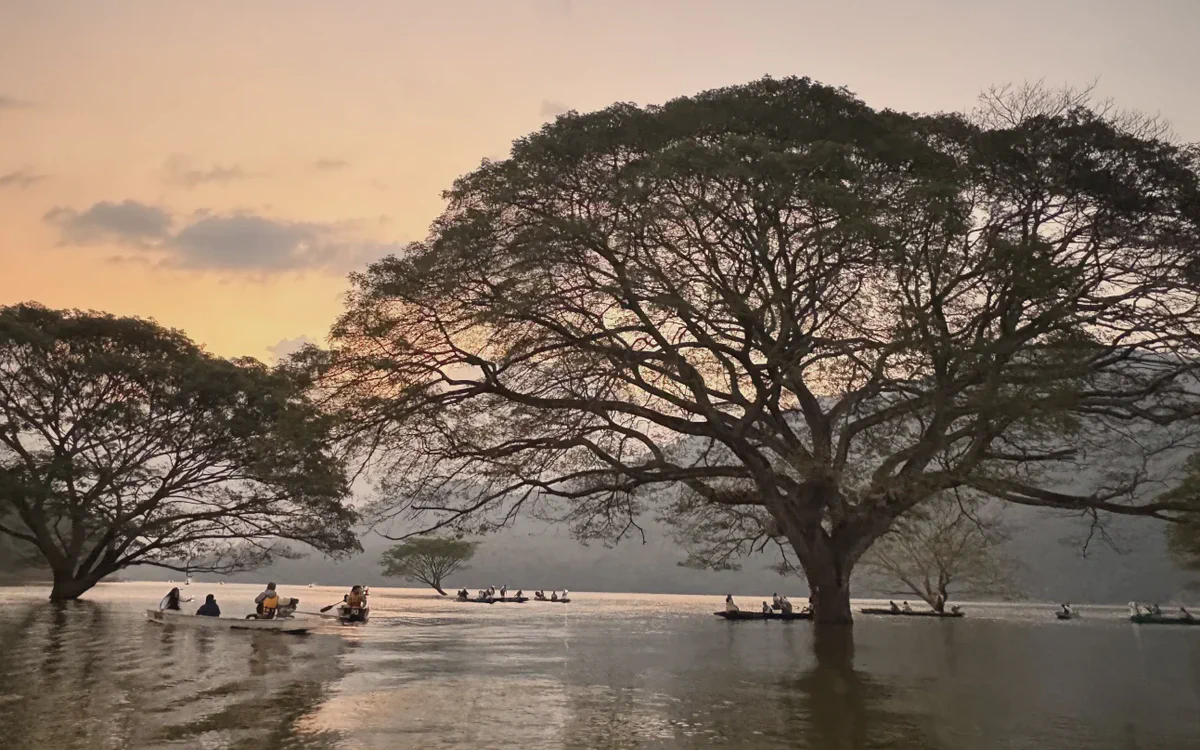
Best Things to Do in Chiang Mai
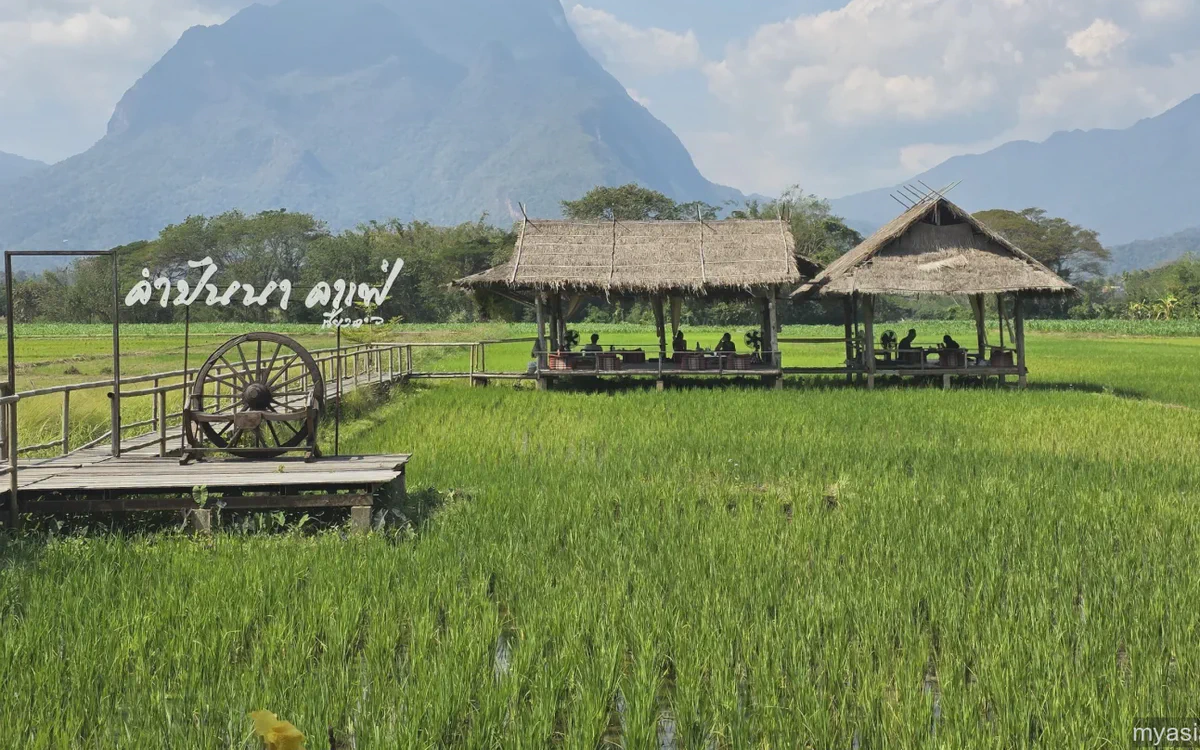
Best Day Trips from Chiang Mai
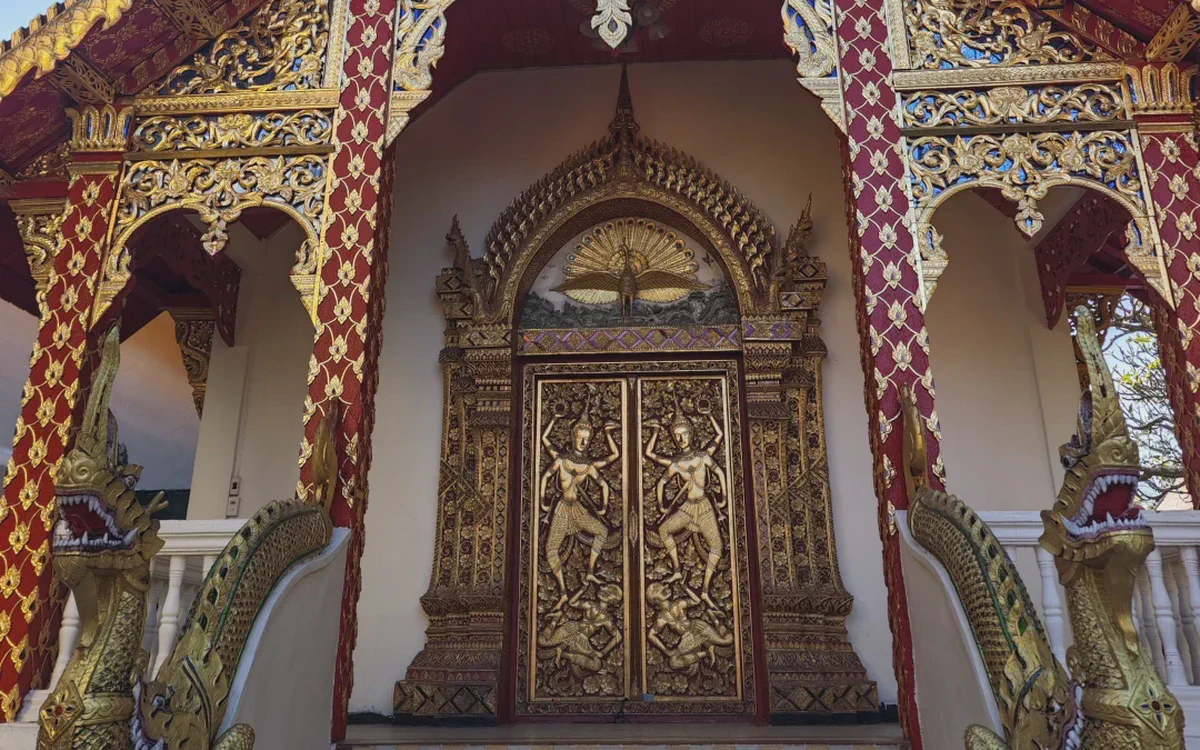
Chiang Mai Temples: A Realistic First-Time Route
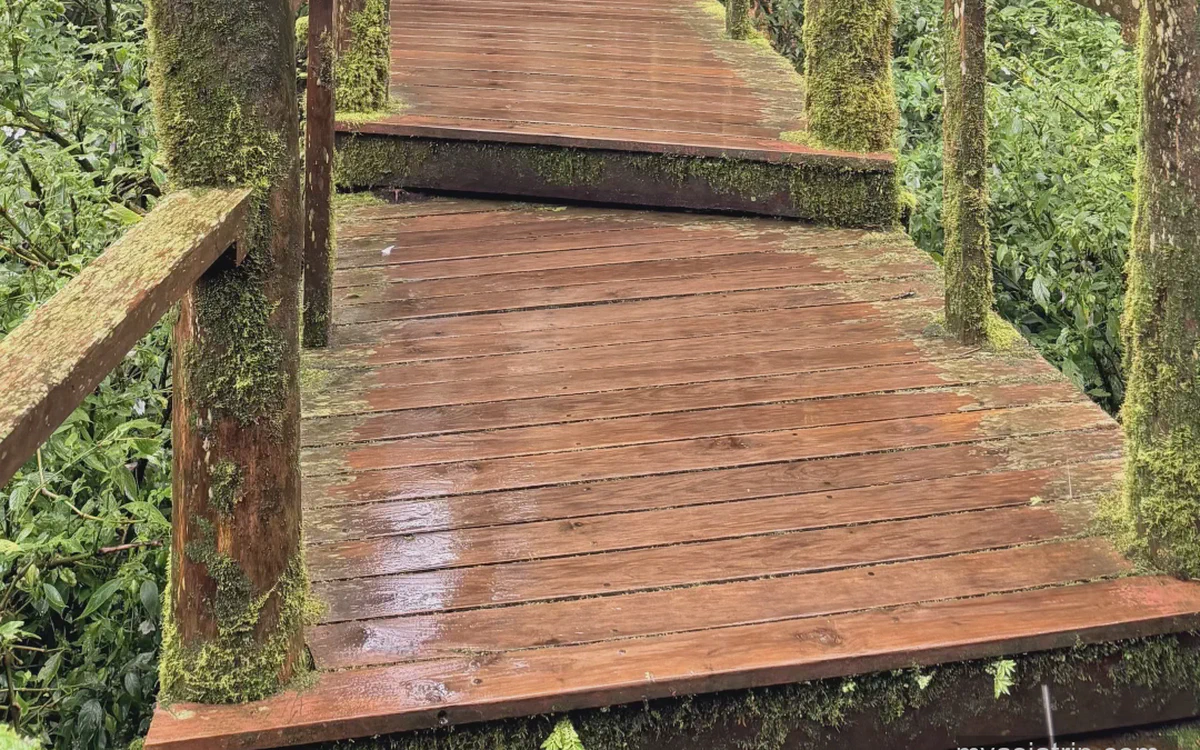
Chiang Mai with Kids: Things to Do Without Exhausting the Family

Chiang Mai Markets: Choose by Day, Time and Crowd Level

Doi Inthanon Day Trip from Chiang Mai: Route, Weather and Trade-Offs

Sticky Waterfall Chiang Mai Day Trip
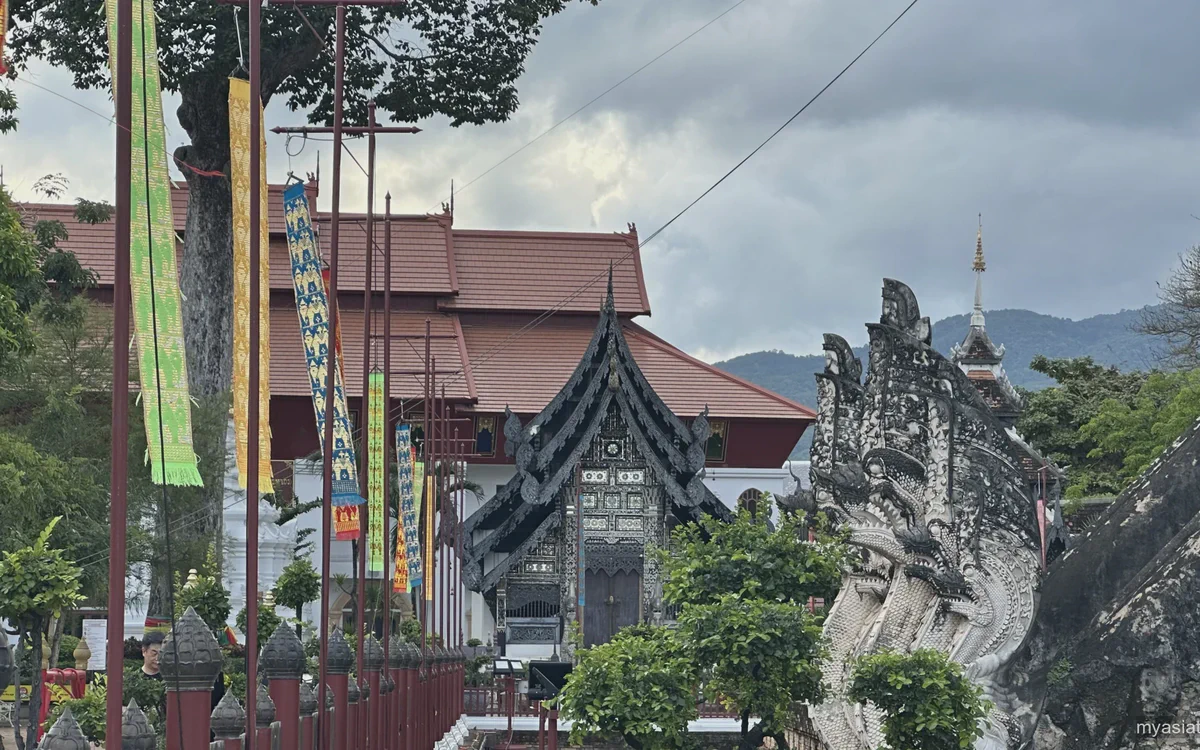
3-Day Chiang Mai Itinerary

Ethical Elephant Sanctuaries in Chiang Mai
The 3-day itinerary is the current city route for a first visit. It combines the Old City, Doi Suthep and one deliberately chosen excursion rather than treating every day as a dawn-to-night checklist.
Use the Chiang Mai day-trips comparison before choosing among the mountain, waterfall and longer intercity options. The detailed guides cover:
- Doi Inthanon as a day trip for a longer mountain day with cooler conditions and more road time.
- Bua Tong Sticky Waterfall for a more physical outing where return transport matters.
- Chiang Mai to Chiang Rai transport when you are deciding between a long day tour and an overnight stay.
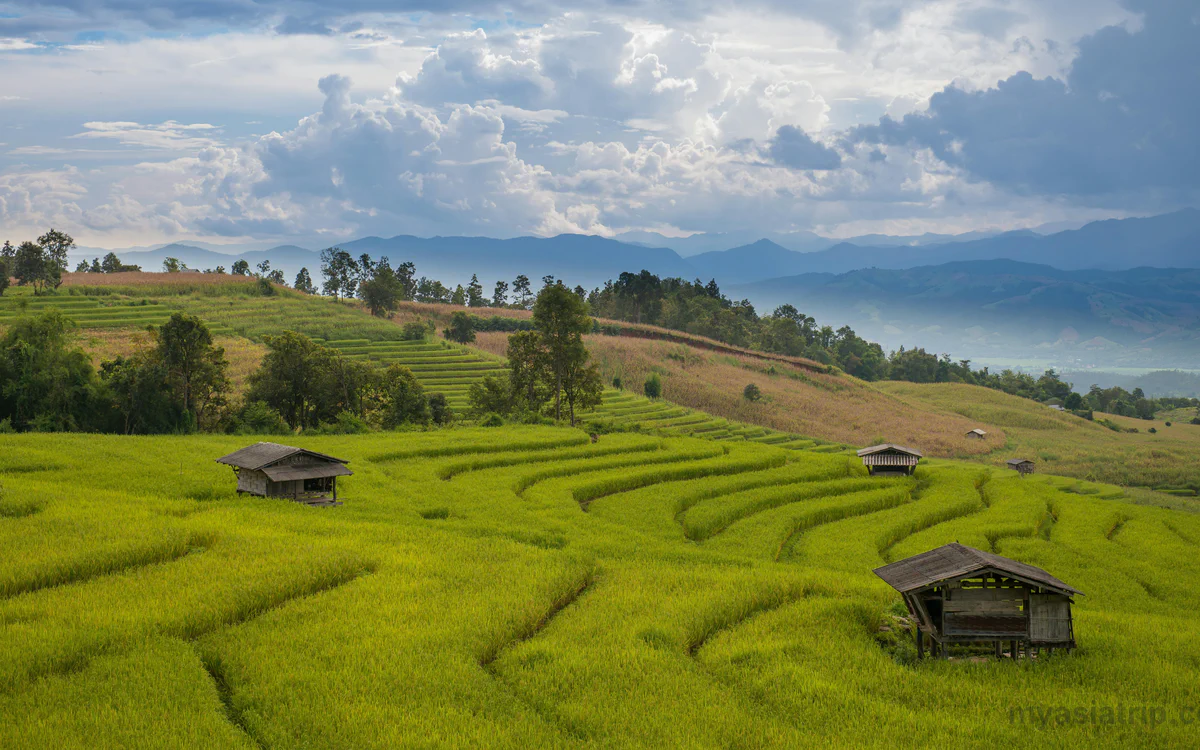
- Chiang Mai to Pai transport when curves, motion sickness, luggage and the return connection matter more than the headline seat price.
- Elephant sanctuary choices when animal welfare standards matter more than a convenient package label.
On a short trip, select one major day out. Doi Inthanon is the full landscape day; Bua Tong is the active, wet half-day; Doi Suthep is the efficient mountain morning. Chiang Rai is possible as a return tour, but the long road makes an overnight more humane when the city itself matters.
Judge tours by road time, stop duration and return—not the length of the attraction list. Ask which trail, tickets and local guides are included. A private driver buys control and recovery stops; a group tour buys convenience and a fixed rhythm. Neither is inherently better without the needs of your group.
Families should confirm child restraints, toilets and consecutive driving time. Travelers with limited mobility need exact surfaces and steps at each site. Motion-sensitive passengers should treat mountain roads as part of the day’s physical cost.
The Chiang Mai with kids guide narrows activities by age, exit options, heat, rain and animal welfare without turning the trip into a rigid family itinerary.
Temples, the Old City and Doi Suthep
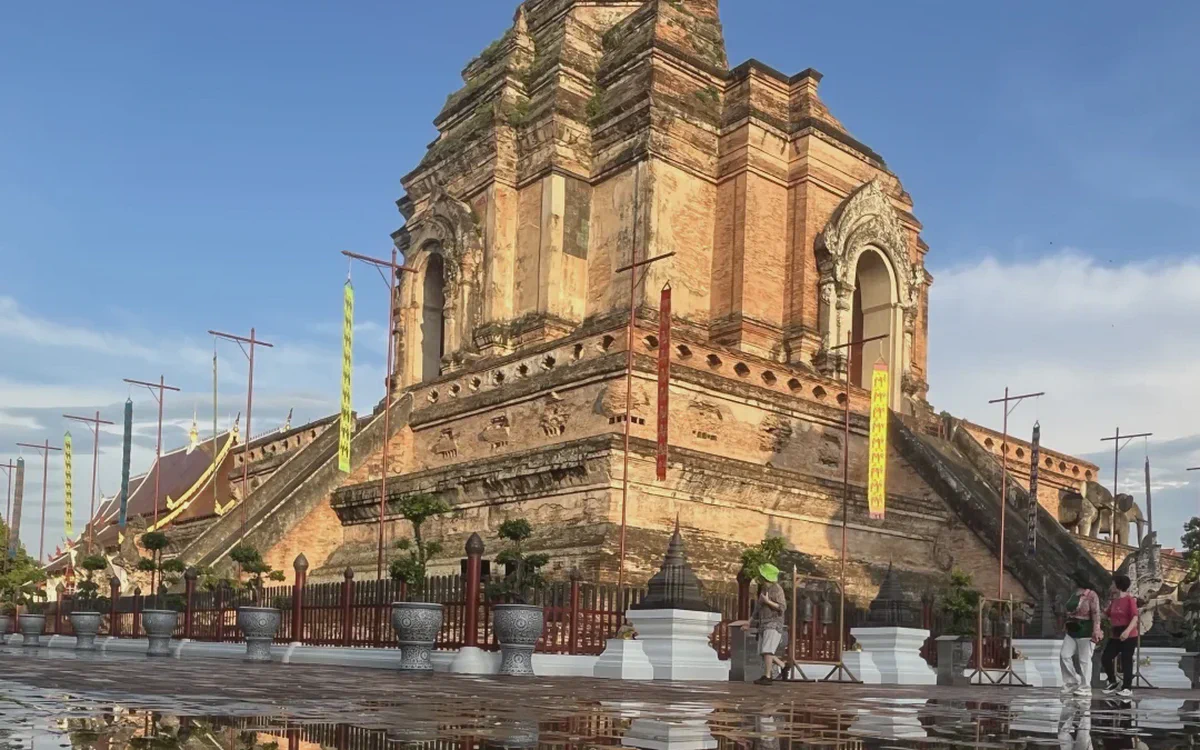
Wat Chedi Luang Chiang Mai: Visit Guide and Old City Context
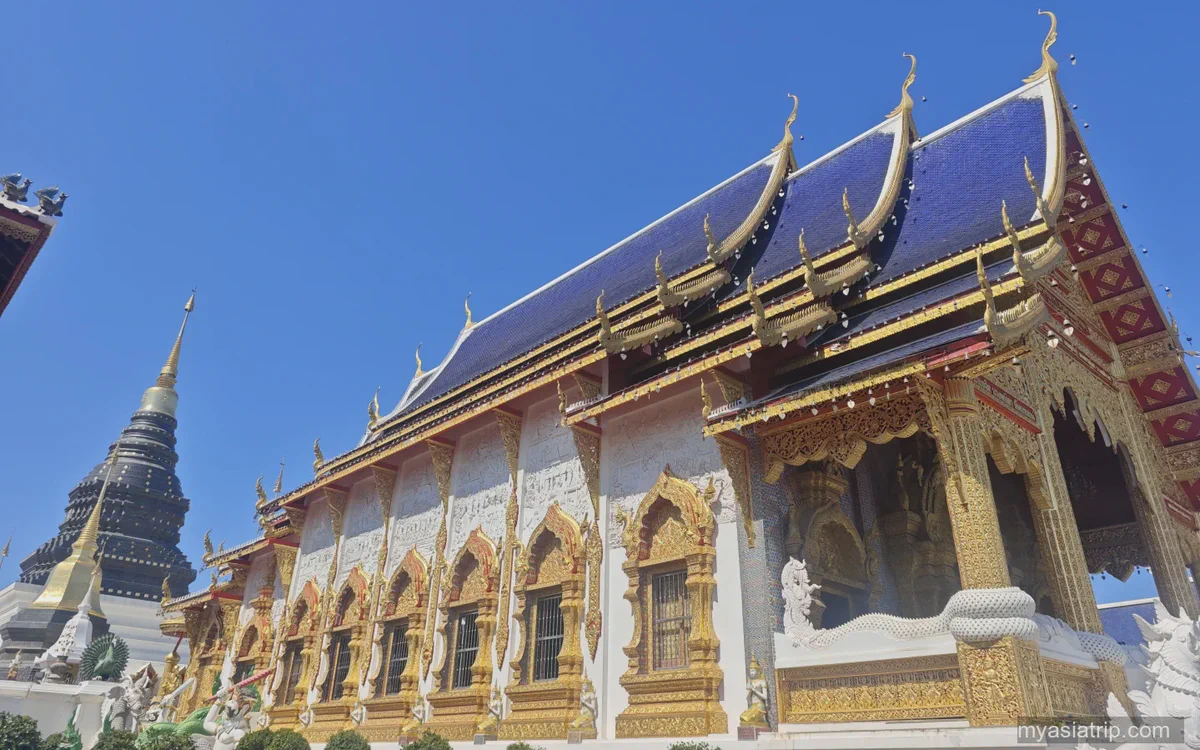
Wat Phra Singh Chiang Mai: A Respectful Visit Guide

Wat Phra That Doi Suthep Guide from Chiang Mai
Start with the Chiang Mai temples guide when you need to narrow the list. It separates the walkable Old City temples from Doi Suthep, which has its own transport and timing problem.
Use the Old City guide for a heat-aware walking plan, and the Doi Suthep guide for the mountain visit. Keeping those jobs separate prevents a temple morning from turning into an exhausting cross-city and uphill sequence.
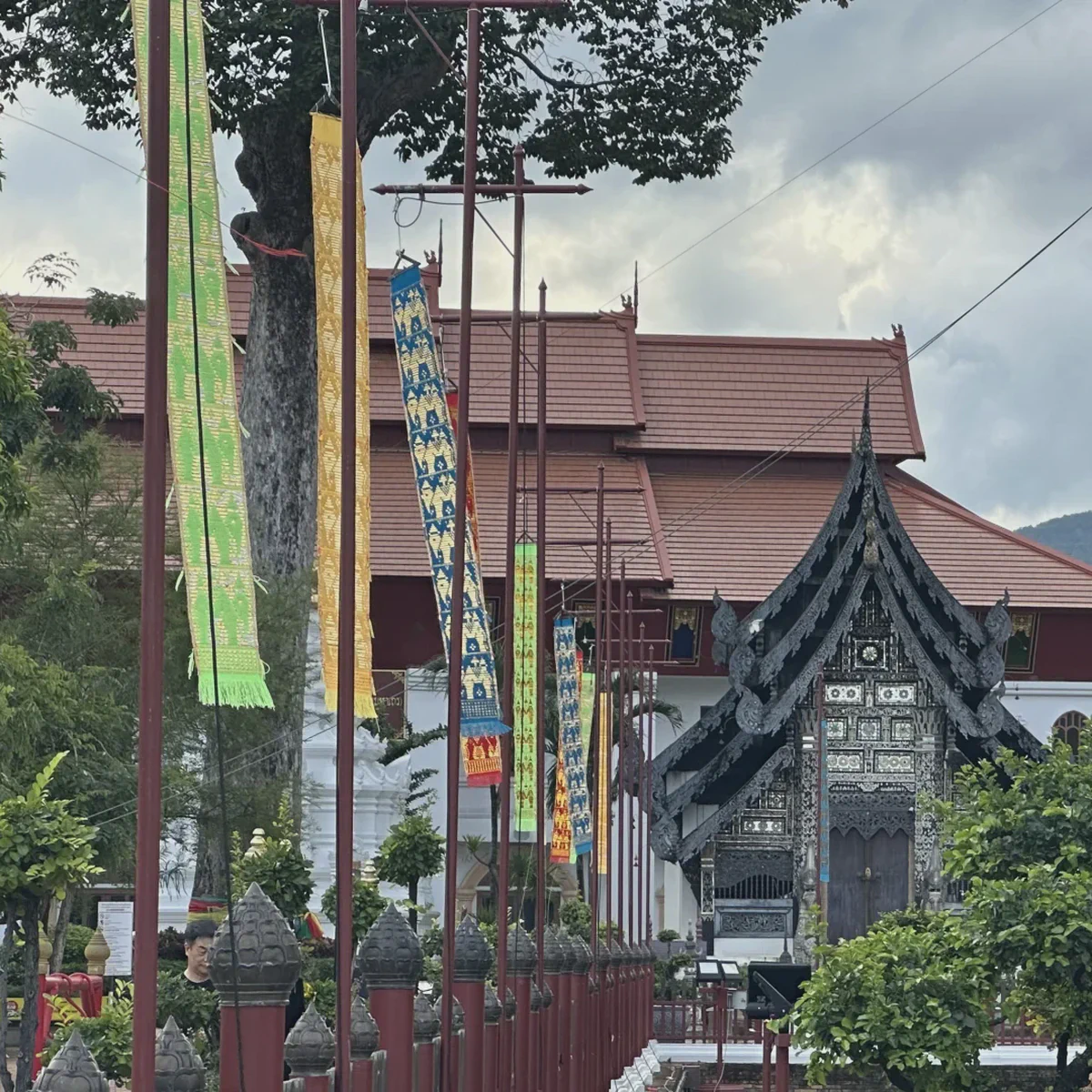
For a first Old City morning, Wat Chedi Luang and one contrasting stop are enough. Choose Wat Phra Singh instead when living-monastery atmosphere and Lanna religious art matter more than monumental ruined scale. Cover shoulders and knees, remove shoes where requested and leave room for active worship. A shorter visit with attention is better than six compounds crossed in the heat.
At Doi Suthep, choose road transport to the upper temple or the Monk’s Trail to Wat Pha Lat according to your true priority. Most visitors should not improvise the full climb between them. Arrange the downhill journey before the phone battery and energy fade.
Arrival and getting around
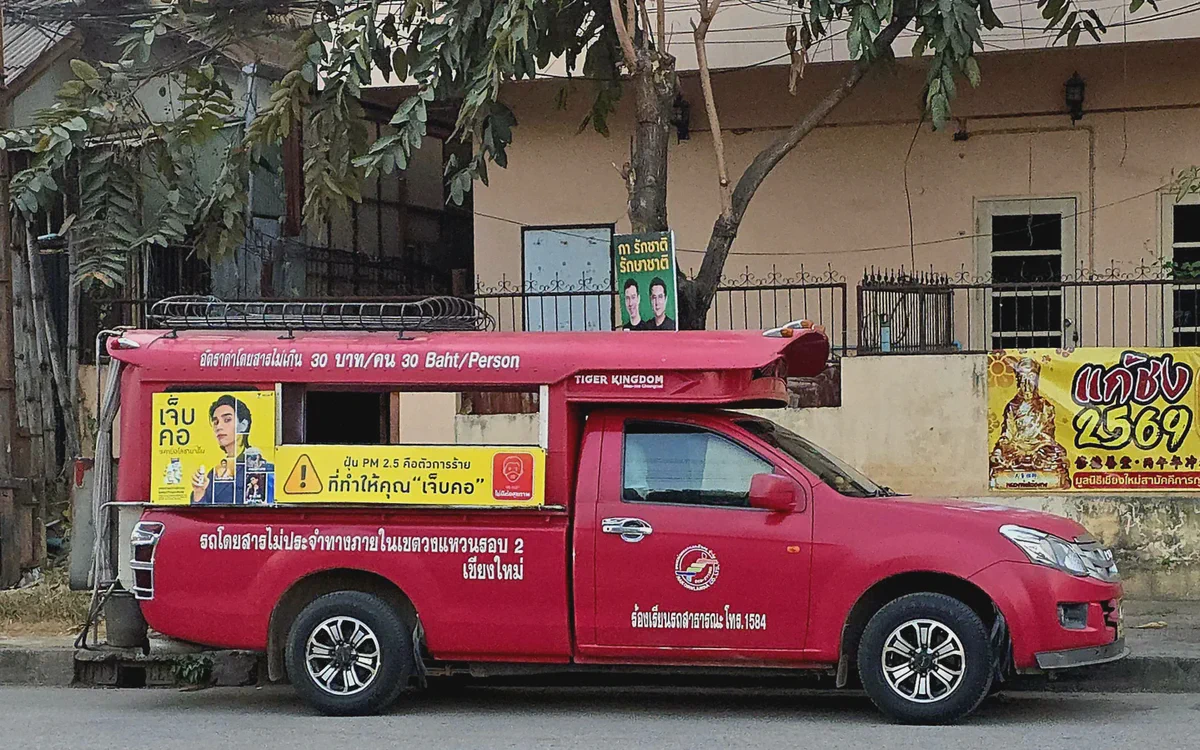
Getting Around Chiang Mai

Chiang Mai Airport to City: CNX Transport and Arrival Guide
Chiang Mai to Pai: Minivan, Private Transfer or Self-Drive
Chiang Mai to Chiang Rai Transport
Chiang Mai International Airport is close to central neighborhoods, but luggage, traffic and pickup rules still matter. Choose the airport bus only when a current stop fits the hotel and you can manage the final walk. A taxi or ride-hailing car is often the kinder choice after a long flight.
The CNX airport-to-city guide compares the official taxi, designated Grab pickup, RTC bus and airport shuttles by luggage, route direction and the final walk to each neighborhood.
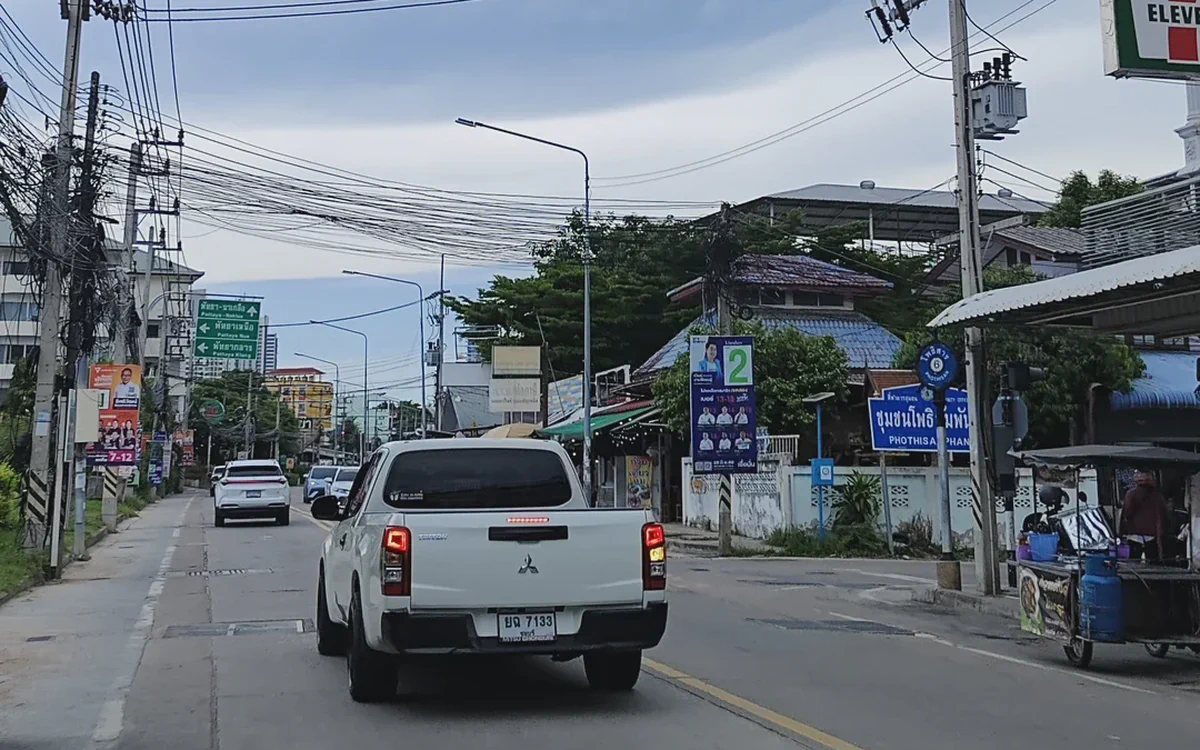
Inside town, walk neighborhood-sized loops and ride between districts. The Old City and Nimman are not one continuous pleasant walk in midday heat. Red songthaews, tuk-tuks, Grab and Bolt solve different short trips; agree fares or verify payment before starting.
For rural trips, secure the complete return. A driver accepting the outbound ride to a waterfall does not guarantee another vehicle will be available later. Keep small cash, mobile data, an offline hotel address and a charged battery.
Food, markets, cafés and cooking classes
Northern Thai Food in Chiang Mai: What to Eat and How to Order

Chiang Mai Nightlife Guide
Chiang Mai Cooking Classes: Compare Schools, Menus & Pickup
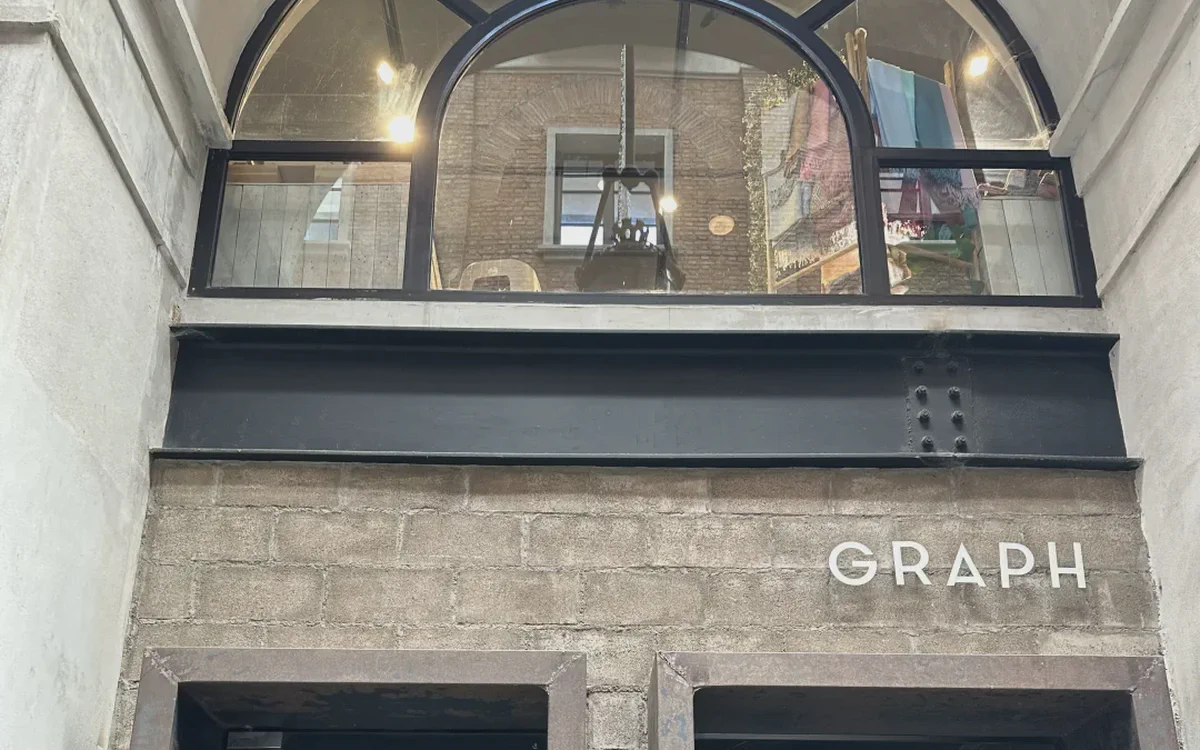
Best Cafes in Chiang Mai: Choose by Area and Purpose

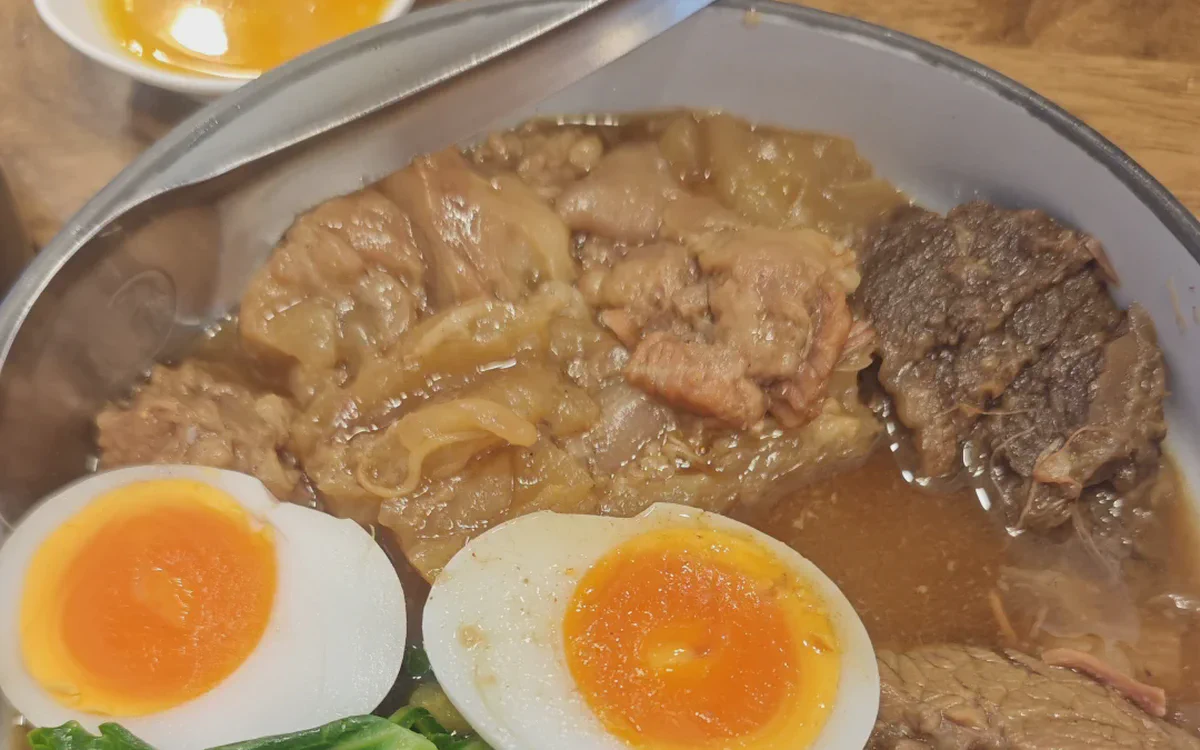
The Northern Thai food guide should be the starting point for dishes and ordering context. Then choose the format that suits the day:
- Chiang Mai markets for day-of-week and evening choices.
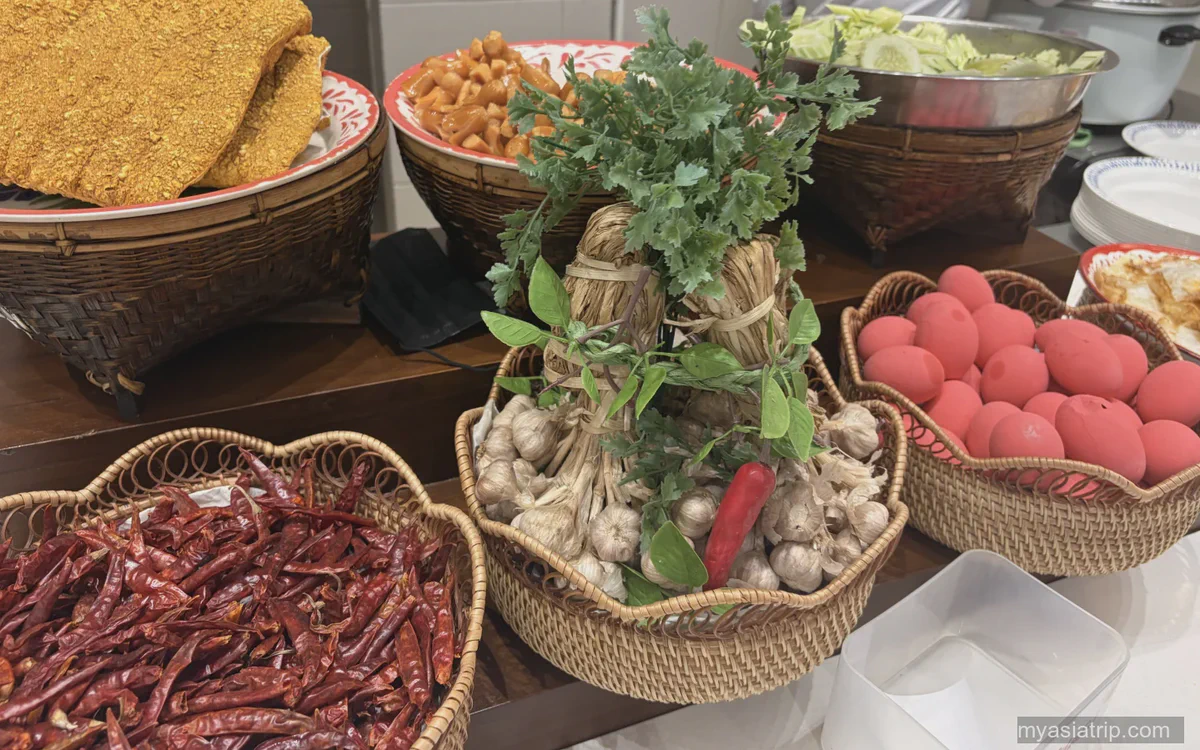
- Chiang Mai cooking classes for class format, pickup and dietary questions.
- Chiang Mai cafés for an area-based break rather than a citywide chase for individual venues.
Food stops work best when they sit near the end of the day’s route. Crossing town for one famous bowl or café is rarely worth another transfer when everyone is already tired.
Eat khao soi as a meal, not a box to tick between two others, and compare northern dishes across different settings. Market stalls reward small cash and flexibility; serious allergies require more than pointing or assuming a vegetable dish is free of fish sauce or shrimp paste.
Weekend markets have distinct timing. Jing Jai is strongest in the morning, Sunday Walking Street changes Old City access, and Wualai belongs to Saturday evening. Visit the one that matches your weekday and crowd tolerance. The Night Bazaar is a convenient ordinary-evening fallback rather than a compulsory sight.
A cooking class should teach something you want to repeat. Check class size, market-visit purpose, dietary handling, pickup and whether each participant cooks independently. Keep the evening easy after a long class instead of stacking another market across town.
Choose a base for days and evenings

Chiang Mai Old City Guide
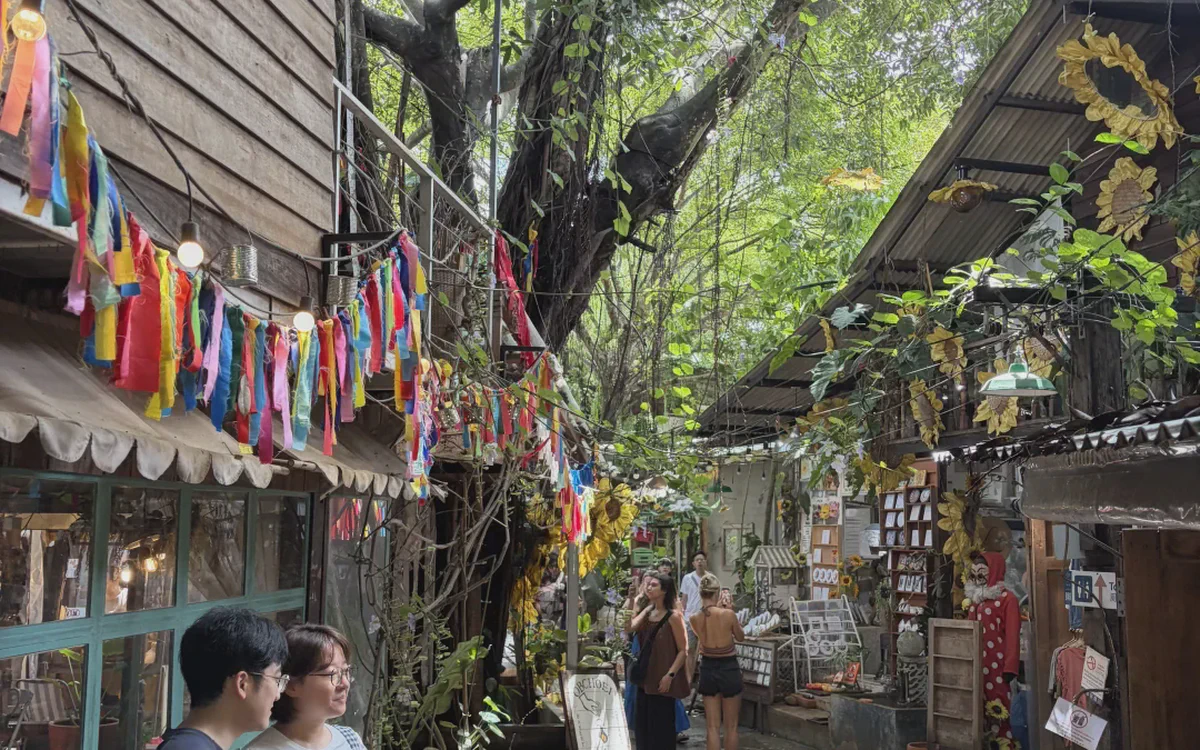
Nimman Chiang Mai Guide: Cafes, Nightlife and Where It Fits
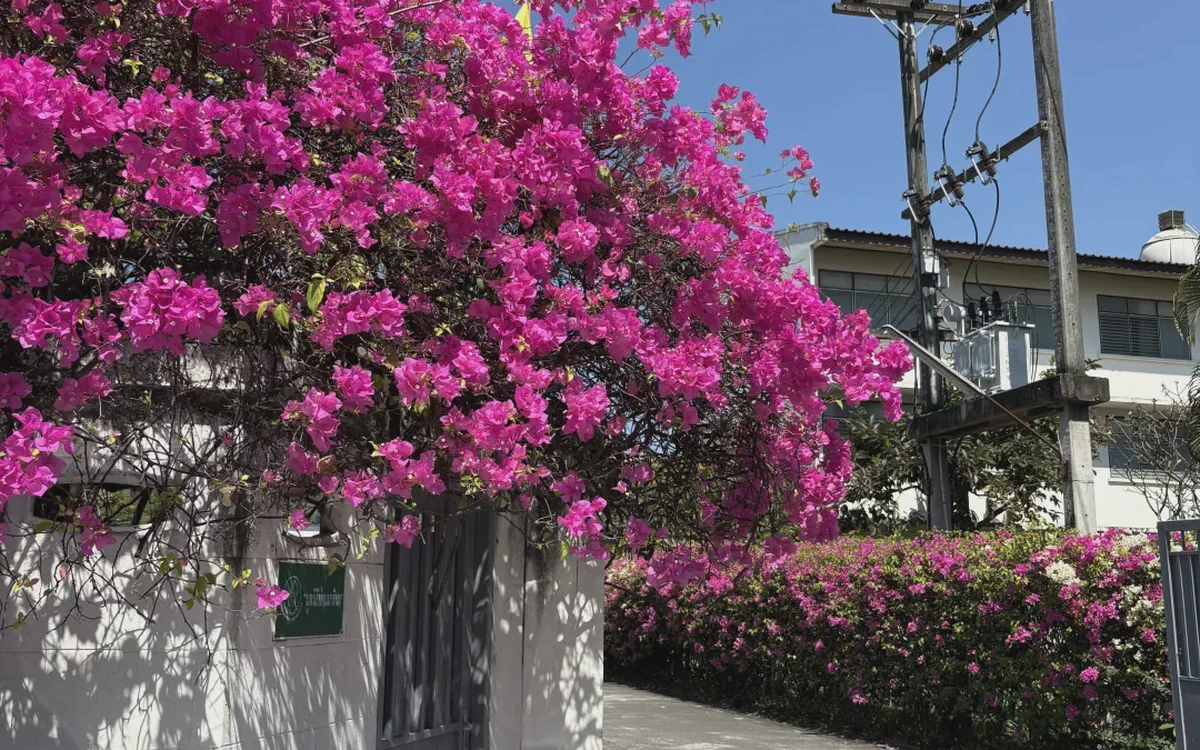
Where to Stay in Chiang Mai: Best Areas for Your Trip
The where-to-stay guide compares the Old City, Tha Phae, Nimman, the Night Bazaar, the riverside and Santitham against the same practical criteria.
Use the Nimman guide for cafés and nightlife, or the Old City guide to plan a walk between historic temples. Choose between them by the mornings and evenings you will repeat, not by which area appears most often in hotel search results.
The Old City is the easiest first base for temple mornings and Sunday Walking Street. Nimman is better for cafés, contemporary dining and repeated evening choice, with possible aircraft and road noise. Tha Phae, the Night Bazaar and riverside serve travelers who want eastern evening access; Santitham can offer stronger value with fewer classic sights immediately outside.
Check the exact building and room. A quiet lane can outperform a famous neighborhood, while a room above a bar can erase the convenience. Search recent reviews for construction, aircraft, motorcycles and nightlife, then ask whether a quieter room is guaranteed or merely requested.
Evenings and nightlife
Use the Chiang Mai nightlife guide to compare evening areas and the journey home. A busy late-night block is a poor fit when you need an early mountain pickup; on quieter nights, a market or riverside dinner may be the better use of your remaining energy.
Choose one evening area and stay there. Nimman supports dinner, massage and drinks within a small radius; the Old City offers low-key bars and market nights; the riverside works for a deliberate meal or music plan. Crossing between all three adds waits and late negotiation without improving the night.
Keep enough cash and battery for the return, verify the vehicle and use a visible pickup point. After a long day trip, dinner near the hotel is often the most realistic evening Chiang Mai can offer.
Build the budget from the expensive days
Use the Chiang Mai travel-cost guide to price the actual room occupancy, daily food, city rides and one-off excursion days. A couple sharing a room and a solo traveler do not have the same accommodation arithmetic, while a family needs the exact room and child policy before any daily average means much.
Keep major classes, elephant programs, mountain drivers and intercity transfers outside the base city-day number until their current inclusions are known. This prevents a low headline budget from hiding the two days that actually determine the trip total.
What to book first
Book the hotel and the one major excursion first. Add a high-priority cooking class or private mountain driver if availability is limited. Confirm cancellation terms, actual stop durations, park or guide fees and the complete return.
Leave ordinary meals, cafés, massages with several acceptable alternatives and minor temples flexible. Current weather, air quality and energy will make those decisions better on the day. Recheck market hours, trail status and transport close to travel rather than treating an old saved post as live evidence.
For a first trip, the simplest sequence is: settle the base, choose three usable days, reserve one big outing, and group everything else by neighborhood. That produces fewer transfers, more comfortable meals and enough space for Chiang Mai to feel slower than the itinerary that brought you there.