
Best Places to Visit in Thailand: Where to Go by Trip Style
Choose where to go in Thailand by trip length, season and travel style, with honest trade-offs for Bangkok, Chiang Mai, beaches, ruins and national parks.


Thailand is easier to enjoy when you choose a rhythm before you choose a landmark. For a first trip, I would usually pair Bangkok with Chiang Mai, then add one southern base only when you have at least 10 days. Bangkok brings river temples, food and a large-city reset; Chiang Mai gives you a smaller base for northern food, old-city walks and mountain days; a single coast gives you time to recover rather than another hotel change. The trade-off is simple: Thailand is long, and every extra region costs a travel day, luggage handling and some patience. This guide helps you decide where to go, how long to stay and which places to leave for another trip.
The map below is a route-planning reference, not turn-by-turn navigation. It shows why Bangkok and Chiang Mai combine naturally, why Ayutthaya and Sukhothai belong on the northbound history spine, and why the Andaman and Gulf islands should usually be treated as separate trips. Open the full-size version before comparing the destination table.
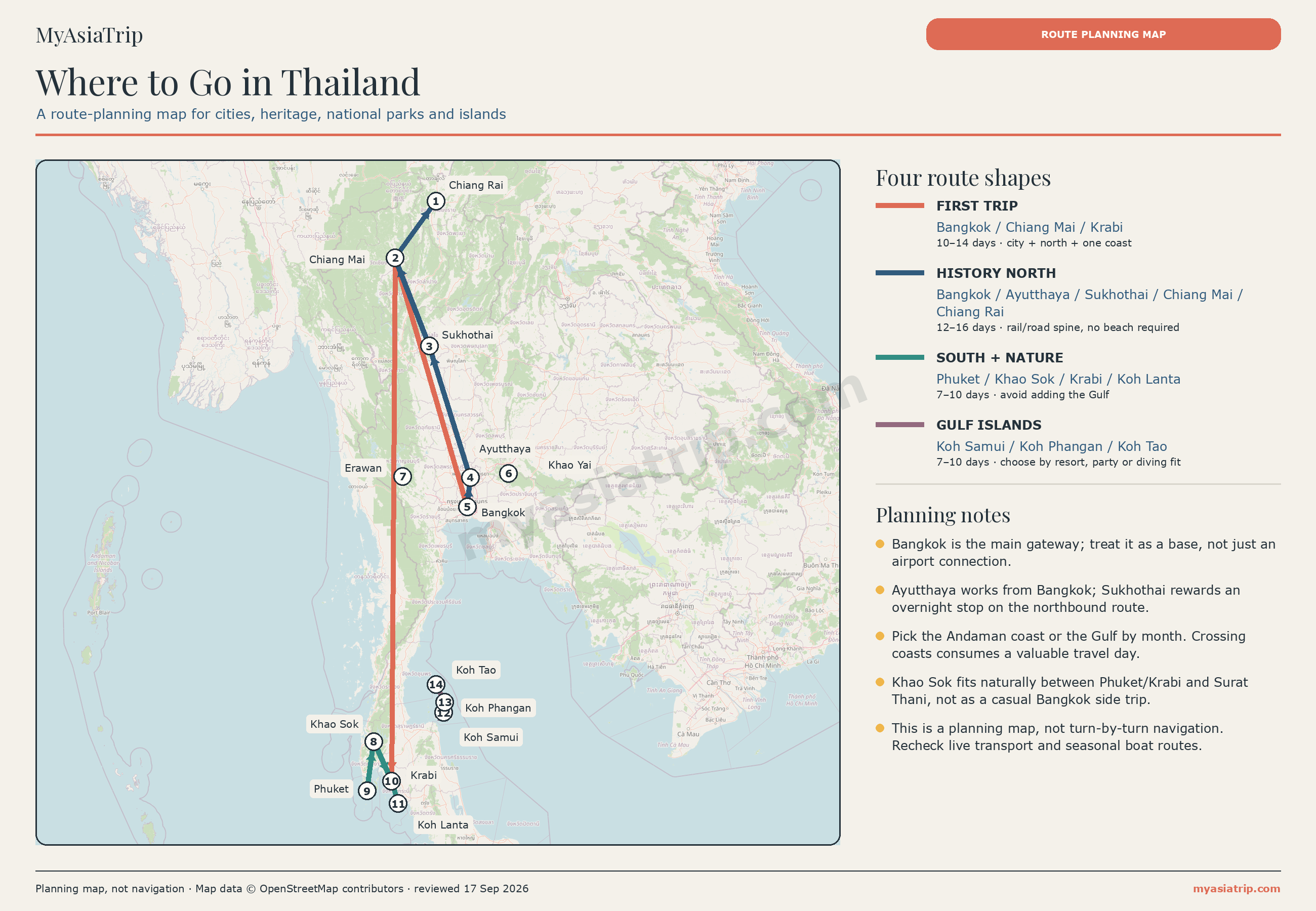
Choose a Thailand destination by the trip you actually want
| If your priority is… | Start with… | Sensible stay | Main friction or compromise |
|---|---|---|---|
| A first taste of Thai cities, temples and food | Bangkok | 3 full days | Heat, scale and traffic make cross-city plans tiring |
| Northern culture in a manageable base | Chiang Mai | 3–4 full days | Smoke can affect the north late in the dry season; mountain trips use a day |
| A convenient historic add-on | Ayutthaya | 1 day from Bangkok | Exposed ruins, heat and the return journey make it a replacement block |
| A slower heritage stay | Sukhothai | 2 nights or more | It is not a quick side trip; reaching it takes time |
| Limestone scenery and boat-access beaches | Krabi | 3–4 nights | Boat conditions and last-mile transfers can change the day |
| More flight choice and a larger resort base | Phuket | 3–4 nights | Distances, traffic and busy beach districts can dilute a short stay |
| Comfortable island days with optional excursions | Koh Samui | 3–5 nights | Island flights and transfers shape the budget and schedule |
| Diving and a small island base | Koh Tao | 3–5 nights | The crossing is weather-sensitive and the island is hilly |
| A quieter island finish away from a party calendar | Koh Phangan or Koh Lanta | 3–5 nights | Local transport and ferry timing need more planning than a city |
| Rainforest and lake scenery | Khao Sok | 2 nights or more | It deserves a proper transfer and weather-flexible activity window |
The country’s daily travel ranges are broad. As a planning baseline, the existing Thailand travel-cost guide uses about ฿1,200–2,000 per person per day for budget-focused travel, ฿2,800–5,500 for a comfortable trip and ฿7,000 or more for premium travel, excluding international flights. Islands, peak dates, private transfers, solo rooms and marine activities can push the total higher. Treat those bands as a way to test a route, not as a promise about a hotel or meal.
Bangkok: the most useful first base for a short trip
Bangkok suits first-time visitors who want a dense introduction to Thai history, food and city life, and travelers who prefer an airport-rich gateway before moving on. It is not restful by default. The humidity, uneven pavements and traffic mean a destination that looks close on a map may take a tiring portion of the afternoon. Stay three full days if you can; an arrival day should count luggage, immigration, the airport-to-hotel transfer and a shower before you count sightseeing.
Use the Bangkok travel hub to choose an area around the journeys you will repeat. The decision is less about a fashionable district name than whether your room leaves you near a useful rail line, river pier or evening food area. For a first route, keep the historic river corridor together for one morning and afternoon, then use the Bangkok things-to-do guide for the deeper choice between temples, markets, museums and neighborhoods. Current opening patterns, dress rules and ticket details belong in the relevant operator or destination guide, not in this overview.
For food-led trips, choose the Bangkok food guide and eat near the end of each day rather than crossing the city for one dish. Put a mall or the Bangkok shopping guide into the hottest part of the afternoon when an air-conditioned pause would help. A first Bangkok day might be a half-day river-temple block, lunch and a hotel rest, followed by one nearby evening district. If the group is jet-lagged, replace the evening block with dinner near the hotel; the city will still be there tomorrow.
Bangkok is also the right place to add Ayutthaya without creating a new southern or northern base. It is a useful choice for a traveler with one spare day and an interest in ruins, but it should replace a Bangkok shopping or market half-day rather than sit on top of a full city checklist. The Ayutthaya day-trip guide covers the route and practical sequence. If a late flight follows, keep the return and airport buffer visible in the plan.

Chiang Mai: a slower northern base with a seasonal caveat
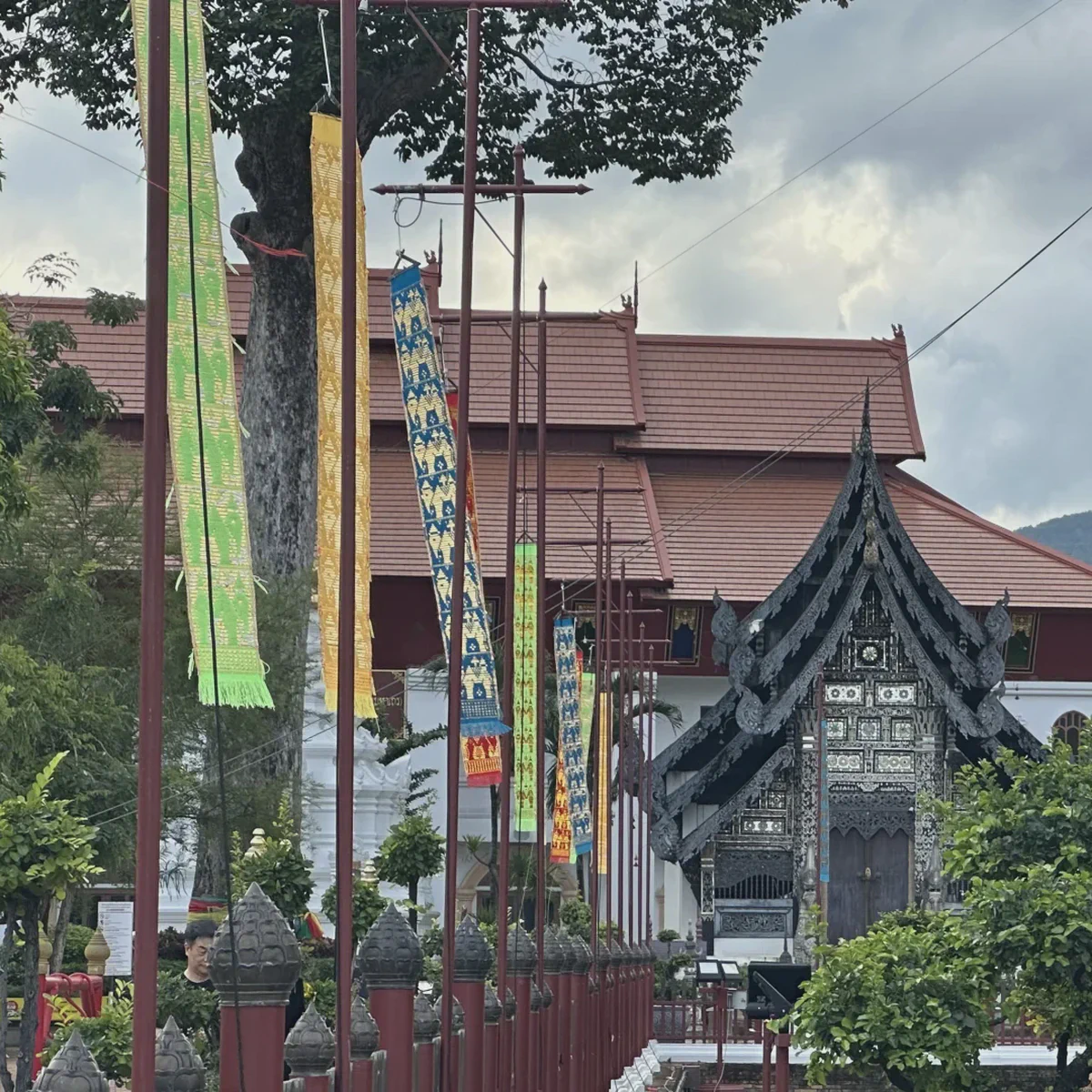
Choose Chiang Mai when you want temples, northern food, craft and mountain access from one smaller urban base. Three full days is a workable minimum: one walkable Old City day, one mountain or cultural half-day combination, and one flexible block for food, a cooking class or rest. The Chiang Mai travel hub gives the destination-level decisions; its Old City guide is the deeper route when you want to keep walking distances and shade realistic.
Chiang Mai’s strength is contrast without constant relocation. A morning can focus on one or two Old City temple anchors, with lunch and an indoor break before an evening market. The mountain trip to Wat Phra That Doi Suthep is a separate half-day decision, not a free extra between several temples. Use the Chiang Mai things-to-do guide for the activity choice, then use the Chiang Mai cooking-class guide if a market-to-table session matters more than another excursion. A full-day class or mountain day should replace the corresponding city block; stacking both makes a three-day stay feel like work.
The north also needs honest timing. November to February is often the easier period for outdoor days, but it is also a popular travel window. Smoke and reduced visibility can become a serious consideration later in the dry season, while June to October can bring rain, muddy paths and humid road journeys. The weather is a reason to keep a flexible city block, not a reason to promise a particular mountain view. If mountain air and hiking are the core purpose, check current conditions close to departure and keep a food or Old City alternative ready.
Pai and Chiang Rai can work as extensions for repeat visitors, but they are not automatic day trips from Chiang Mai. A road transfer through mountain bends, luggage and a new room all consume the time a short itinerary appears to have. Add one only when the landscape or contemporary temple experience is more important to you than another Chiang Mai day. For a first trip, I would keep the second northern base out of a seven- or 10-day route.

Ayutthaya or Sukhothai: choose the history that fits your route
Ayutthaya and Sukhothai answer different planning problems. Ayutthaya is the practical day-trip choice from Bangkok: add a full day when you want a clear historical contrast without moving your main hotel. The ruins are spread across an inhabited area, so expect cycling or short vehicle transfers, heat on exposed brick and a return journey. It works particularly well between Bangkok city days, with no early flight or long evening commitment afterward.
Sukhothai suits travelers who want the historical landscape itself to be the reason for another base. The park’s wide setting rewards an early start, a midday retreat and a second session when the light and temperature are kinder. It is a deliberate two-night addition, not a quick stop between Bangkok and Chiang Mai. If you have only one spare day, choose Ayutthaya. If quiet ruins and a slower heritage rhythm matter enough to justify the transfer and a hotel move, choose Sukhothai. There is no need to force both into one short trip.

Southern beaches: choose the coast before the island
The south is where route planning and weather collide. A beach base may look like rest, but a flight, minivan, pier, ferry and hotel check-in can consume the first day. Use the Thailand islands and beaches guide to compare the broader coast choice. There are no separate MyAsiaTrip destination pages for Phuket, Krabi, Koh Samui, Koh Tao, Koh Phangan or Koh Lanta, so this guide deliberately gives selection criteria rather than duplicating a full island itinerary.
Krabi and Phuket on the Andaman side
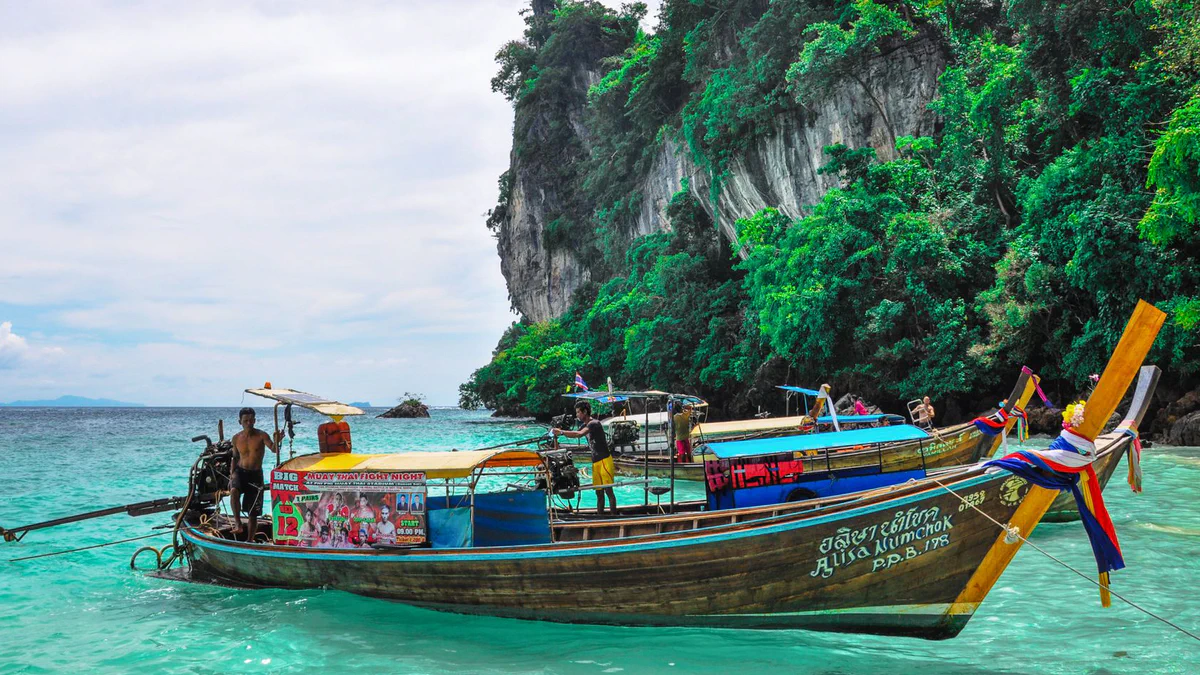
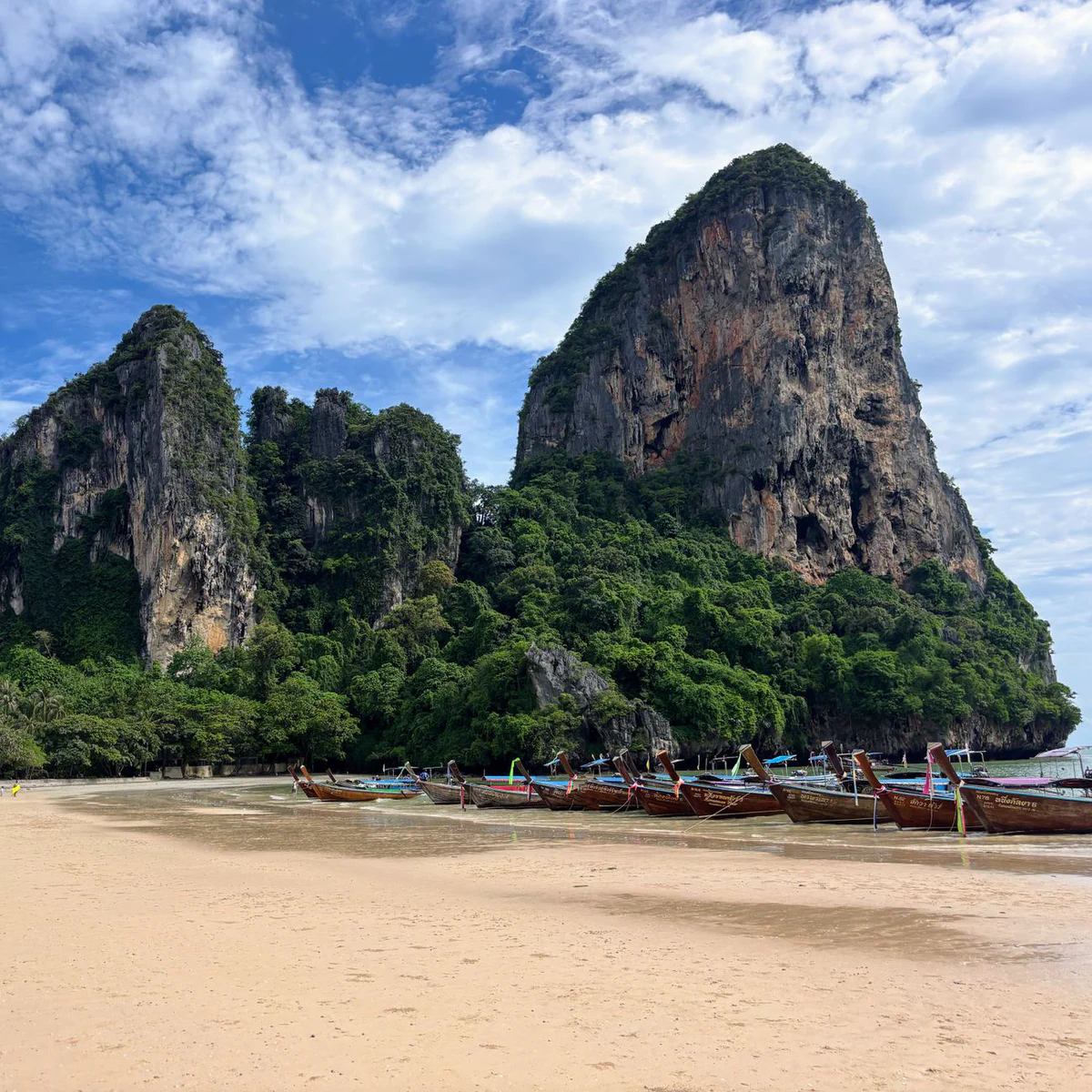
Choose Krabi when limestone scenery, Railay, climbing or boat-access coves are the reason you are going south. It fits a three- to four-night base around Ao Nang or the Railay area, but boat timing, tide, wind and the last transfer to a hotel matter more than a thumbnail beach. Keep one land-based half-day available in case a sea excursion is postponed. Railay should be treated as a real transfer and walking block, not as a nearby beach you can casually squeeze between unrelated districts.
Choose Phuket when you value a broad choice of flight connections, accommodation areas and evening activity, or when different travelers in the group need different levels of convenience. The island is large enough that the wrong base can turn each day into a vehicle day. A short stay works better when you choose one beach area or town as your center and accept that other parts are optional. Phuket is not automatically a mistake; it simply rewards travelers who want scale and choice more than a compact island feel.
Koh Samui, Koh Tao and Koh Phangan in the Gulf
Koh Samui is a comfortable Gulf base when you want beaches, restaurants and the option of a marine-park day without changing hotels. Give it at least three full days after transfer time. Koh Tao is the focused choice for diving or learning to dive, with a smaller, hillier base and a different daily rhythm. Allow extra margin around the crossing and do not place a flight immediately after a weather-sensitive boat connection. Koh Phangan works for travelers who want a split personality: a party calendar in one area and quieter coves elsewhere. Check the dates and the location of your room before assuming the whole island has one atmosphere.
Koh Lanta is a slower option for travelers who want a single beach base, fewer nightly decisions and time to read, swim or make a short excursion rather than chase a checklist. Its transfer is part of the bargain. It is a poor choice for a final night before an international flight unless the connection leaves generous margin; keep the last night near the airport or on a better-connected mainland base when timing matters.
Why October needs a careful answer
October is not a universal shoulder-season shortcut. Broad national season labels hide different coast patterns: the Andaman side can still have rain and unsettled sea conditions, while the Gulf’s wetter monsoon period commonly runs into October and later in the year. That does not mean every October day is wet or every ferry fails. It means a traveler should choose the coast with a current forecast and operator notice in hand, keep a land-based alternative and avoid spending the whole trip’s value on non-refundable marine plans. For city and northern routes, October can bring green landscapes and useful flexibility, but it is still a month for layered planning rather than certainty.


Nature choices: add depth only when you can absorb the transfer
Khao Sok is the southern nature choice for travelers who want rainforest, limestone and lake scenery to carry the trip. It deserves at least two nights, with the lake or guided forest activity placed in a weather-flexible block. A one-night photo stop between airports and beaches often produces more transit than nature. If the rainforest is your priority, use it to replace a second beach base in a two-week route. There is no standalone MyAsiaTrip Khao Sok guide to hide the logistics inside; confirm current park and boat arrangements with the operator before paying.

Khao Yai is a better fit for travelers who can use a car or a guided wildlife day from the central region and who accept that sightings are never guaranteed. It pairs more naturally with a slower Bangkok extension than with a rushed island transfer. Erawan suits a traveler who wants a waterfall and an active outdoor day around Kanchanaburi, provided the walk, heat and water conditions fit the group. Neither park has a verified standalone MyAsiaTrip page, so this overview stays at the choice level: allow the road time, check current park notices and do not promise wildlife, swimming conditions or a specific trail experience.
Plan the route from a map, not from a list
Use a map to draw the route you can physically tolerate. Begin with the international arrival and departure airports, then mark one base for each regional experience. If two points require a flight, ferry and road transfer, count that chain as a travel day even when the timetable looks short. Keep the final night on the side of the route that protects the departure rather than the side that wins a few extra beach hours.
| Trip length | Main combination | What to replace when the priority changes | Base and luggage logic |
|---|---|---|---|
| 7 days | Bangkok 3 full days + Chiang Mai 3 full days | Replace Chiang Mai with one coast if beaches matter more than the north | Two bases; use one regional flight only if the schedule is comfortable |
| 10 days | Bangkok 3 + Chiang Mai 3 + one southern base 3, with departure buffer | Replace Chiang Mai with a coast for an easier two-base trip; replace the coast with Ayutthaya/Sukhothai for a history-led route | Three bases maximum; do not split three beach nights between two islands |
| 14 days | Bangkok 3 + Chiang Mai 3–4 + one southern nature or coast base 4–5 + recovery and transfer margins | Replace a second island with Khao Sok, or replace Sukhothai with another Chiang Mai day | Four bases only when the long transfers are intentional and weather-sensitive days can move |
The detailed Thailand seven-day itinerary, 10-day itinerary and two-week itinerary pages own the day-by-day sequencing. They should be your next step once this page has helped you choose the regions; this overview does not repeat their meal, check-in and transfer tables.
Match the destination to the season and your energy
November to February is often the easiest broad window for long outdoor days, but it brings higher demand and does not erase regional differences. March to May can be very hot, and northern air quality may become the deciding factor rather than the calendar alone. June to October brings more rain across parts of the country, with different patterns on the Andaman and Gulf coasts. Outdoor plans should have a rain or heat replacement, and ferry days should have enough margin that one delay does not break an international connection.
Before you book, use Thailand’s best time to visit guide and Thailand weather by month to compare the actual coast and month. For transport decisions, the Thailand getting-around guide explains the difference between a city rail journey, an overnight train and a multi-leg island transfer. Keep the practical details simple: breathable clothing, a temple cover-up, water you know is treated, shoes that cope with wet paths and enough space in your day for a shower and a rest. A route that leaves energy for dinner is usually a better route than one that wins another pin on the map.
The final choice is not the destination with the longest list of things to do. It is the place whose weather, transfer burden and daily rhythm match the people traveling with you. Pick the base, check the live transport and conditions, then let the deeper guide handle the details.
Quick answers
Frequently asked questions
Which places in Thailand combine well for a first trip?
How many days should I spend in each Thailand destination?
Should I choose Phuket or Krabi?
Is October a good month for Thailand beaches?
Research notes
Official planning references
We use these primary references for the time-sensitive details relevant to this guide. Rules, prices and operating hours can change, so confirm the live information before you travel.
- Tourism Authority of Thailand — Bangkok
Details to check: Bangkok destination and landmark context (checked 2026-09-17).
- Tourism Authority of Thailand — Chiang Mai
Details to check: Chiang Mai destination and northern travel context (checked 2026-09-17).
- Tourism Authority of Thailand — Thailand
Details to check: Country and regional destination context; current attraction details remain subject to operator notices (checked 2026-09-17).
- Thai Meteorological Department — Seasons of Thailand
Details to check: Broad season definitions and regional monsoon context; coast-specific conditions still need a live check (checked 2026-09-17).
- State Railway of Thailand — Timetables and Booking
Details to check: Rail planning context; exact train times remain live-check items (checked 2026-09-17).
Guide reviewed 17 September 2026. Confirm live rules, prices and operating details with the linked authority before travel.