Bangkok Chinatown Guide: Food, Hours, MRT & Walking Routes
Plan Bangkok Chinatown with Yaowarat opening hours, MRT and boat directions, realistic food costs, famous shops and two heat-aware walking routes.


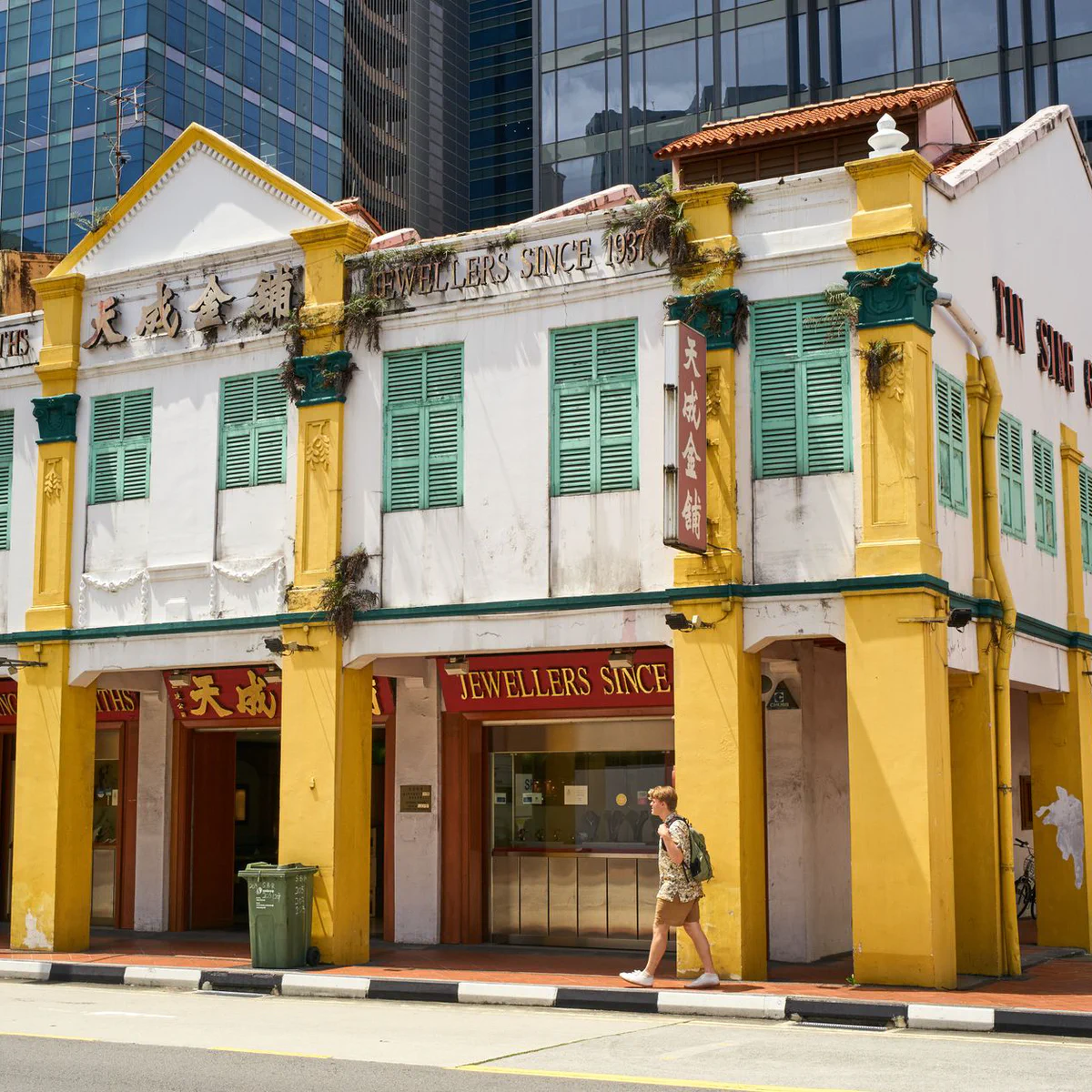
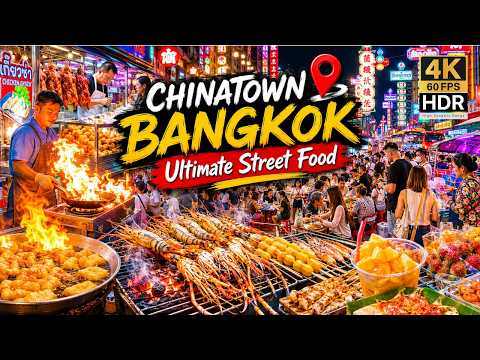
Bangkok Chinatown is worth visiting when you want one compact district that combines food, working markets and Chinese-Thai heritage. The mistake is trying to do all of it at the same time. Daylight is better for temples and shop-house details; after dusk, Yaowarat becomes louder, hotter and much more crowded as food queues occupy the pavement.
For a first visit, choose one of the two routes below. The evening route is short and appetite-led. The half-day route earns its distance with Talat Noi and Song Wat, then finishes at Yaowarat when the street-food scene wakes up.
Is Bangkok Chinatown worth visiting?
Yes—especially if you want an evening that feels specific to Bangkok rather than another polished mall or night market. Yaowarat works because gold shops, Chinese-Thai shrines, medicine stores and family restaurants still sit beside the food stalls. It is less rewarding if you dislike crowds, need smooth pavements or expect every famous vendor to be open on one fixed timetable.
The district does not have a ticket or one official entrance. You can spend almost nothing on a short walk, but most visitors come to eat. A sensible food budget is 400-1,000 baht per person for two to three hours, excluding a serious seafood order or several cocktails.
Bangkok Chinatown opening hours and best time to go
There is no single Chinatown opening or closing time. Different parts of the neighborhood run on different clocks:
| What you want | Useful planning window | What usually happens |
|---|---|---|
| Temples and heritage sights | 08:00-16:00 | Individual temples may close earlier than the district; check the specific site |
| Sampeng wholesale market | Morning to late afternoon | Many traders are winding down when the dinner crowd arrives |
| Yaowarat street food | About 17:00-23:00 | More carts appear around 17:00-18:00; famous stalls may sell out before their stated close |
| Restaurants and bars | Venue-specific | Some open all day, some only at dinner, and a few close one day a week |
There is no universal afternoon siesta. A daytime shop may pause, while an evening-only food stall has not opened yet. Between roughly 14:00 and 16:30, Chinatown can feel oddly transitional: wholesalers are finishing, the pavement is hot, and the night-food setup is only beginning. Use that period for Song Wat, Talat Noi or an indoor drink rather than waiting on Yaowarat Road.
For atmosphere and food choice, arrive around 17:30 on Tuesday to Sunday. Monday is still visitable, but many pavement vendors traditionally take the day off for street cleaning. Restaurants and permanent shops make their own schedules, so Monday is not a district-wide closure.
Chinatown visit planner
| Your priority | Best window | Allow | Reality check |
|---|---|---|---|
| Yaowarat food walk | 17:30-21:30, preferably Tue-Sun | 2-3 hours | Pavements become dense after 19:00; share portions rather than joining every famous queue |
| Temples and Sampeng | 09:00-14:00 | 3-4 hours | Shade is patchy and market lanes are tight; start before the heat builds |
| Talat Noi and Song Wat | 14:00-18:00 | 3-4 hours | Cafes make useful cooling stops, but opening days vary |
| Low-friction arrival | MRT Blue Line to Wat Mangkon | — | Exit 1 is the useful side for Plaeng Nam, Phadung Dao and Yaowarat |
Monday is a weaker choice for a food-first visit because many pavement vendors close for cleaning. It is not a dependable citywide shutdown: indoor restaurants, shops and individual carts may follow different schedules.
Route 1: a two-to-three-hour evening food walk
- Start: MRT Wat Mangkon Exit 1
- Finish: Odeon Circle or MRT Hua Lamphong
- Plaeng Nam and Phadung Dao: step out at Exit 1 and use these side streets to orient yourself before the main road becomes overwhelming. Look at turnover, cleanliness and posted prices; a busy wok station with a short moving queue is often a better first stop than the longest social-media line.
- Yaowarat Road: walk east along the main strip and eat in small rounds. Begin with something savory, pause for a drink, then decide whether seafood is worth the wait before finishing with a warm or iced dessert.
- Odeon Circle and Chinatown Gate: continue toward the ceremonial gate when you want a clear visual finish rather than wandering until everyone is tired.
- Exit: MRT Hua Lamphong is useful from the eastern end. If you finish farther back toward Wat Mangkon, return to that station instead of forcing a loop.
This route is not step-free sightseeing. Kerbs, queues, drainage covers and motorcycles create repeated obstacles. BEM lists elevators at Wat Mangkon, but the street environment beyond the station is less consistent.
Route 2: a heat-aware Chinatown half day
- Start: Wat Traimit / MRT Hua Lamphong
- Finish: MRT Wat Mangkon after dinner
- Wat Traimit and Odeon Circle: begin with the Golden Buddha and heritage center while temple areas are open. Confirm the current ticket and closing time before relying on an old online listing.
- Talat Noi: walk into the old mechanic lanes for murals, shrines and the contrast between engine parts and historic shop houses. These are lived-in streets, not a staged attraction; keep doorways clear and ask before photographing people.
- Song Wat Road: continue west along the river-facing warehouse district. Use a cafe or bakery as a deliberate cooling break rather than treating every popular shop as a compulsory stop.
- Yaowarat dinner: turn north toward Yaowarat around dusk, graze rather than ordering a full first meal, and end near Wat Mangkon for a simple MRT departure.
Allow four to five hours including a sit-down break. If the afternoon is brutally humid, cut Talat Noi or take a short car ride between the eastern heritage area and dinner. The route should feel like a neighborhood visit, not an endurance test.

Famous Chinatown food shops worth checking
Treat these as route anchors, not a checklist. Bangkok opening hours shift, family-run shops sell out, and two branches with similar names may have different schedules. Check the venue’s current listing on the day and keep one backup nearby.
Nai Ek Roll Noodles
Nai Ek is one of the best-known places for guay jub: rolled rice noodles in a peppery broth with crispy pork and, unless you order carefully, offal. It sits directly on Yaowarat Road and is useful for a daytime or early-evening bowl. Current listings broadly place it from morning until around midnight, but disagree about its Sunday schedule. If this is your must-eat stop, verify the same day rather than building the whole evening around an old hours card.
Order a smaller bowl if you plan to continue eating. Ask for no offal if you only want the noodles and crispy pork; the broth itself is assertively peppery.
Lim Lao Ngow
This long-running Song Sawat noodle shop is known for fish balls and springy noodles. Its compact street-side setting is part of the appeal, but there is little reason to stand in a stationary queue when the pavement is already crowded. Time Out’s current listing gives 16:30-21:00, so it works better as an early stop than a late-night fallback.
Khao Gaeng Jek Pui
Jek Pui is the famous curry-rice setup associated with red stools near Mangkon Road. It is primarily a mid-afternoon to early-evening stop, not a midnight street-food stall, and popular dishes can sell out. Choose two curries over rice, accept that the seating is functional rather than comfortable, and avoid arriving with large bags.
Bā hào
Bā hào is a narrow Chinese-influenced bar and restaurant on Soi Nana, closer to Hua Lamphong than the busiest Yaowarat stretch. It is useful when your group wants air conditioning and cocktails after street food. The venue currently publishes 17:00-midnight Sunday-Thursday and 17:00-01:00 Friday-Saturday. It costs noticeably more than a noodle stall, so think of it as the final drink rather than a budget food-crawl stop.
What else is genuinely worth looking for?
Do not ignore unnamed high-turnover vendors. A freshly cooked oyster omelette, grilled squid, toasted bun or bowl of black-sesame dumplings can be a better use of the evening than a 45-minute queue. Confirm seafood prices before ordering—especially when prawns, crab or fish are sold by weight.
What to eat without wasting the evening in queues
Chinatown rewards a three-round strategy more than a list of famous vendors:
- Peppery guay jub: rolled rice noodles in a dark, pepper-heavy broth, often with crispy pork and optional offal. Ask before ordering if organ meat is not for you.
- Seafood or a stir-fry: confirm whether the price is per plate or by weight before choosing prawns, crab or fish.
- Dessert: toasted buns, black-sesame dumplings in ginger soup, ginkgo and longan desserts are easy to split.
Carry small notes. Some established restaurants accept cards or local QR payment, but a foreign visitor should not assume every cart does. If a queue blocks half the pavement and barely moves, choose a high-turnover shop nearby; the gain in time is usually more meaningful than the difference between two well-known bowls of noodles.
Realistic Chinatown food costs
These are planning ranges rather than fixed menu prices:
| Order | Typical planning range |
|---|---|
| Small snack, skewer or dessert | 40-100 baht |
| Noodle or curry-rice dish | 60-150 baht |
| Shared street-side seafood meal | 300-800+ baht per person |
| Two-to-three-hour food crawl | 400-1,000 baht per person |
Seafood sold by weight, large prawns, crab, alcohol and air-conditioned cocktail bars are the quickest ways to exceed the range. A solo traveler can keep costs down by choosing individual bowls; a couple or group can share more dishes without wasting food.
For a broader introduction to dishes, markets and food courts, use the Bangkok food guide.
Temples and heritage stops
Wat Traimit
Wat Traimit, near Odeon Circle, houses a solid-gold Buddha around three meters high and weighing about 5.5 tonnes. The statue and heritage exhibition give useful context before walking into modern Yaowarat. Opening hours and admission details are more volatile than the monument itself, so check the official listing or entrance board on the day.
Wat Mangkon Kamalawat
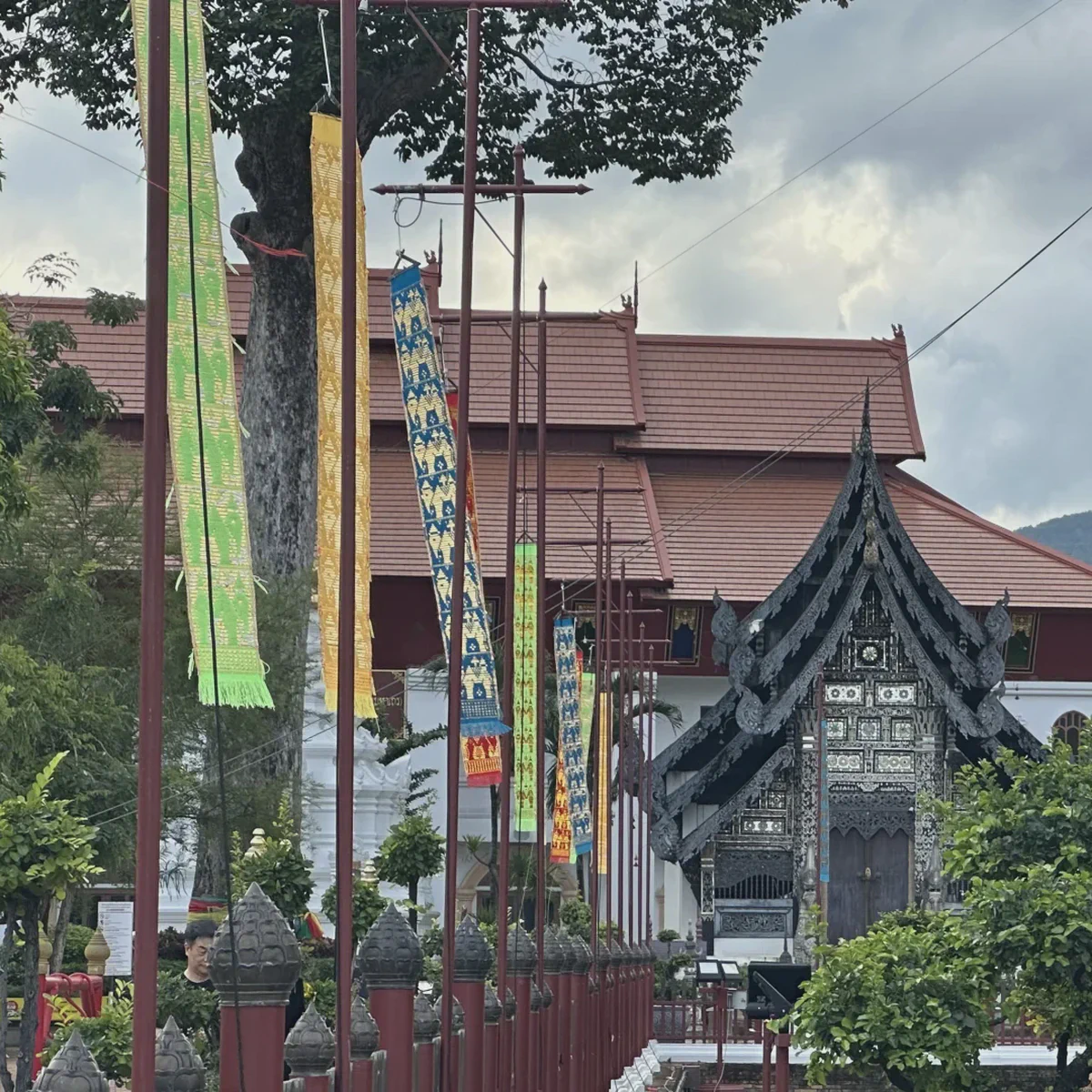
This active Chinese Buddhist temple is on Charoen Krung Road. Use Wat Mangkon Exit 3 for the signed temple access; Exit 1 is better for Yaowarat, while Exit 2 serves Charoen Krung Soi 16 and Mangkon Road. Incense smoke can be heavy during festivals, and Chinese New Year brings a very different crowd level from an ordinary weekday.
Cover shoulders and knees, keep voices low and avoid turning worshippers into a photo backdrop.
Sampeng Lane
Sampeng is a working wholesale lane, best earlier in the day. Fabrics, accessories and household goods spill into a narrow corridor shared with delivery traffic. It is visually rich but not relaxing when hot or carrying luggage. If your priority is an evening meal, do not add Sampeng simply to lengthen the route.
How to get to Bangkok Chinatown
MRT Blue Line
Wat Mangkon is the default choice. BEM’s official station guide lists:
- Exit 1: Plaeng Nam, Phadung Dao and Yaowarat.
- Exit 2: Charoen Krung Soi 16 and Mangkon Road.
- Exit 3: Wat Mangkon Kamalawat.
Single-journey tickets and current contactless payment rules can change, so check the Bangkok transport guide before depending on one card.
From Sukhumvit or Asok, take the MRT Blue Line directly from Sukhumvit to Wat Mangkon. From Silom, join the Blue Line at Si Lom. From Siam, take the BTS to Sala Daeng and walk to Si Lom MRT, or use a car if several people are sharing and traffic is light. The MRT is usually easier than asking a driver to stop on congested Yaowarat Road.
Chao Phraya Express Boat
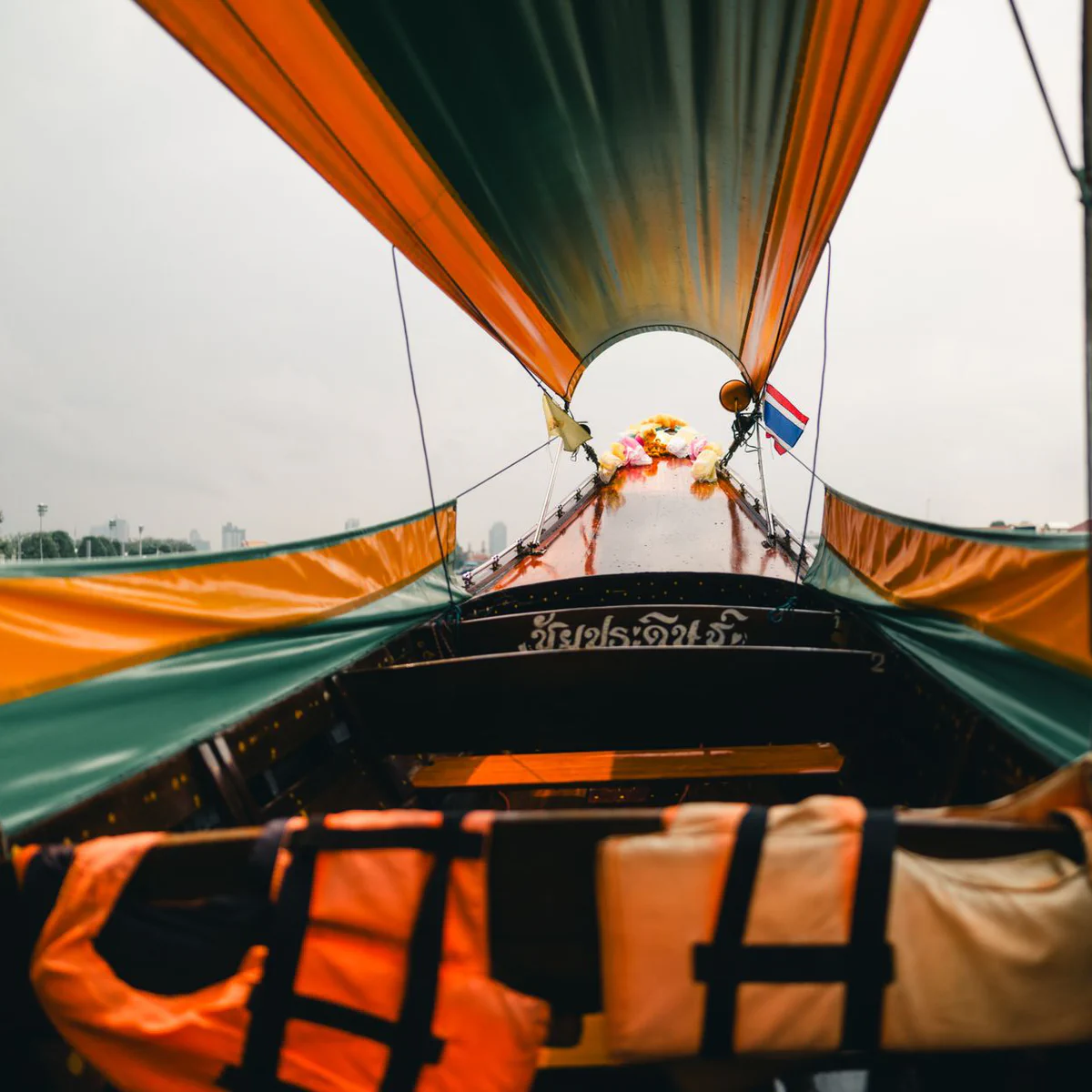
Ratchawong Pier is useful when arriving from the riverside. Walk inland on Ratchawong Road toward Sampeng and Yaowarat. Boat colors and timetables change by day and service period; use the operator’s live timetable rather than assuming an evening departure will still run.
From the Old City
Wat Saket pairs naturally with Chinatown if you leave the temple before dinner. In late-afternoon traffic, walking part of the way or using a short metered/app ride can be more predictable than a tuk-tuk quote. Do not describe it as a five-minute transfer: congestion and pickup time make that promise unrealistic.
By taxi or ride-hailing
Use a precise landmark—MRT Wat Mangkon, Odeon Circle, Wat Traimit or a named restaurant—instead of entering only “Chinatown.” Yaowarat traffic can crawl after dark, and a driver may choose a drop-off on a side street. A car is most useful for a small group, a late return or a mobility-sensitive visit; it is rarely the fastest way into the dinner rush.
How long do you need in Bangkok Chinatown?
- 90 minutes: one meal and a short Yaowarat walk. This is enough for atmosphere, not the wider district.
- 2-3 hours: the best first-time evening plan—three small food rounds, side streets and Chinatown Gate.
- 4-5 hours: Wat Traimit, Talat Noi or Song Wat plus a deliberate cooling stop and dinner.
- Most of a day: only worthwhile if you enjoy markets, urban history and slow street photography. Split the day around the hottest hours.
Practical friction to plan for
- Heat: combine outdoor lanes with one seated, air-conditioned stop. A full daytime walk followed immediately by dinner is tiring in Bangkok humidity.
- Traffic: Yaowarat crossings are busy and motorcycles may enter narrow lanes. Keep children on the building side of the pavement.
- Dietary needs: pork, shellfish, fish sauce and shared woks are common. Show a translated allergy card; visual pointing is not enough for a severe allergy.
- Restrooms: use the MRT or a cafe/shopping complex when you are already a customer. Do not wait until the final food queue.
- Mobility: station elevators help, but the neighborhood has uneven surfaces and crowded kerbs. Keep the route shorter and use Song Wat’s wider stretches where possible.
For a larger evening plan, compare the Bangkok night markets guide. To place Chinatown within a realistic first day, see the one-day and two-day Bangkok itinerary.
Quick answers
Frequently asked questions
What is the best time to visit Bangkok Chinatown?
Are Chinatown street-food stalls open on Monday?
Which Wat Mangkon MRT exit is best for Chinatown?
What time does Bangkok Chinatown open and close?
How much should I budget for Bangkok Chinatown street food?
How long should I spend in Bangkok Chinatown?
Is Bangkok Chinatown easy to walk?
Research notes
Official planning references
We use these primary references for the time-sensitive details relevant to this guide. Rules, prices and operating hours can change, so confirm the live information before you travel.
- Tourism Authority of Thailand (TAT) — Yaowarat Chinatown Heritage Center
Details to check: Official district and Wat Traimit context; checked 2026-09-03.
- Bangkok Expressway and Metro (BEM) — Wat Mangkon Station
Details to check: Official Wat Mangkon station facilities and exit destinations; checked 2026-09-03.
- Chao Phraya Express Boat — routes and timetable
Details to check: Official flag routes and current operating timetable for Ratchawong Pier access; checked 2026-09-04.
- Tourism Authority of Thailand — An adventure through Bangkok's Chinatown
Details to check: Official route context and the shift from daytime trade to evening food activity; checked 2026-09-04.
- Time Out Bangkok — Lim Lao Ngow
Details to check: Current venue identity, address and published opening hours; checked 2026-09-04.
- Bā hào — official website
Details to check: Official current opening hours for the Soi Nana bar and restaurant; checked 2026-09-04.
Guide reviewed 4 September 2026. Confirm live rules, prices and operating details with the linked authority before travel.