Bangkok
Start planning Bangkok with clear choices for itineraries, neighborhoods, temples, food, markets, transport, weather, costs and practical day trips.
Start here for a first Bangkok trip
If you’re just starting to plan and haven’t booked anything yet, read these in order:
- Where to stay in Bangkok: Choose your district based on transport links and your personal travel style.
- Getting around Bangkok: Understand the disconnect between the BTS, MRT, and the river boats before you’re standing on a hot street corner.
- Pick an itinerary by duration: Don’t try to build a “Frankenstein” route from random social media posts.
- Check Bangkok weather: Be honest about how you’ll handle the April heat or the October rains.
- Use our Bangkok travel-cost guide: Price out your actual dates to avoid any budget surprises.
These decisions all lean on one another. A hotel on the river makes temple visits a breeze, but it might add a long road transfer to your evening shopping plans. A Sukhumvit base gives you the best rail access but leaves you far from the historic heart. Set your first two days before you book any non-refundable activities so your hotel and your route actually support each other.
Choose your Bangkok itinerary
Bangkok in 1 Day: Efficient Itinerary for First-Timers
Bangkok Itinerary 2 Days: The Essential First-Time Route
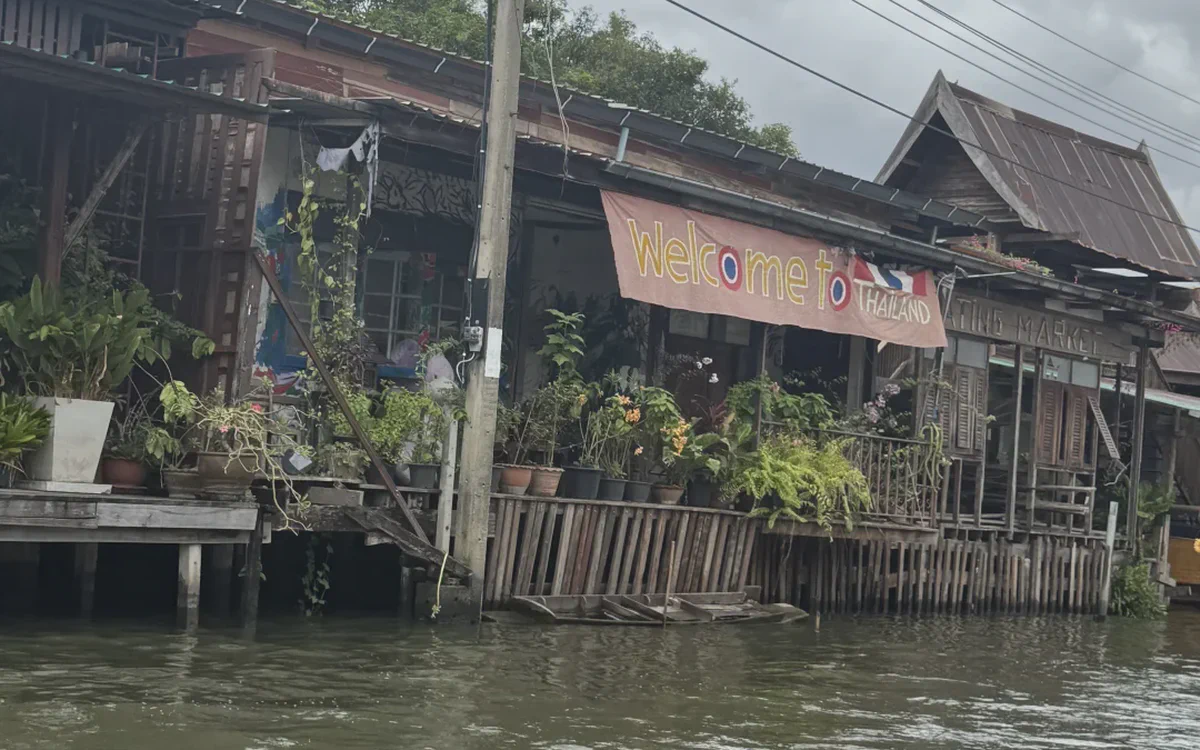
Bangkok 3-Day Itinerary: Temples, Markets & Day Trips
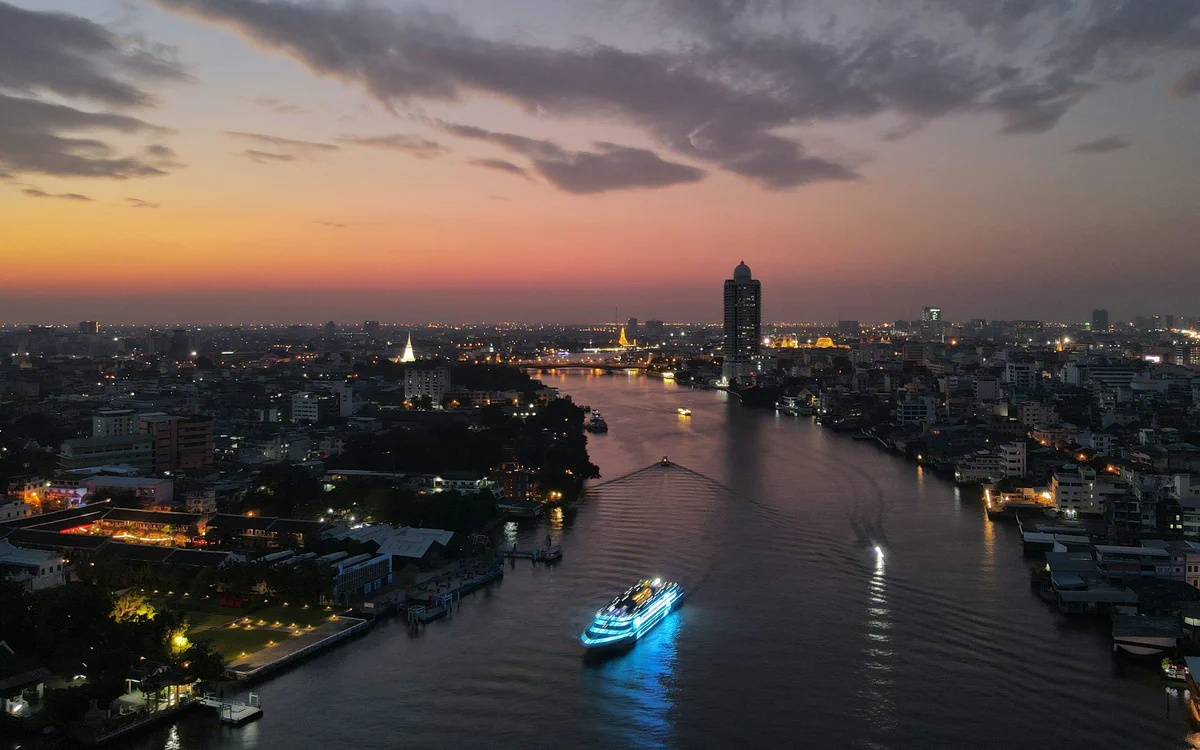
Bangkok 5-Day Itinerary: Temples, Markets & Day Trips (2026)
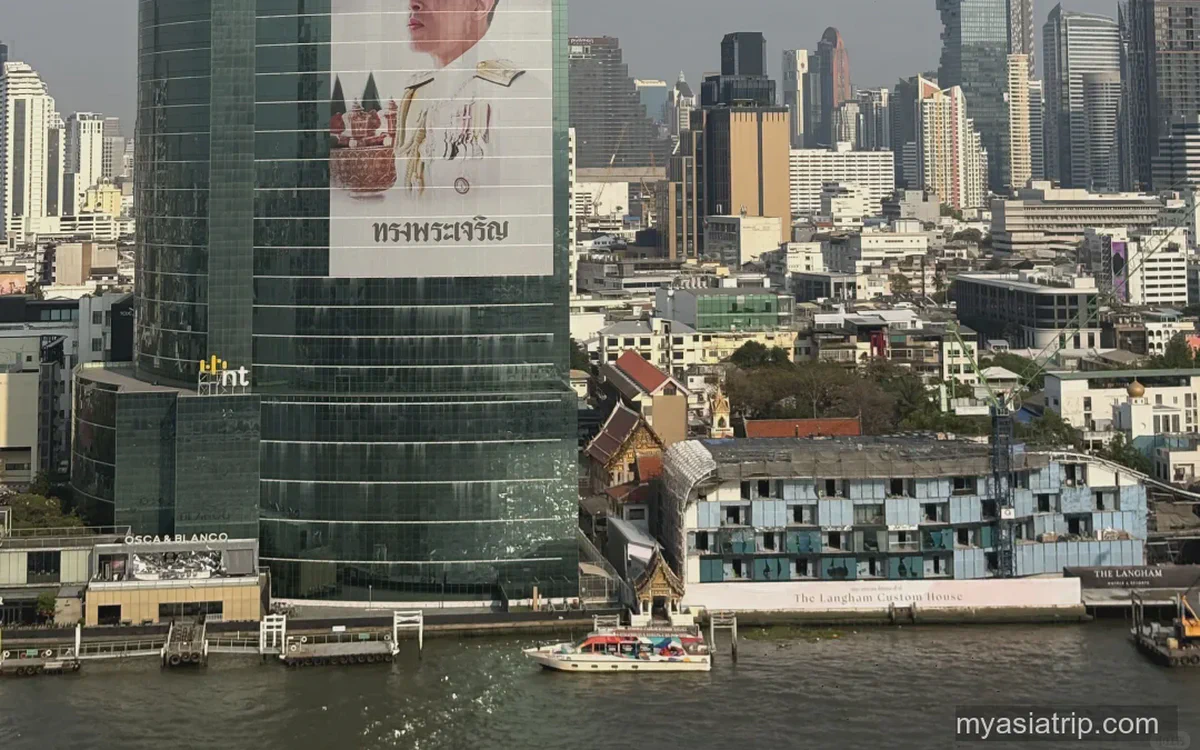
Bangkok Itinerary 7 Days: A Slower City and Day-Trip Plan
| Time available | Best use | Guide |
|---|---|---|
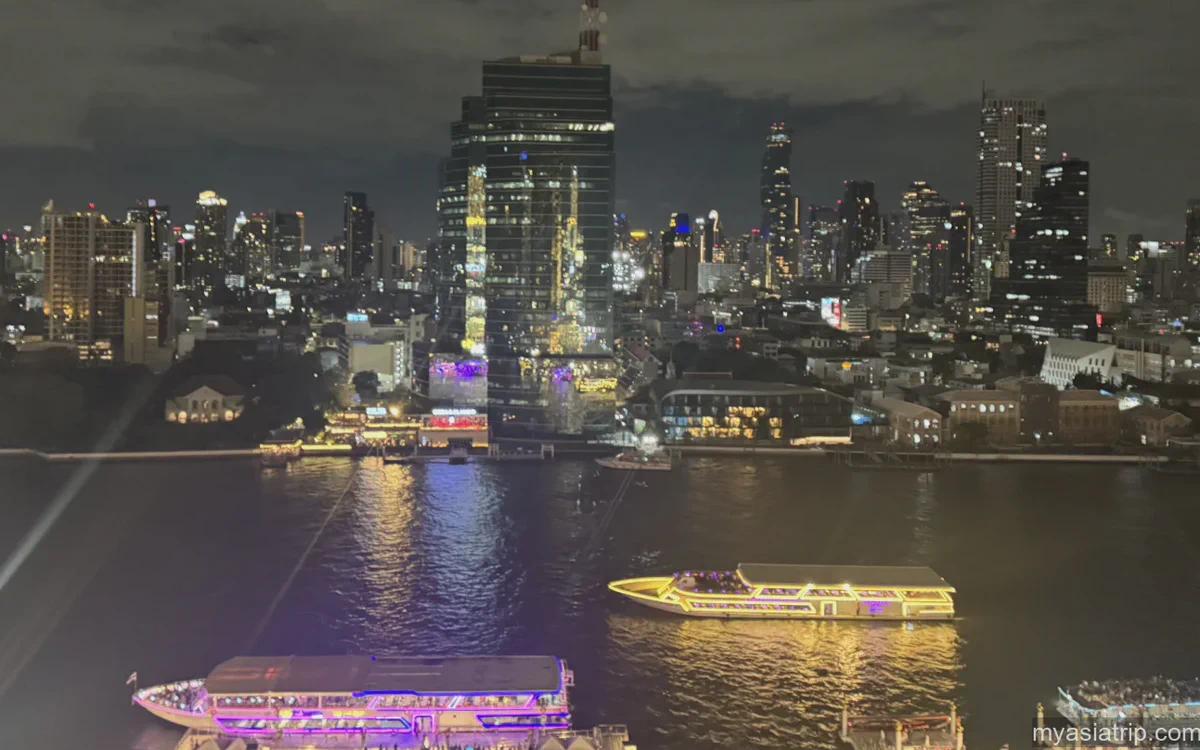
| 1 day | The historic river corridor and one focused evening area | Bangkok in 1 day |
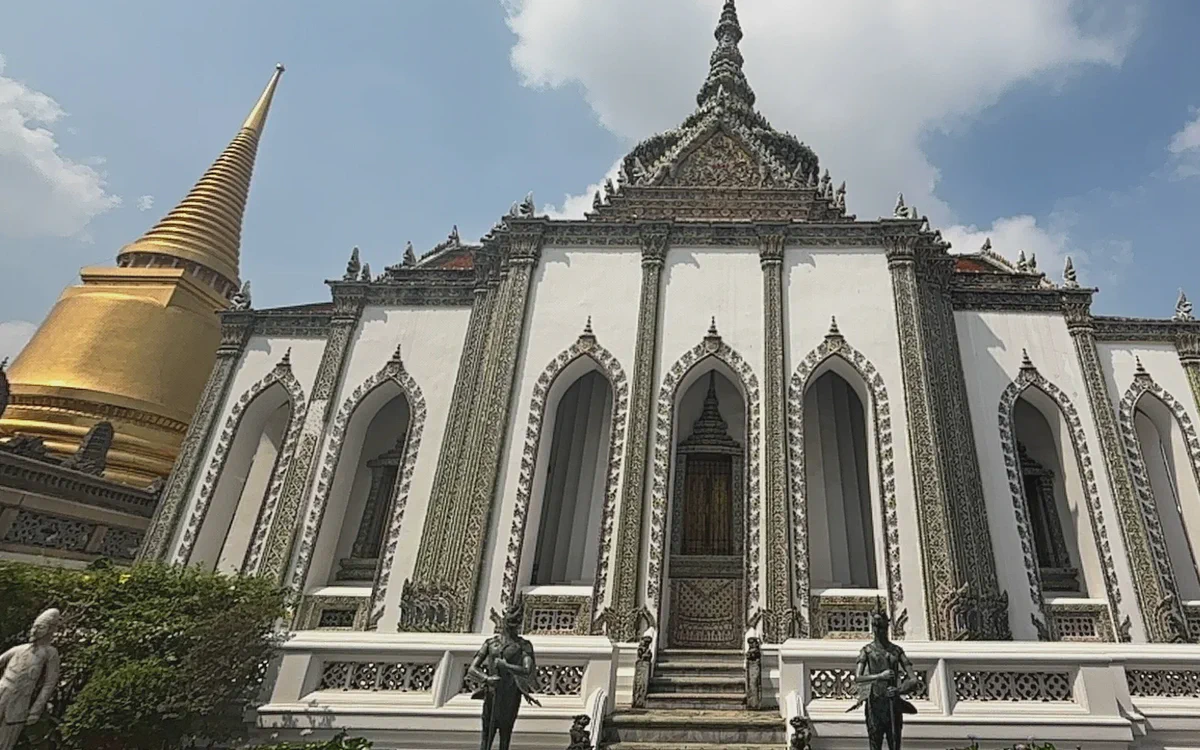
| 2 days | The major temples, Chinatown, and one modern or market day | Bangkok in 2 days |
| 3 days | A balanced first visit that covers the city’s main contrasts | Bangkok in 3 days |
| 5 days | All the city highlights plus one well-chosen day trip | Bangkok in 5 days |
| 7 days | Deep neighborhood exploration, recovery time, and a day trip | Bangkok in 7 days |
Bangkok by interest
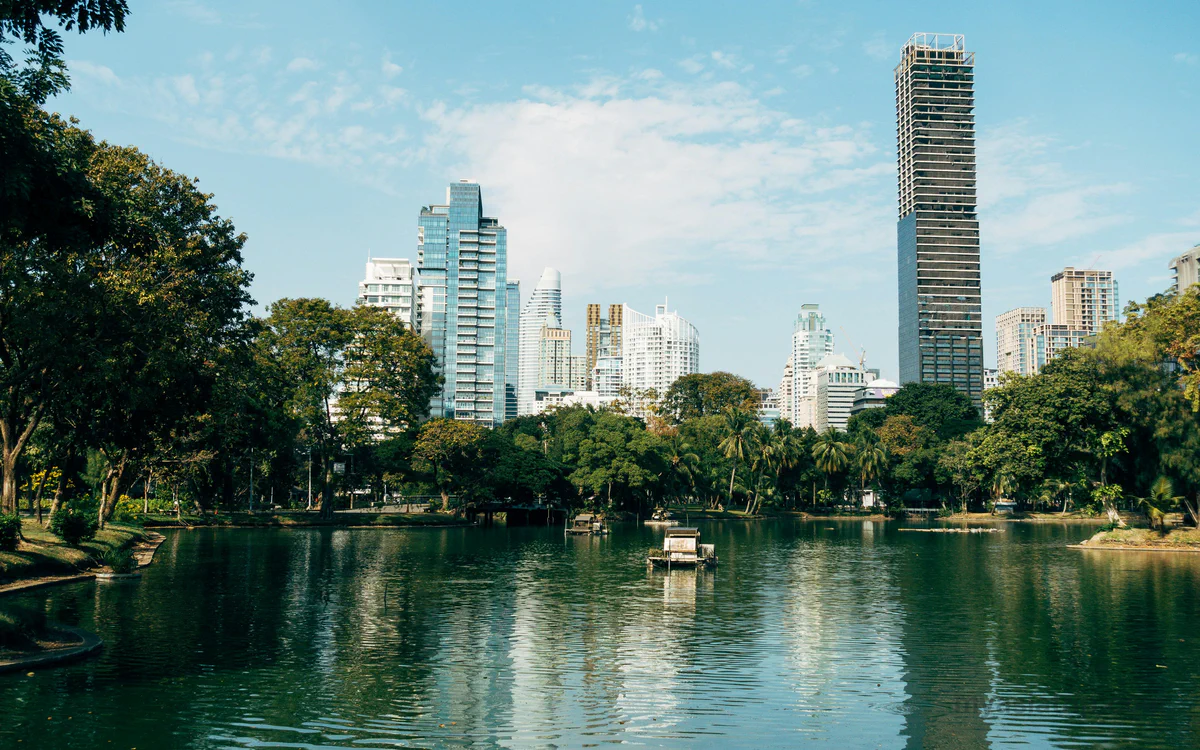
Best Things to Do in Bangkok: Temples, Markets and Neighborhoods
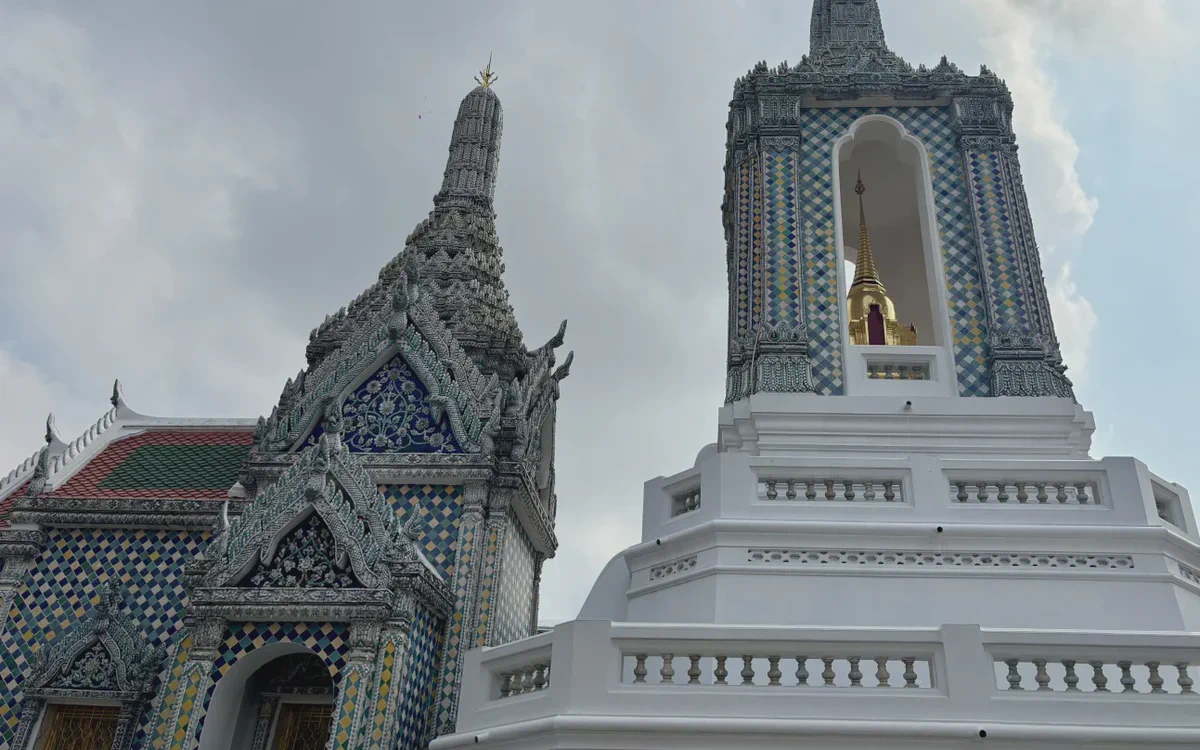
Best Temples in Bangkok: Choose the Right Route
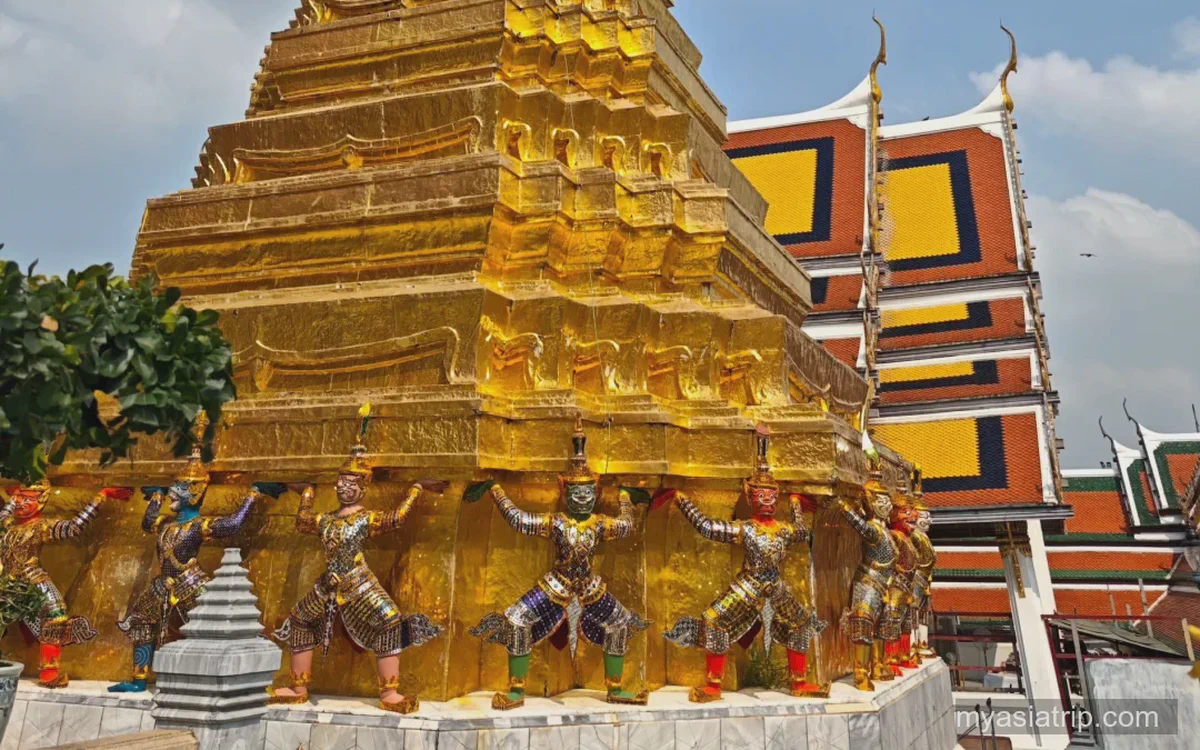
Grand Palace Bangkok Guide: Hours, Dress Code and Tickets
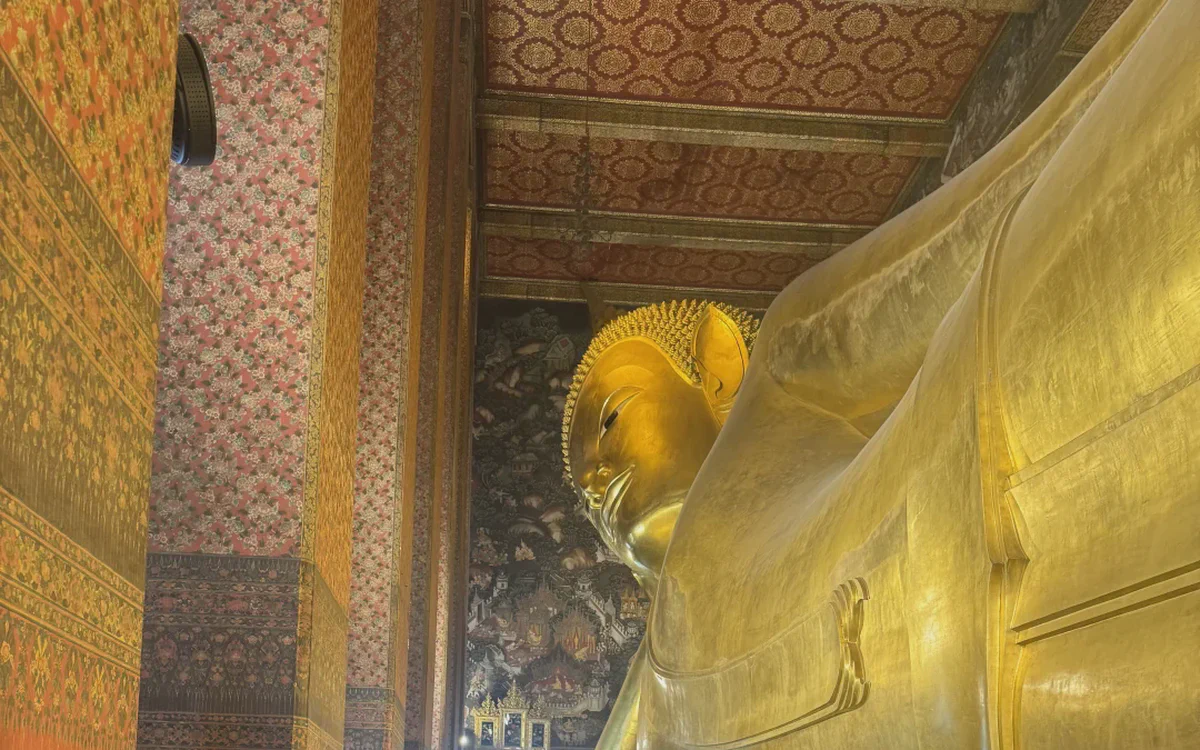
Wat Pho Bangkok Guide: Reclining Buddha, Tickets & Dress Code
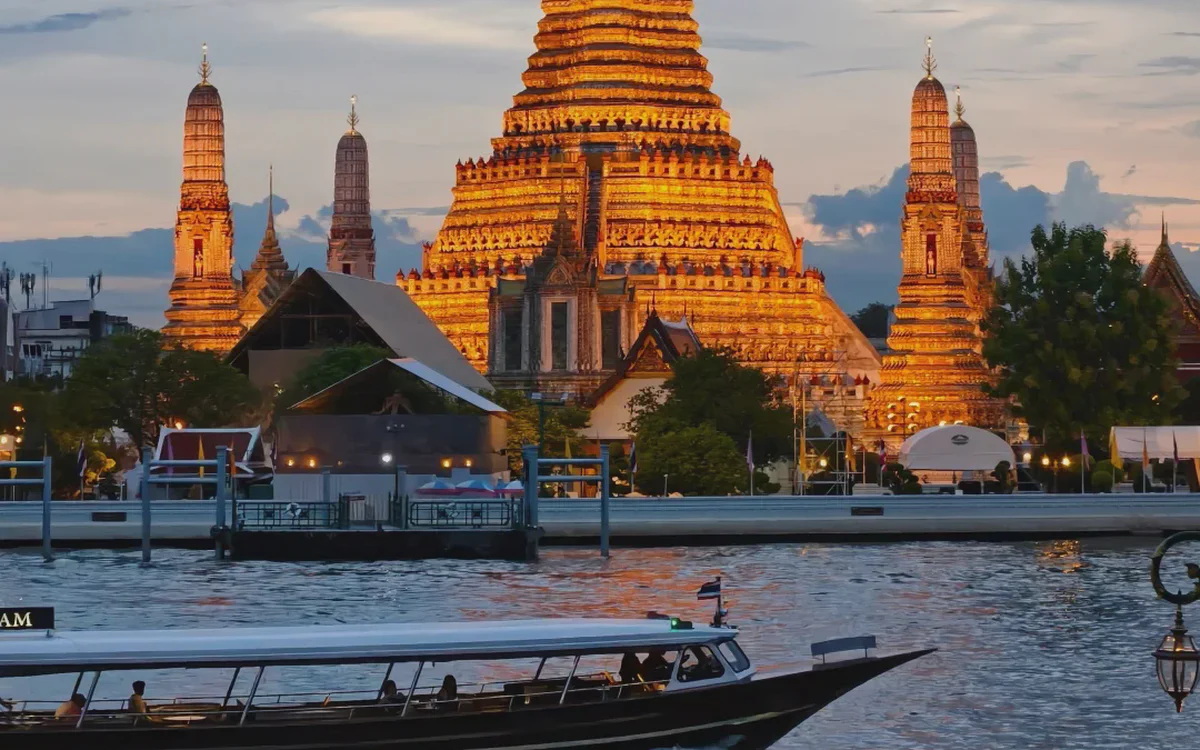
Wat Arun Bangkok Guide: Tickets, Ferry, Climb & Thai Dress Photos
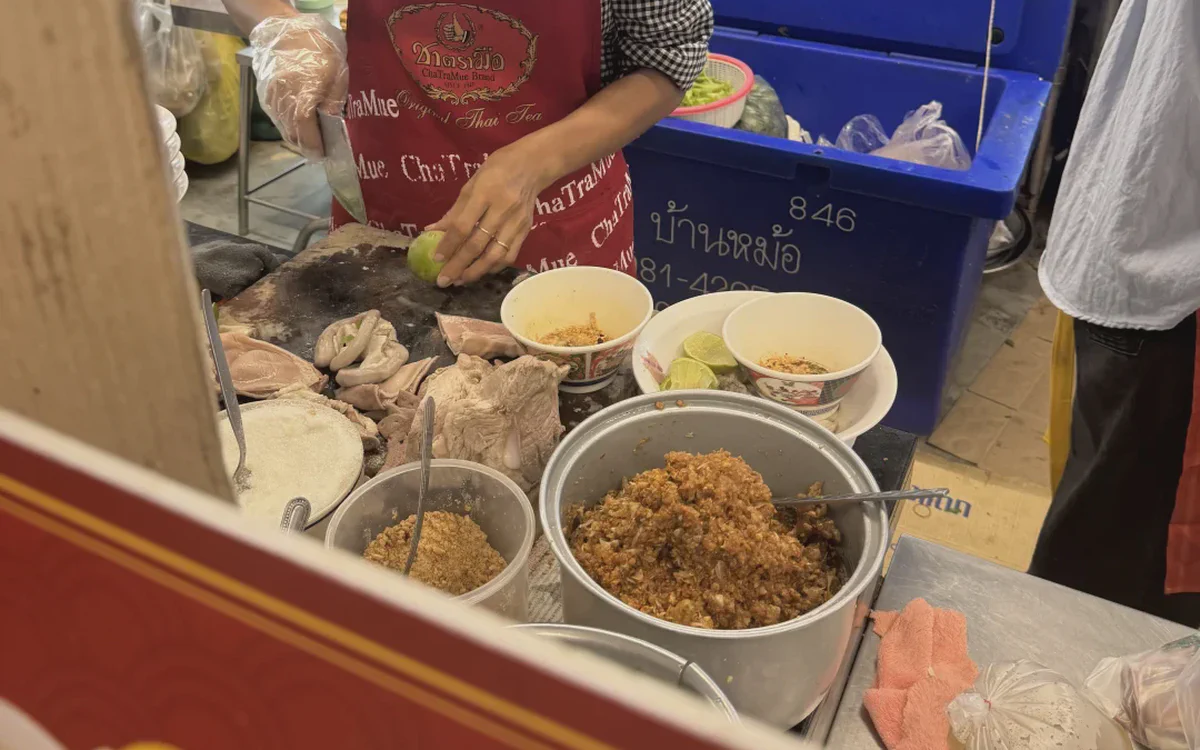
Bangkok Food Guide: Where to Eat Like a Local
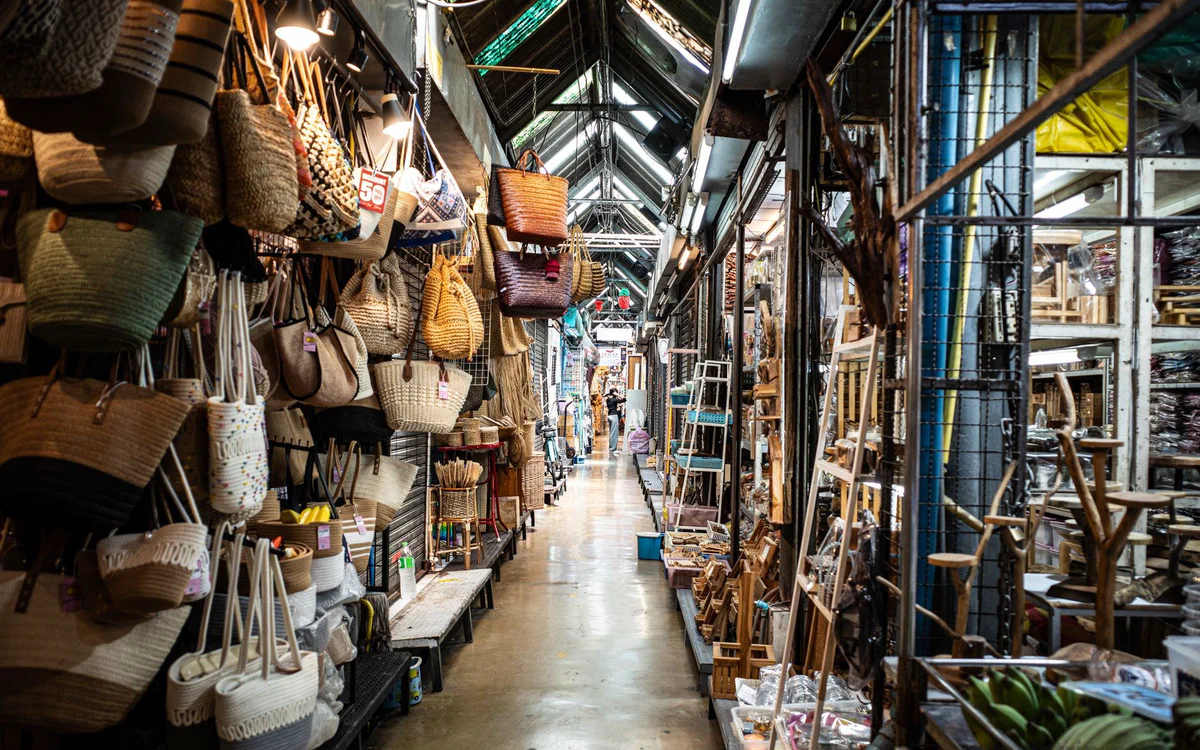
Chatuchak Weekend Market: Hours, Map and Shopping Tips
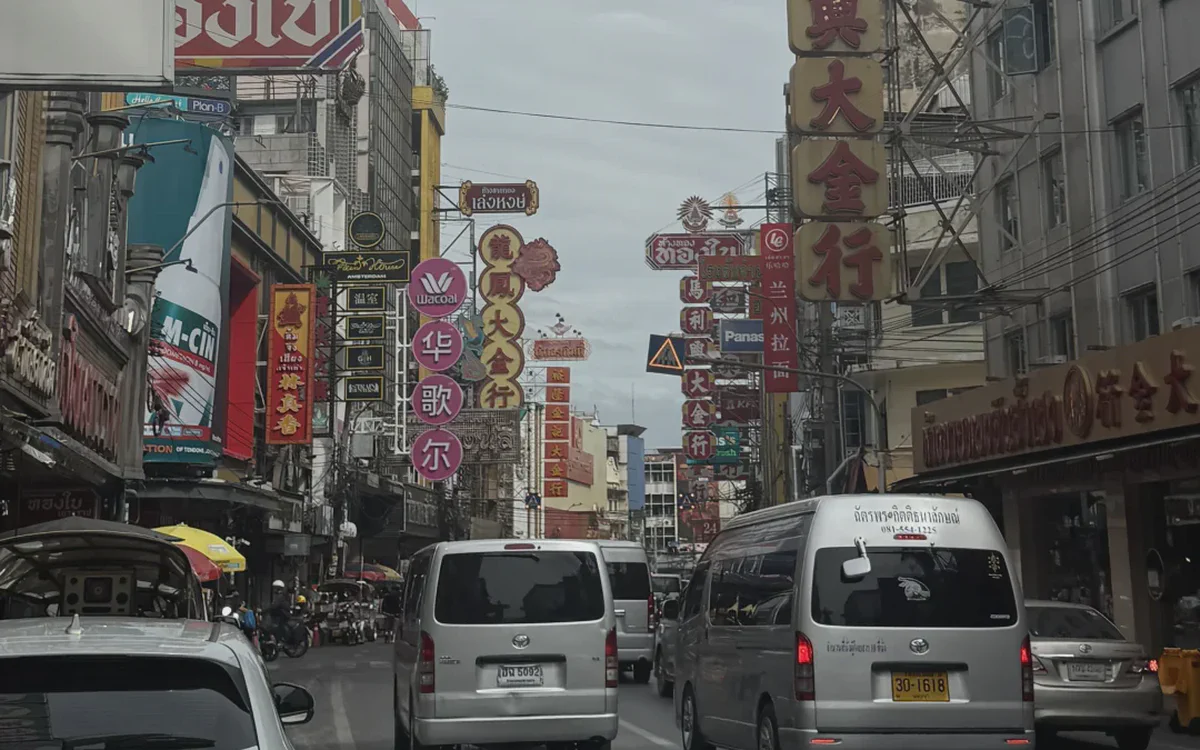
Bangkok Night Markets: Which One Is Worth Your Evening?
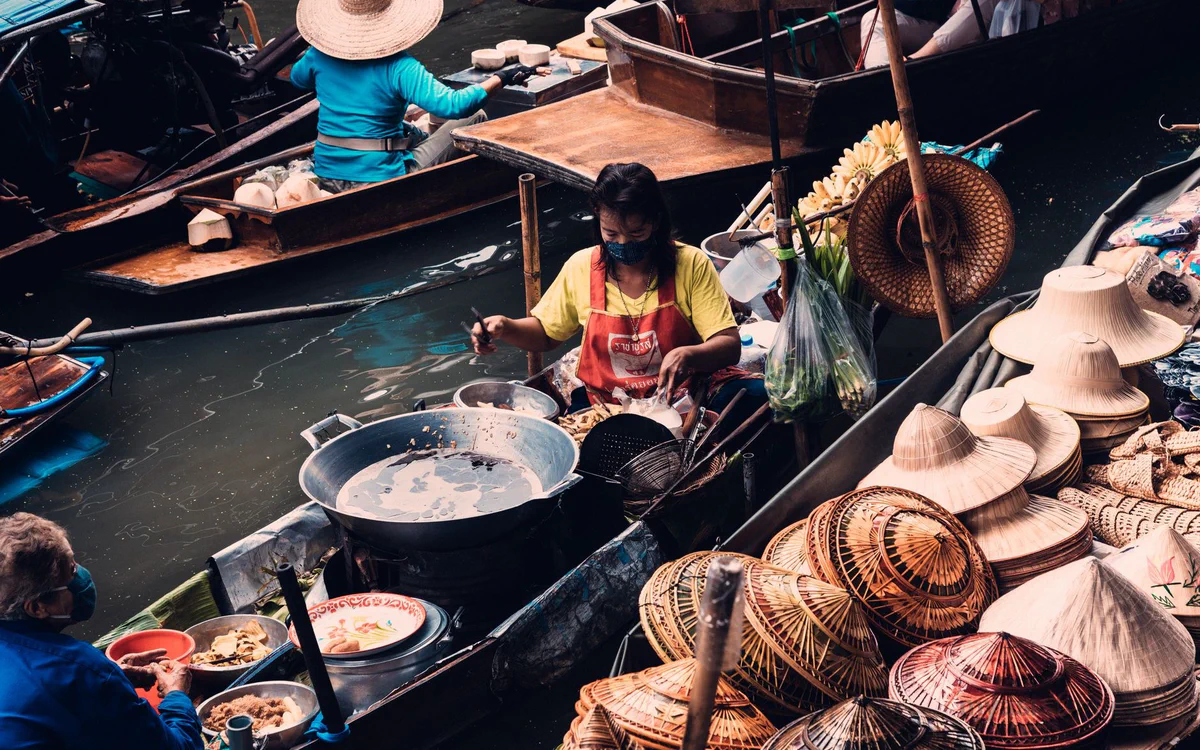
Bangkok Floating Markets Guide: Which One Should You Visit?
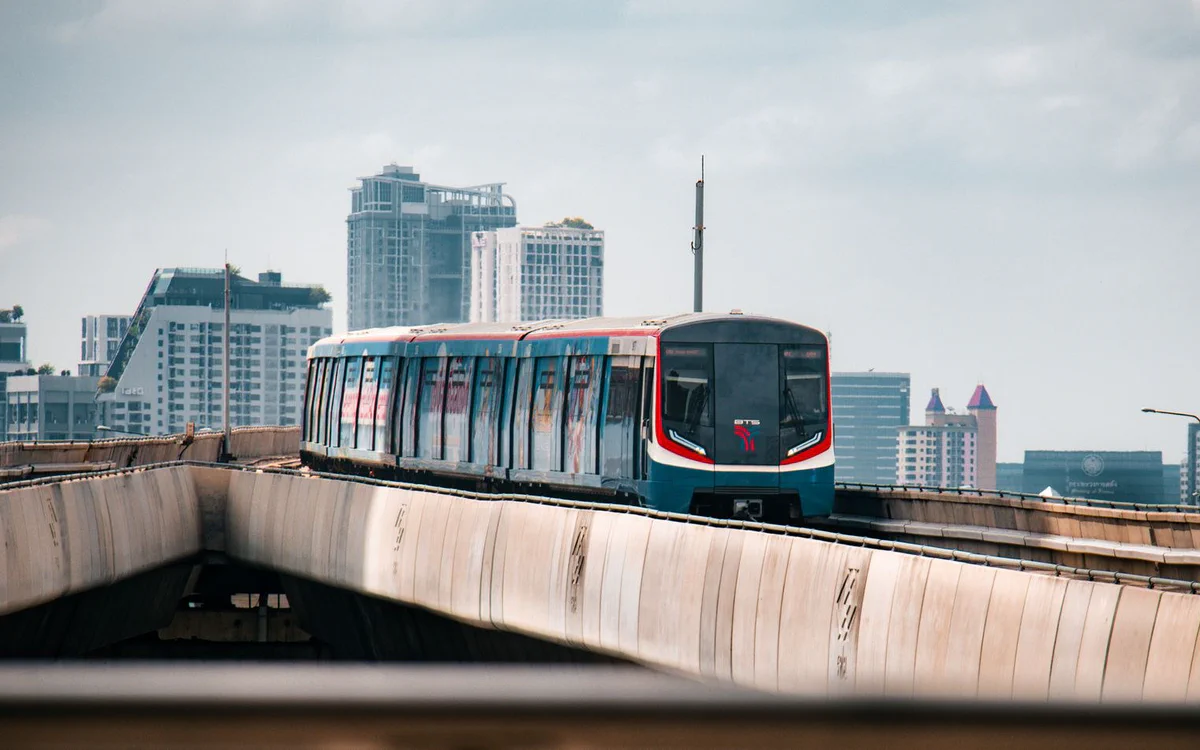
MBK Center Bangkok Guide: Shopping, Food, Hours & Transport
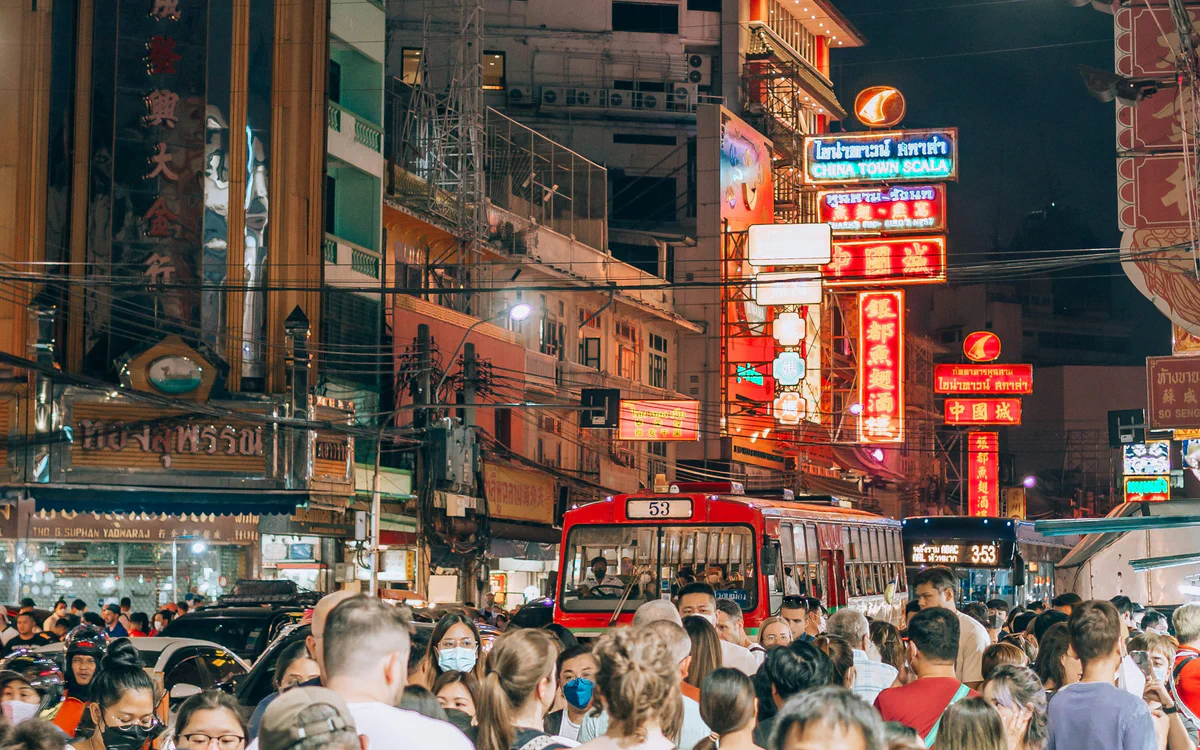
Bangkok Nightlife: Best Areas, Costs & Safety
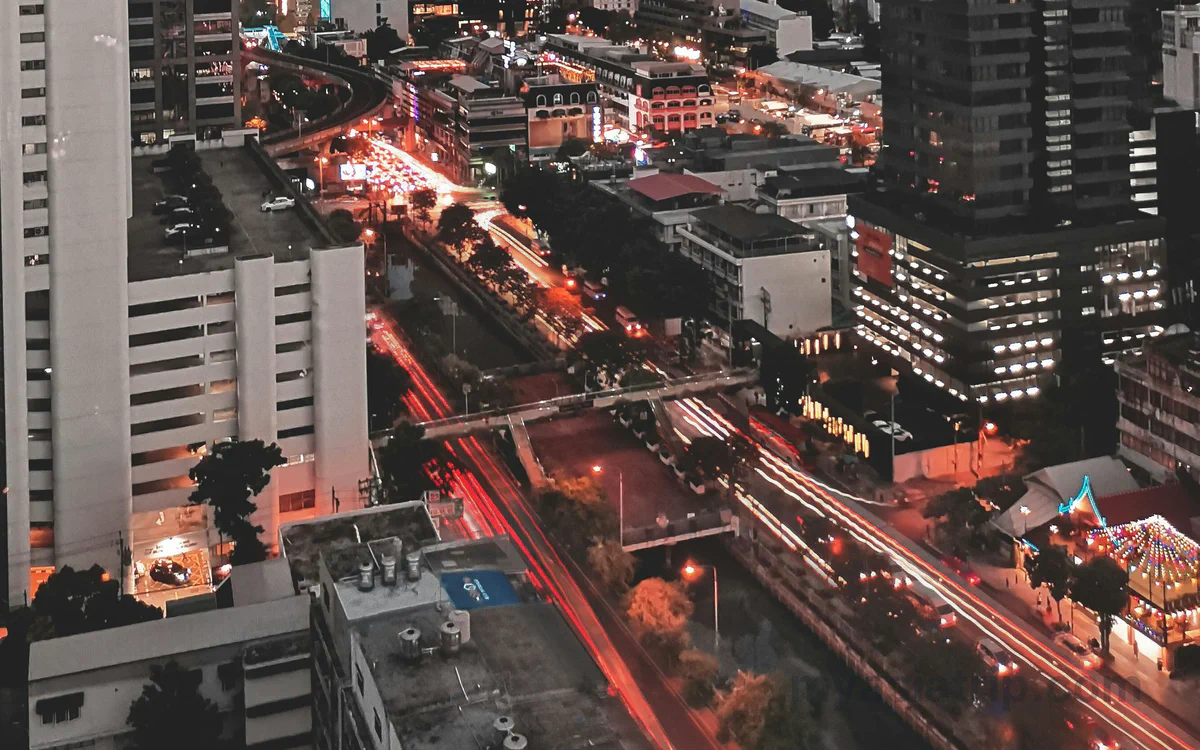
Bangkok Rooftop Bars: Views, Dress Codes and Trade-Offs
Bangkok with Kids: What to Do Without Exhausting the Family
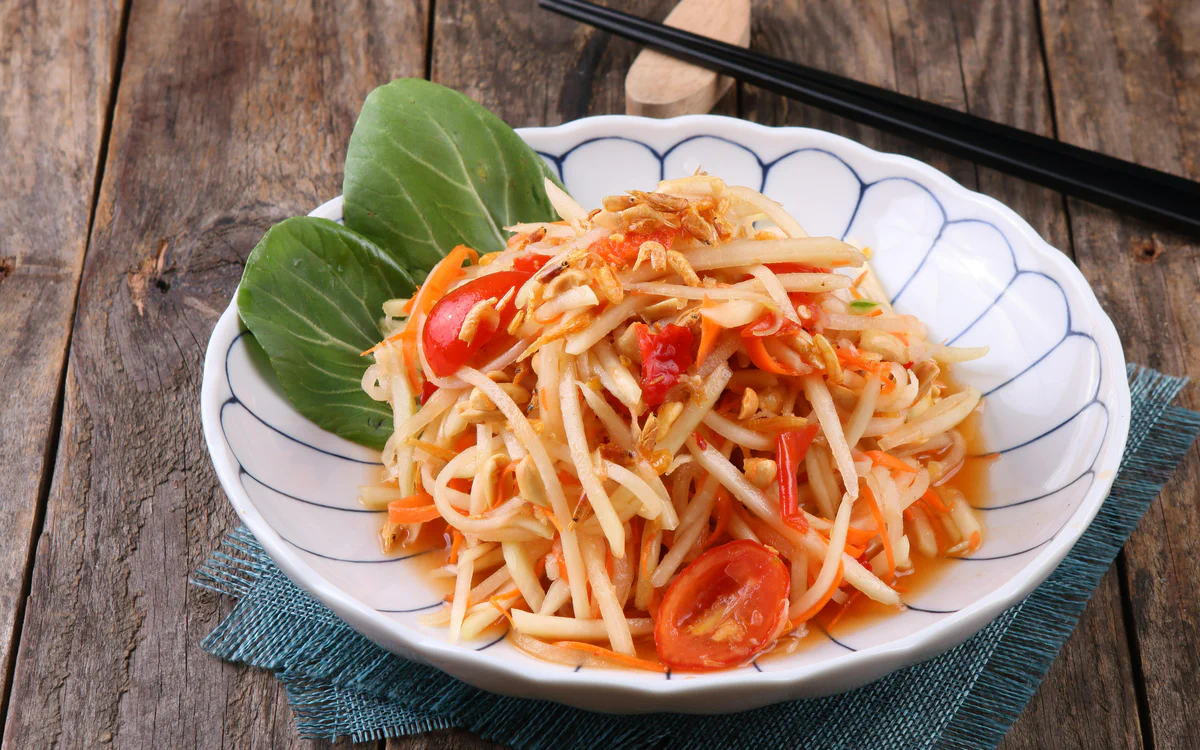
Bangkok Cooking Classes: Compare Thai Schools & Market Tours
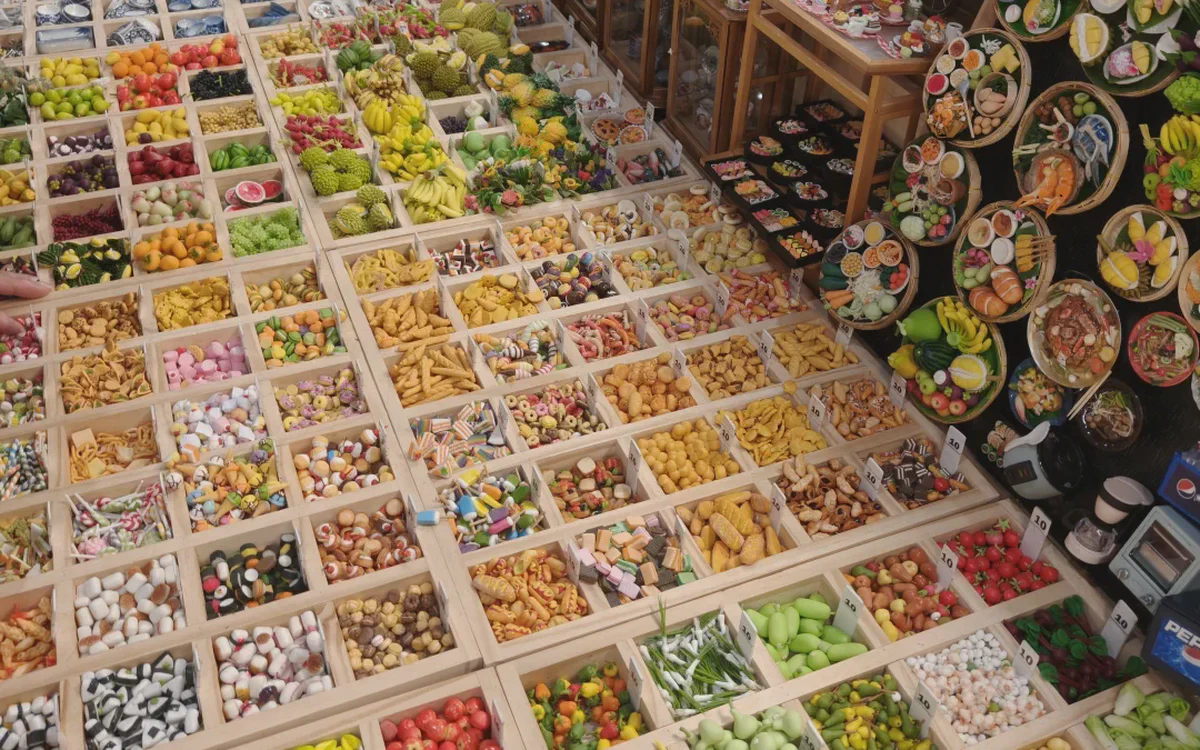
Bangkok Shopping Guide: Best Malls, Markets, Bargains & Logistics
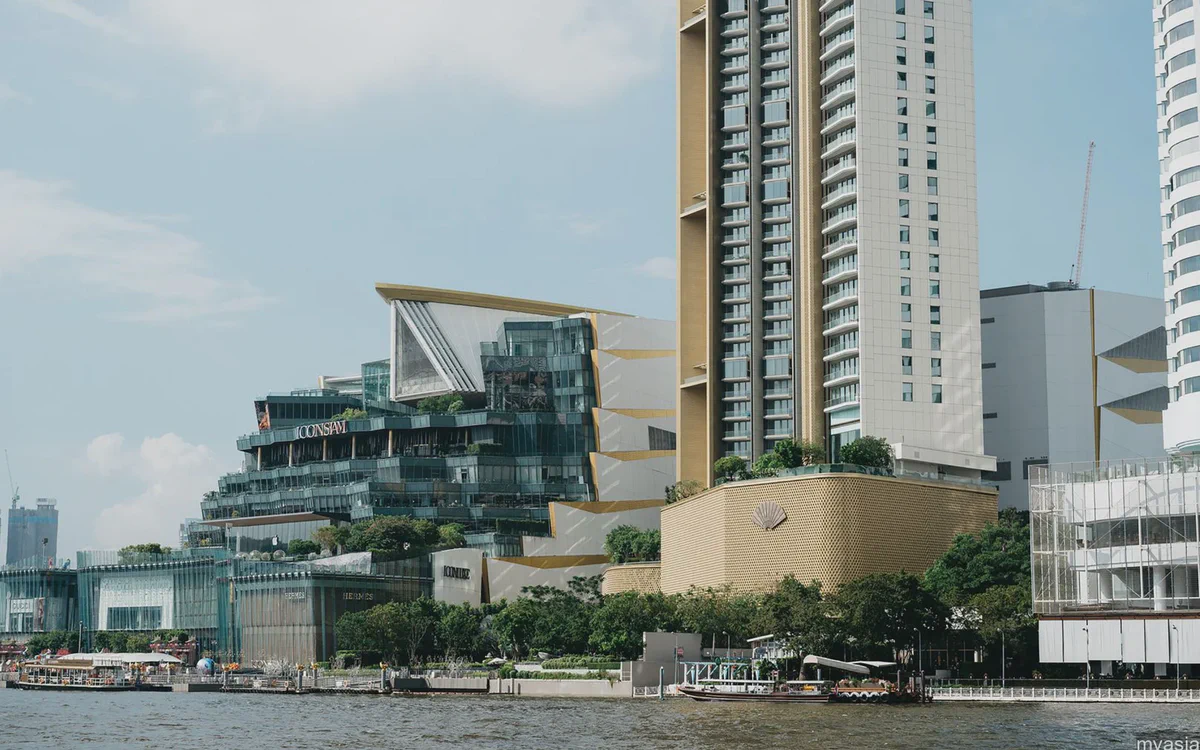
ICONSIAM Bangkok Guide: SookSiam, Boat & BTS Transport, Floors & Views
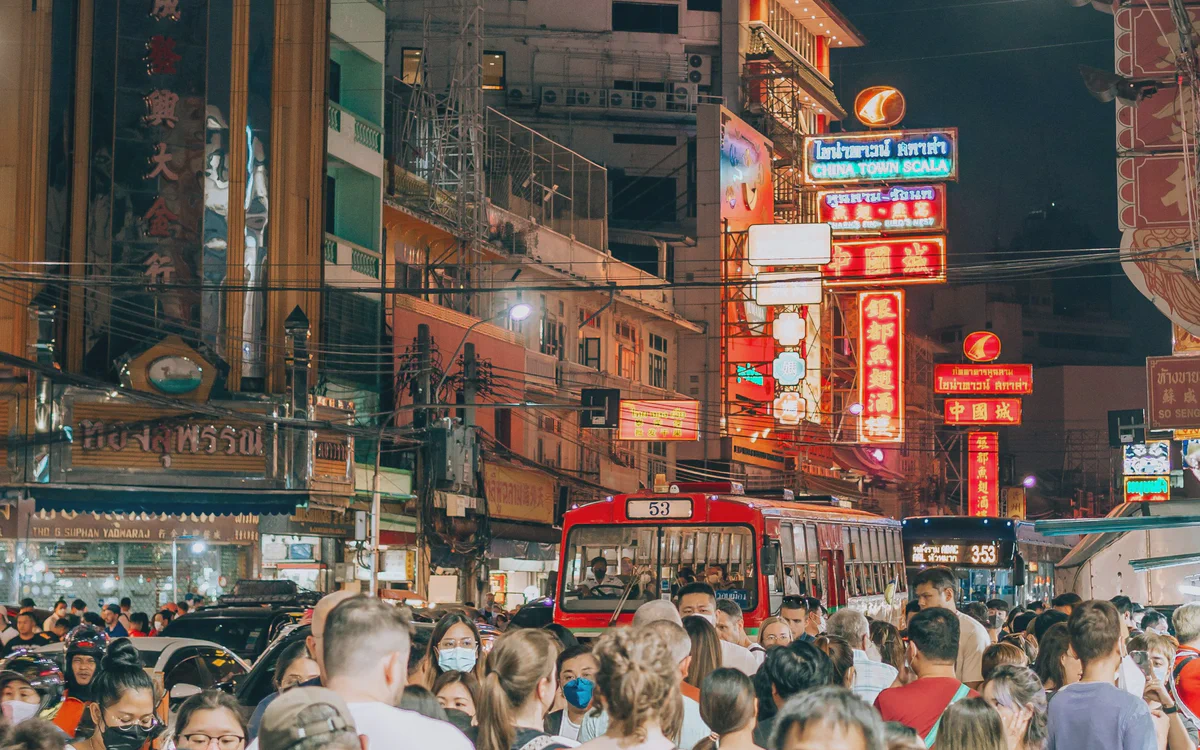
Khao San Road Guide: Nightlife, Food, Scams & Transport
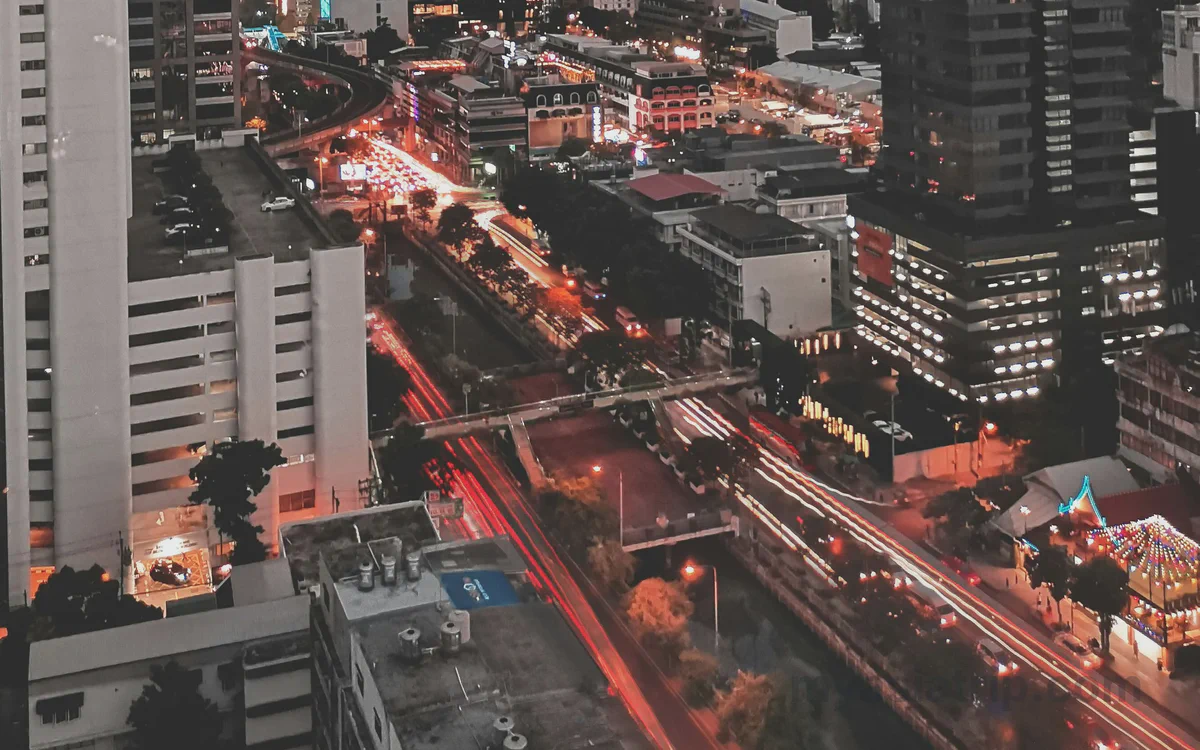
King Power Mahanakhon Guide: SkyWalk Tickets, Glass Tray Rules & Sunset Timing
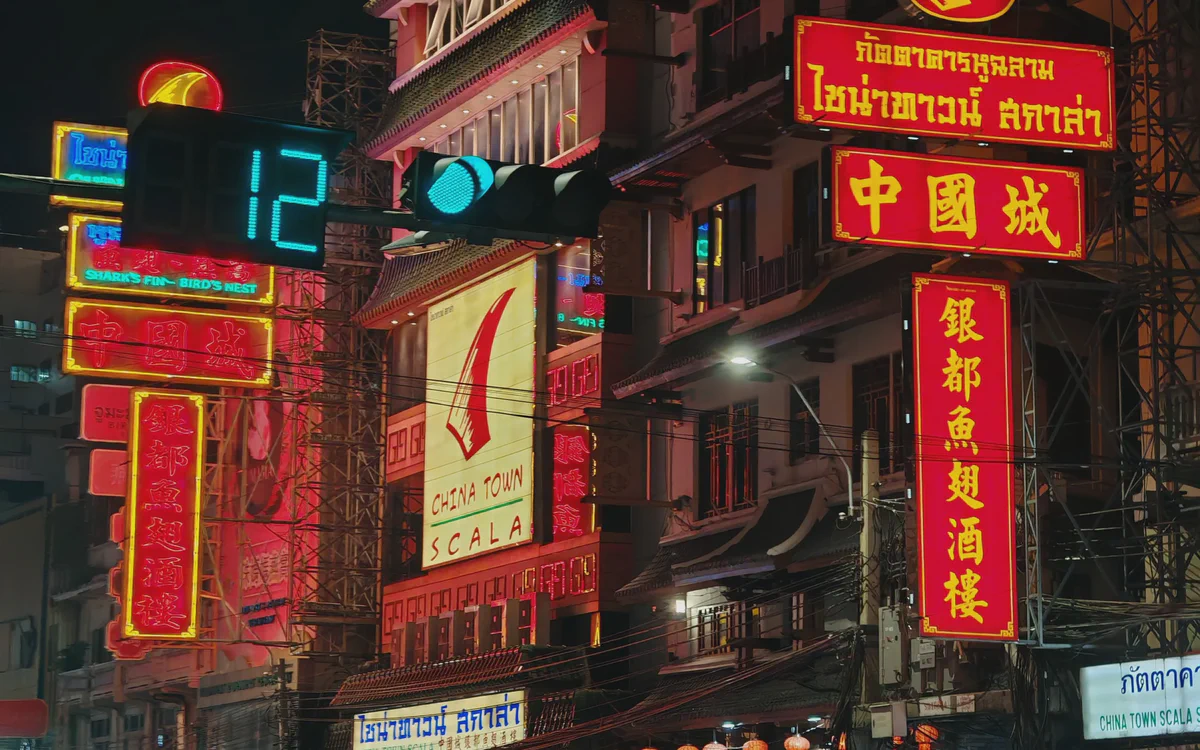
Bangkok Chinatown Guide: Food, Hours, MRT & Walking Routes
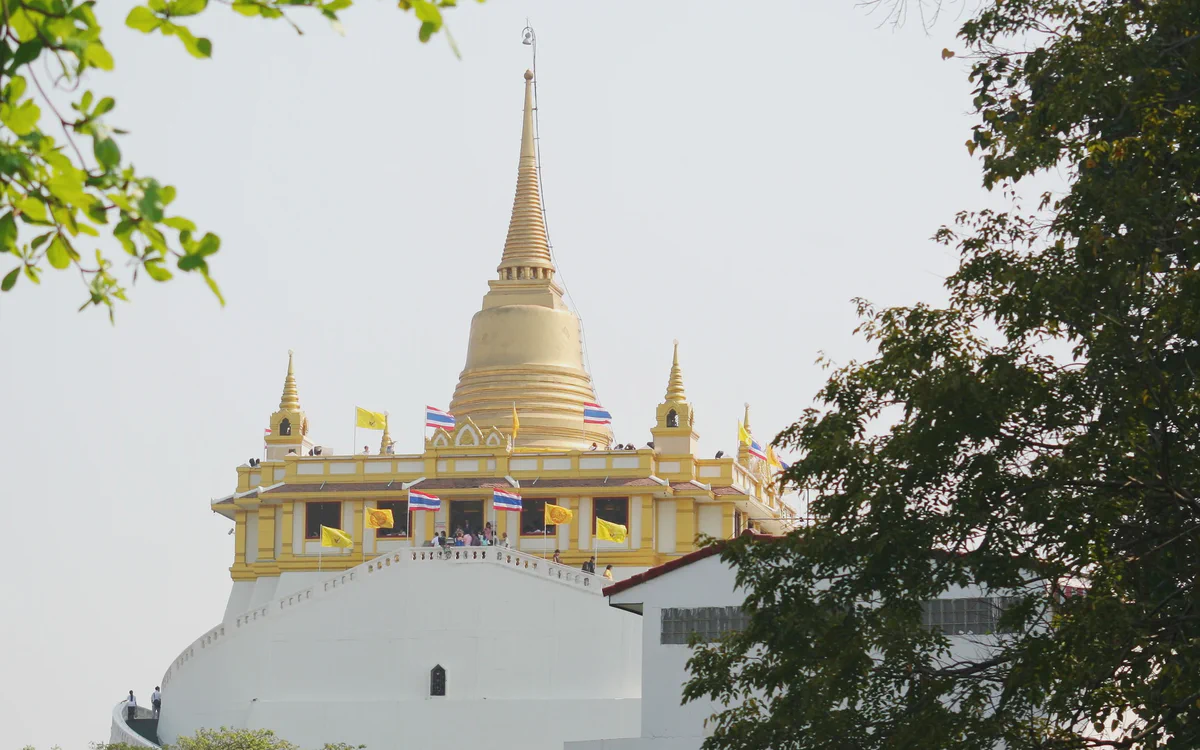
Wat Saket Golden Mount: Steps, Tickets and Photo Guide
Once you’ve got your daily geography sorted, you can start layering in your interests. Bangkok rewards those who mix one major sight with nearby food or a neighborhood walk; it punishes those who try to commute across the city for every single meal. The guides below are tools to help you make those combinations work.
Temples and historic Bangkok
Our Bangkok temples guide will help you decide between the grandeur of the Grand Palace and the quieter, more intimate alternatives. We have separate guides for the Grand Palace itself, including the practical dress code and transport details that can make or break your morning. Group your riverside temples into one early morning session and resist the urge to add a distant market just because it’s on a priority list.
Food
To cook as well as taste, compare Bangkok cooking classes by school location, menu and market-tour timing.
The Bangkok food guide focuses on iconic dishes and eating areas rather than a list of trendy restaurants that might be closed by the time you arrive. Chinatown, the local markets, and the high-end food courts all serve different purposes. Plan your food-led evenings near wherever you’ll be finishing your day. It’s much better to choose a busy stall with high turnover near your hotel than to spend an hour in a taxi for a single recommendation.
Markets and shopping
Use the Bangkok shopping guide to navigate mega-malls, wholesale fashion hubs, and neighborhood boutiques. For dedicated market trips, consult our Chatuchak Weekend Market guide for the big one, the night-markets guide for evening vibes, and our floating-markets comparison before you commit half a day to a road transfer. If you need a break from the sun for electronics or souvenirs, MBK Center offers a very different, air-conditioned indoor experience. Your market choice should depend on the day of the week and the current weather—always verify operating hours before you reshape your entire day around one venue.
For riverfront shopping and a cooling-down food stop, see ICONSIAM. It works best when your day is already near the river.
Nightlife and views
The Bangkok nightlife guide breaks down the different districts and the safety things you should know. If you’re after a view, our rooftop-bars guide compares the dress codes, locations, and how exposed they are to the elements. Consider choosing an evening spot close to your hotel, especially if you’re traveling during the peak-hour rush.
For specific evening choices, compare Mahanakhon SkyWalk tickets and timing or the Khao San Road neighborhood guide.
Families
Planning Bangkok with kids requires a different philosophy: one major activity per day, plenty of indoor backups, and short transfers. This isn’t just an adult “to-do” list with a few toys added. We emphasize protecting pool time and recovery windows. If the kids are happy, the trip works; if they’re overheated and stuck in traffic, nobody wins.
The essential planning guides
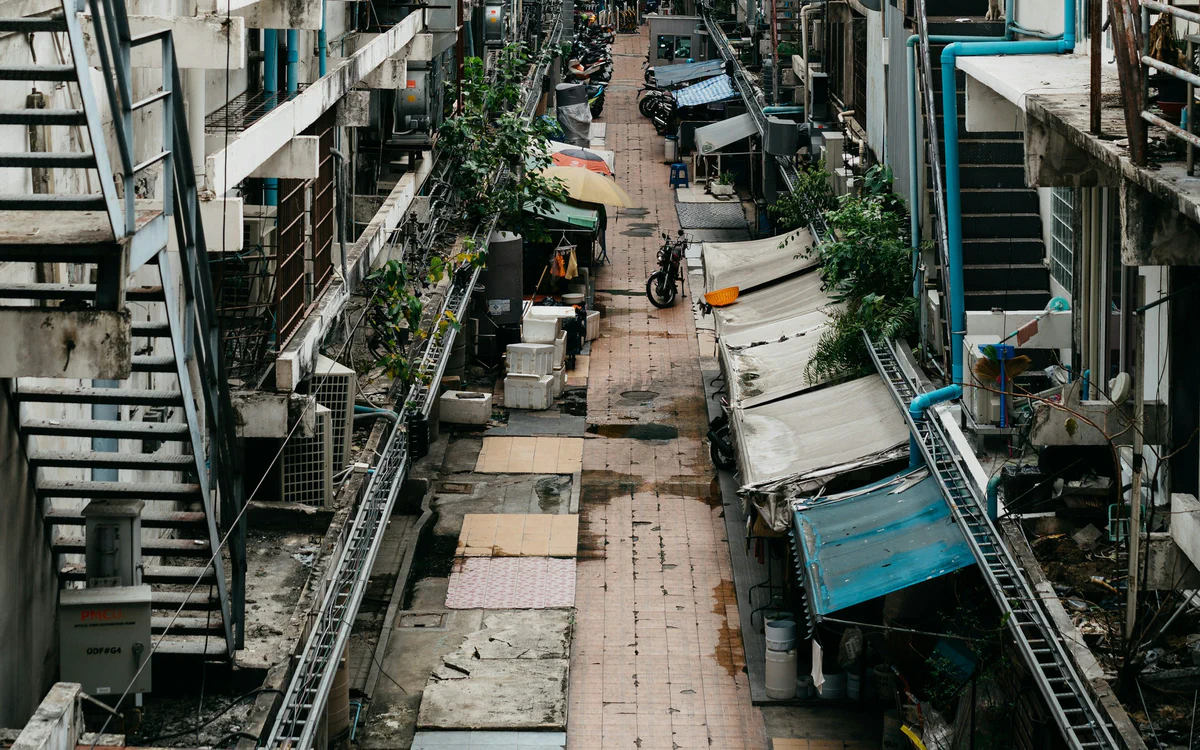
Where to Stay in Bangkok: Best Neighborhoods (2026)
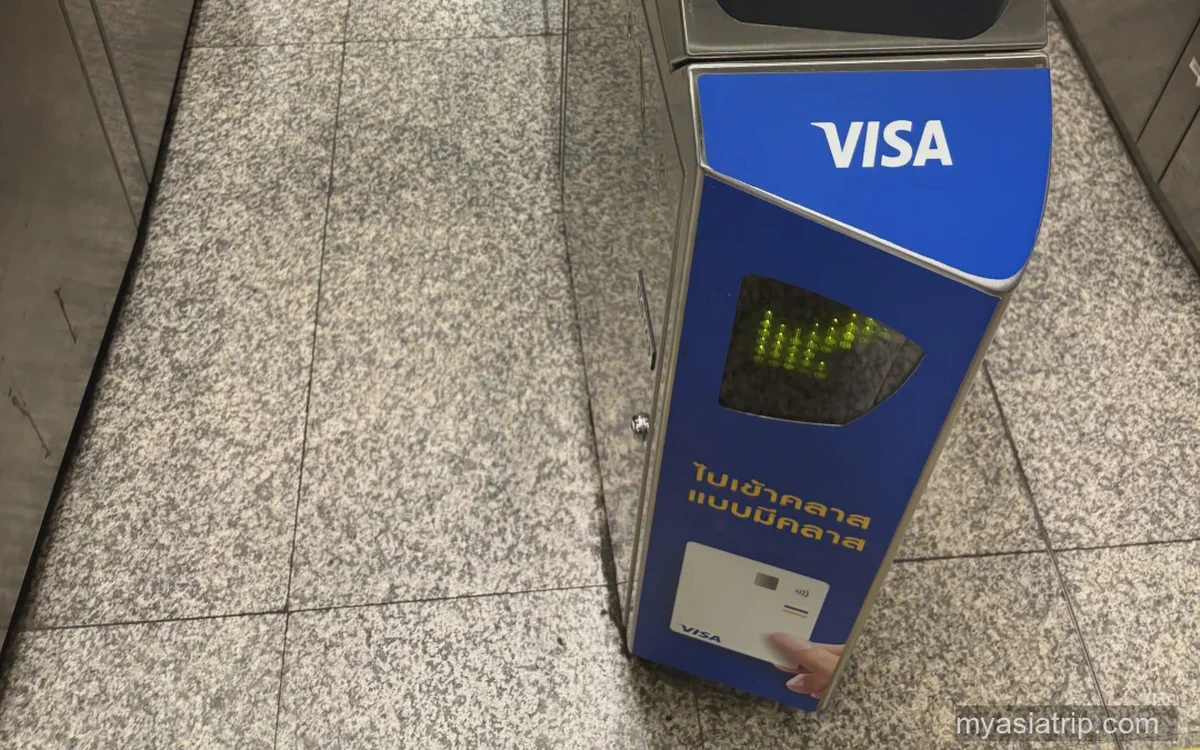
Getting Around Bangkok: BTS/MRT Map, Boats & Taxis
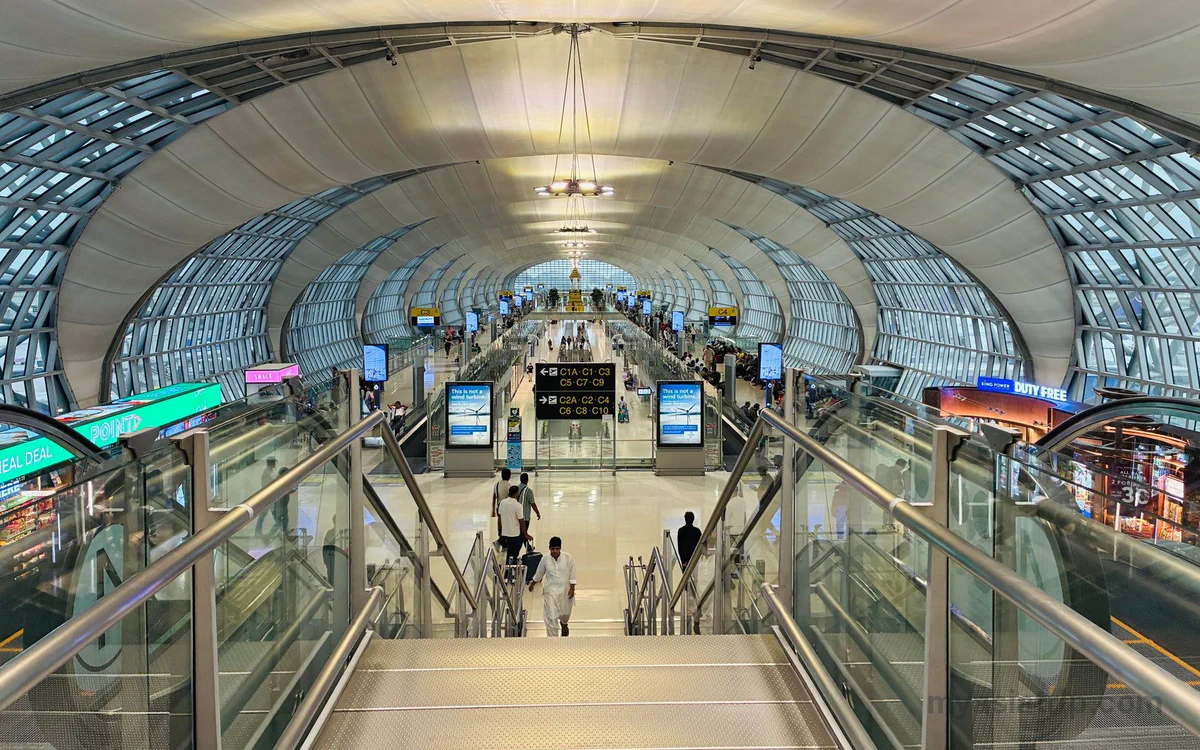
Suvarnabhumi Airport to Bangkok: Five Transport Options
Bangkok Weather & Best Time to Visit: Month-by-Month Guide

Bangkok Travel Cost: A Realistic Daily Budget for 2026
Chao Phraya River Boats & Cruises: Bangkok Ferry, Express & Dinner Cruise Guide
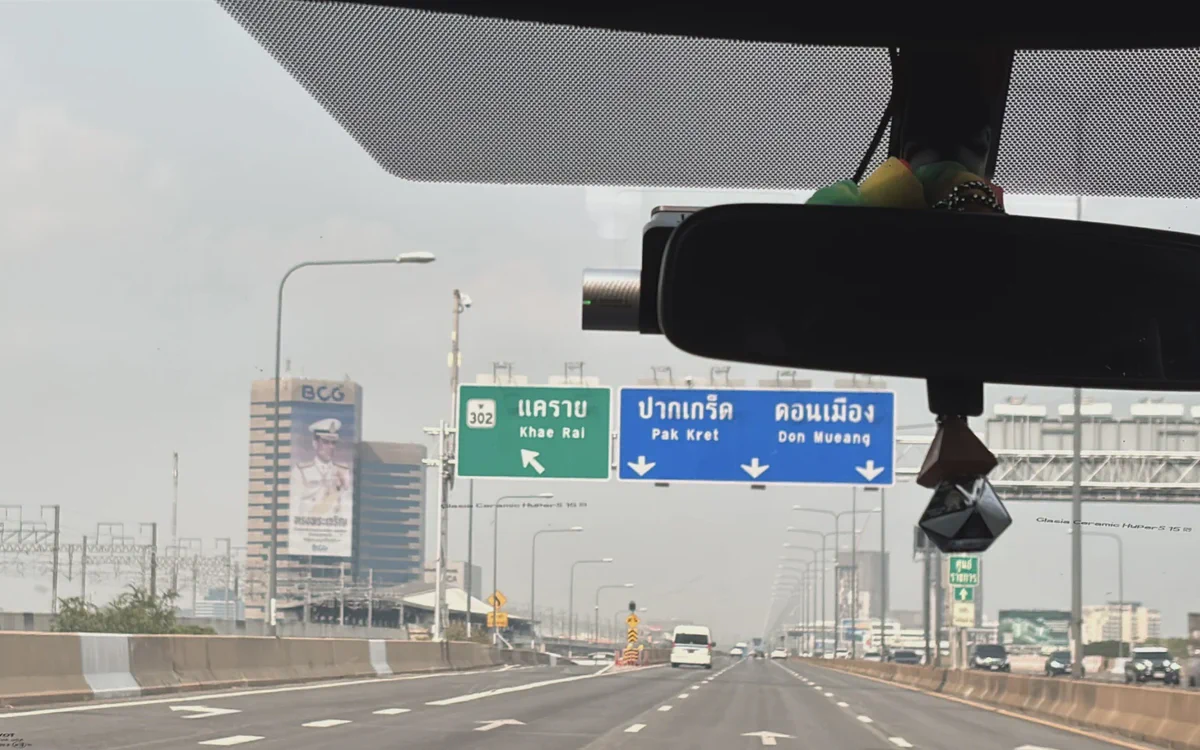
Don Mueang Airport to Bangkok: Train, Bus, Taxi & BKK Transfer
- Best things to do in Bangkok: Broad inspiration organized by the type of experience you want.
- Bangkok BTS/MRT map and transport guide: How to navigate separate rail systems, boats, taxis and the right exits.
- Suvarnabhumi Airport to Bangkok: Making the train vs. Taxi decision after you land at BKK.
- Chao Phraya river boats and cruises: Compare commuter boats, sightseeing passes and dinner-cruise ticket types.
- Bangkok weather by month: Understanding when the heat, rain, and air quality will dictate your plans.
- Bangkok travel costs: How to budget by category rather than relying on a single, misleading daily average.
Use these when they’ll actually change a booking or a route. The transit map matters before you pick your hotel; the airport guide matters once your flight is booked. Opening all of them at once just leads to “research fatigue” without actually producing a better trip.
Day trips from Bangkok
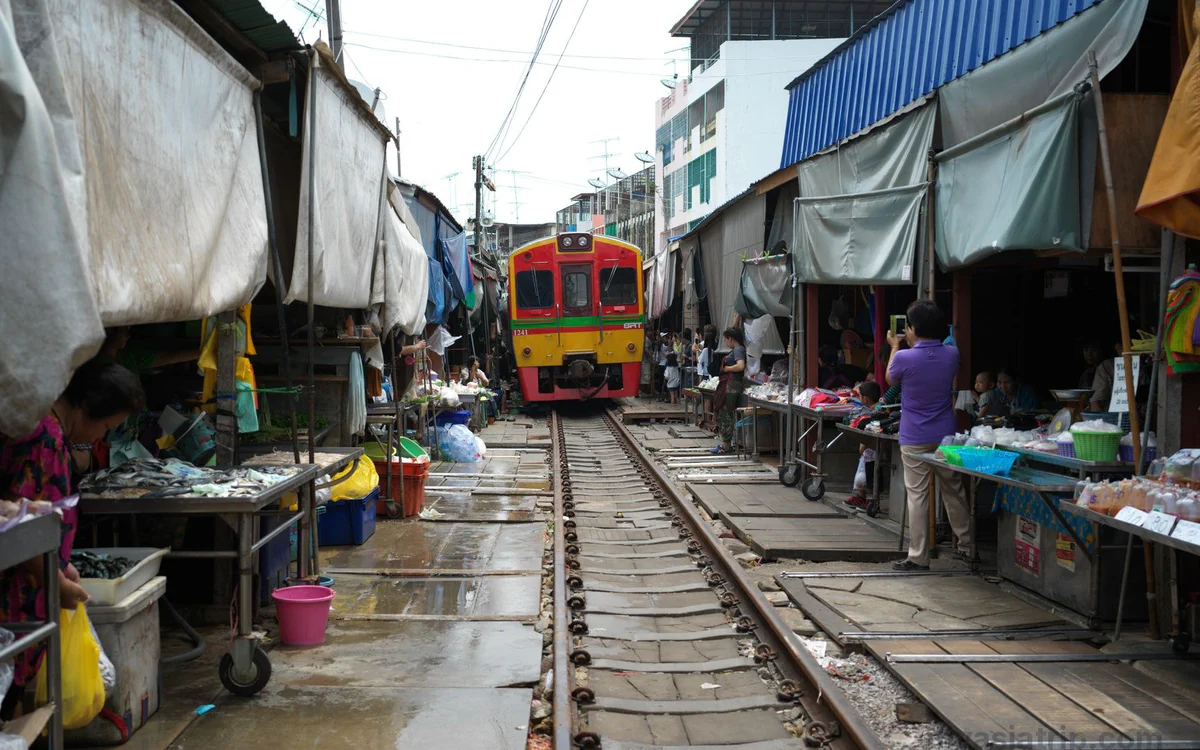
Ayutthaya Day Trip from Bangkok: Train, Tour or Taxi?
7 Best Day Trips from Bangkok: Time and Transport Compared
Ayutthaya is the strongest first day-trip option—it offers a clear change of scale and a deep dive into history. Our Bangkok day-trips guide compares the other options by the actual travel burden they involve. Don’t add a day trip just because your calendar has a gap; Bangkok itself has more than enough to keep you busy for five full days.
When evaluating a day trip, look at the door-to-door time, not just the map distance. An independent train journey, a private car, and a group tour will all feel like very different days. Keep your final evening near your return point and try to avoid placing an airport transfer immediately after a long road excursion.
A first-timer route that usually works
If you have three full days, consider one day for history, one for markets or the modern city, and one for neighborhood exploration. Keep your outdoor blocks in the early morning, return to your hotel when the heat or rain peaks, and choose your dinner spots based on where you finish your afternoon.
A common mistake is choosing famous places independently rather than grouping them by area. The Grand Palace, Chatuchak, and a Sukhumvit dinner are all great, but they don’t belong in the same day. Grouping your sights geographically is the only way to avoid spending your holiday in the back of a car.
Bangkok is hot—period. The official climate data reports a 28.9°C annual mean, and daytime highs are almost always above 32°C. That’s a constraint you have to work around. Put your exposed sights early, build in air-conditioned breaks, and keep your rain-day substitutions within the same part of the city to avoid unnecessary travel.
Before you leave this page
- Confirm whether your flight lands at BKK (Suvarnabhumi) or DMK (Don Mueang); the transfer networks are different.
- Check that your hotel is actually walkable to the station or pier it claims to be near.
- Verify live opening times on official attraction websites—don’t trust a year-old blog post.
- Pack a “temple kit” (shoulders and knees covered) in your day bag.
- Leave massive buffers for road transfers during the evening rush or heavy rain.
- Download offline maps and keep a physical backup of your bookings and emergency cash.
Build your first draft of the trip here. Use the detail pages only for the specific decisions you still need to make. A workable, realistic route is always more valuable than a perfect list of attractions.