
Singapore Food Guide: What and Where to Eat
Plan what and where to eat in Singapore, from signature dishes and local chains to hawker centres, Sentosa dining and Michelin restaurants.


Few cities in the world pack as much culinary diversity into a compact footprint as Singapore. In a single day, you can breakfast on charcoal-toasted bread slathered in coconut pandan jam beside retired neighborhood regulars, eat a Michelin-recognized plate of fragrant chicken rice in a buzzing, open-air public pavilion for five dollars at lunch, and sit down to an inventive multi-course tasting menu spotlighting contemporary Southeast Asian produce by night.
The island’s food landscape is not an accidental melting pot; it is the living result of maritime trade routes, multi-generational migration, and strict urban sanitation planning. Chinese regional traditions (Hokkien, Teochew, Cantonese, Hainanese, and Hakka), Malay spices and cooking pastes, South and North Indian aromatics, and Peranakan (Straits Chinese) heritage converge here with distinct clarity. You will taste it in the wok hei (breath of the wok) charring flat rice noodles, the earthy warmth of galangal and crushed candlenuts simmered in coconut broth, the intense pepper kick of slow-boiled pork ribs, and the crisp, buttery layers of griddled flatbread dipped into rich dhal. Eating well here does not require chasing impossible viral queues across town. It simply requires matching the right dish to the right dining format, neighborhood, and time of day while accounting for tropical humidity, peak crowd surges, and realistic transit legs.
Singapore’s Signature Dishes: Flavor Profiles, Meal Moments, and Where to Find Them
Understanding what to order begins with recognizing how local flavors map across different dining moments. While almost any dish can be found from dawn to dusk somewhere on the island, certain foods shine brightest during specific meals and under specific dining conditions.
| Signature Dish | Flavor Profile & Texture | Best Meal Moment | Spice & Dietary Caveat | Where Commonly Found |
|---|---|---|---|---|
| Hainanese Chicken Rice | Poached silky chicken or roasted crisp skin, fragrant garlic-ginger rice, savory broth | Lunch or early dinner | Mild baseline; chilli-ginger dip adds sharp heat. Chicken broth used in rice. | Hawker centres, kopitiams, dedicated specialty restaurants across all districts |
| Laksa (Katong Style) | Rich, aromatic coconut curry broth, short thick rice noodles, prawns, fish cakes, cockles | Late morning or lunch | Medium to high spice; contains shellfish, shrimp paste, and dairy/coconut. | Katong/Joo Chiat, central hawker centres, local noodle stalls |
| Chilli Crab / Black Pepper Crab | Mud crab in sweet-savory egg-ribbon tomato-chilli gravy, or intense dry-tossed cracked black pepper | Planned group dinner | Medium spice; messy eating; requires handling whole shell; contains crustacean shellfish. | Coastal seafood restaurants, riverside dining rooms, specialist seafood institutions |
| Bak Kut Teh (Teochew Style) | Tender pork ribs simmered in a clear, fiercely peppery garlic-infused broth | Breakfast or restorative rainy-day lunch | High pepper heat (non-chilli); contains pork; often paired with fried crullers and offal. | Specialist heritage shops, casual local chains, central food hubs |
| Kaya Toast Set | Crisp charcoal toast with cold butter and coconut-egg jam, soft-boiled eggs, dark soy, white pepper | Traditional breakfast or mid-afternoon tea | Completely mild and sweet-savory; contains eggs, gluten, and dairy butter. | Neighborhood kopitiams, heritage coffee stalls, ubiquitous island chains |
| Nasi Lemak | Fragrant coconut-pandan rice, crisp fried chicken wing or fish, fried anchovies, peanuts, cucumber, sweet sambal | Breakfast or quick casual lunch | Medium spice via sambal; contains fish products (anchovies/belacan paste). | Morning hawker stalls, Malay coffee shops, dedicated casual diners |
| Roti Prata / Murtabak | Crisp, flaky griddled flatbread plain or stuffed with spiced mutton/chicken, served with curry dip | Late-night supper or leisurely breakfast | Mild to medium spice depending on accompanying fish or mutton curry; vegetarian dhal available. | Indian Muslim 24-hour eateries, Little India, Kampong Glam |
| Char Kway Teow | Smoky, dark-soy wok-fried flat rice noodles with egg, Chinese sausage, cockles, bean sprouts, pork lard | Lunch or casual dinner | Mild to medium spice; high grease and carbohydrate load; traditionally contains pork lard and shellfish. | Hawker centres with dedicated wok specialists |
| Hokkien Mee | Braised yellow noodles and thick bee hoon in rich prawn and pork stock with squid, pork belly, sambal, lime | Lunch, dinner, or late supper | Mild dish baseline; sambal served on the side allows personal spice control; contains pork and shellfish. | Hawker centres and specialist evening stalls island-wide |
| Satay | Skewered marinated chicken, beef, or mutton charcoal-grilled with smoky char, served with spiced peanut gravy | Evening snack, appetizer, or shared supper | Mild to medium; gravy contains peanuts; accompanied by raw onion, cucumber, and compressed rice cakes (ketupat). | Lau Pa Sat Satay Street, East Coast Lagoon Food Village, evening hawkers |
| Cendol / Ice Kacang | Shaved ice mountain topped with coconut milk, palm sugar (gula melaka), green pandan jellies, red beans, sweet corn | Mid-afternoon heat respite | Completely non-spicy; sweet; contains legumes and coconut milk; cooling dessert. | Hawker dessert stalls, food courts, traditional sweet shops |

Hainanese Chicken Rice: The Nuance of Simplicity
Hainanese chicken rice looks simple, which is exactly why weak versions have nowhere to hide. White chicken is gently poached for silky meat and supple skin; roasted chicken brings a darker, savory skin and firmer bite. The rice matters just as much as the bird: it should be fragrant with chicken stock, ginger and garlic without feeling greasy. Add the chilli sauce and ginger paste a little at a time so they sharpen rather than drown the chicken.
Tian Tian Hainanese Chicken Rice, which began at Maxwell Food Centre in 1986, is the reference most first-time visitors recognize. It is worth trying when you are already touring Chinatown, but its queue can absorb a hot lunch hour. Chicken rice is an island-wide daily food, not a single-stall pilgrimage: if children are fading or the line is barely moving, a busy nearby specialist with freshly cut chicken is often the better travel decision.

Laksa: Peranakan Spice Architecture
Katong-style laksa builds heat in layers rather than delivering a single chilli blast. A fried rempah of chilli, shallot, galangal, lemongrass, candlenut and belacan is rounded by coconut milk, then paired with short rice noodles, fish cake, prawns and sometimes cockles. The noodles are traditionally cut so the whole bowl can be eaten with a spoon. Shellfish, shrimp paste and coconut are integral to most versions, so this is not a dish to order casually when allergies are involved.
328 Katong Laksa is a useful, well-known reference if a Joo Chiat or Katong walk is already in your plan. There is little reason to cross the island only to compare one famous bowl: choose a specialist with a lively turnover, ask for less sambal if needed, and expect the warm, coconut-rich broth to feel especially intense at midday.

Bak Kut Teh: The Fierce Teochew Broth
Singapore’s dominant Teochew bak kut teh is pale and unapologetically peppery, quite different from the darker, herbal broths many travelers know from Malaysia. Pork ribs simmer with white pepper and garlic until the meat loosens from the bone; dark soy with sliced chilli, rice, preserved vegetables and youtiao turn the soup into a full meal. Dip the fried dough briefly so it absorbs broth but keeps some crunch.
Song Fa Bak Kut Teh grew from a pushcart on Johor Road in 1969 and remains an approachable first taste of this style. Its air-conditioned branches are useful with children or during a downpour, though menus and queues vary by outlet. The signature order is the peppery pork-rib soup; ask about refills rather than assuming every branch handles them in exactly the same way.

Kaya Toast, Soft-Boiled Eggs, and Kopi: How Singapore Breakfast Works
A traditional breakfast set is a small lesson in sweet-salty balance: thin crisp toast spread with coconut-egg kaya and slabs of cold butter, two barely set eggs, and a cup of strong kopi or tea. Crack the eggs into the saucer or bowl, season them with dark soy sauce and white pepper, stir lightly, then dip the toast into the egg. That is the intended pleasure, not poor table manners.
Ya Kun Kaya Toast traces its story to Loi Ah Koon’s coffee stall at Telok Ayer Basin in 1944. Its many branches make the ritual easy for a first visit, with clear set menus and predictable service; a neighborhood kopitiam will often feel less standardized and more rooted in daily life. Travelers who are pregnant, elderly, immunocompromised or otherwise vulnerable may prefer to request fully cooked eggs.

Where to Eat Across Price Tiers and Occasions
Choosing where to eat in Singapore is less about finding a single “best restaurant” and more about matching your setting to your party’s energy, tolerance for tropical heat, and budget.
1. Hawker Centres: The Heart of Community Dining
Singapore’s hawker centres represent the island’s primary social dining framework—a cultural practice formally inscribed on the UNESCO Representative List of the Intangible Cultural Heritage of Humanity in 2020. These government-regulated, semi-open pavilions house rows of independent stallholders, each specializing in one or two signature dishes perfected over decades.
Hawker centres usually provide the lowest-cost full meals in the city, although seafood, large portions and famous stalls can cost more. The environment is vibrant, noisy, and warm, cooled only by high-volume ceiling fans. They are ideal for solo travelers, couples, and groups willing to split up to order different specialties from separate stalls. For a detailed breakdown of stalls, layouts, and cleaning schedules, explore our dedicated Singapore hawker centres guide.
2. Kopitiams (Traditional Coffee Shops)
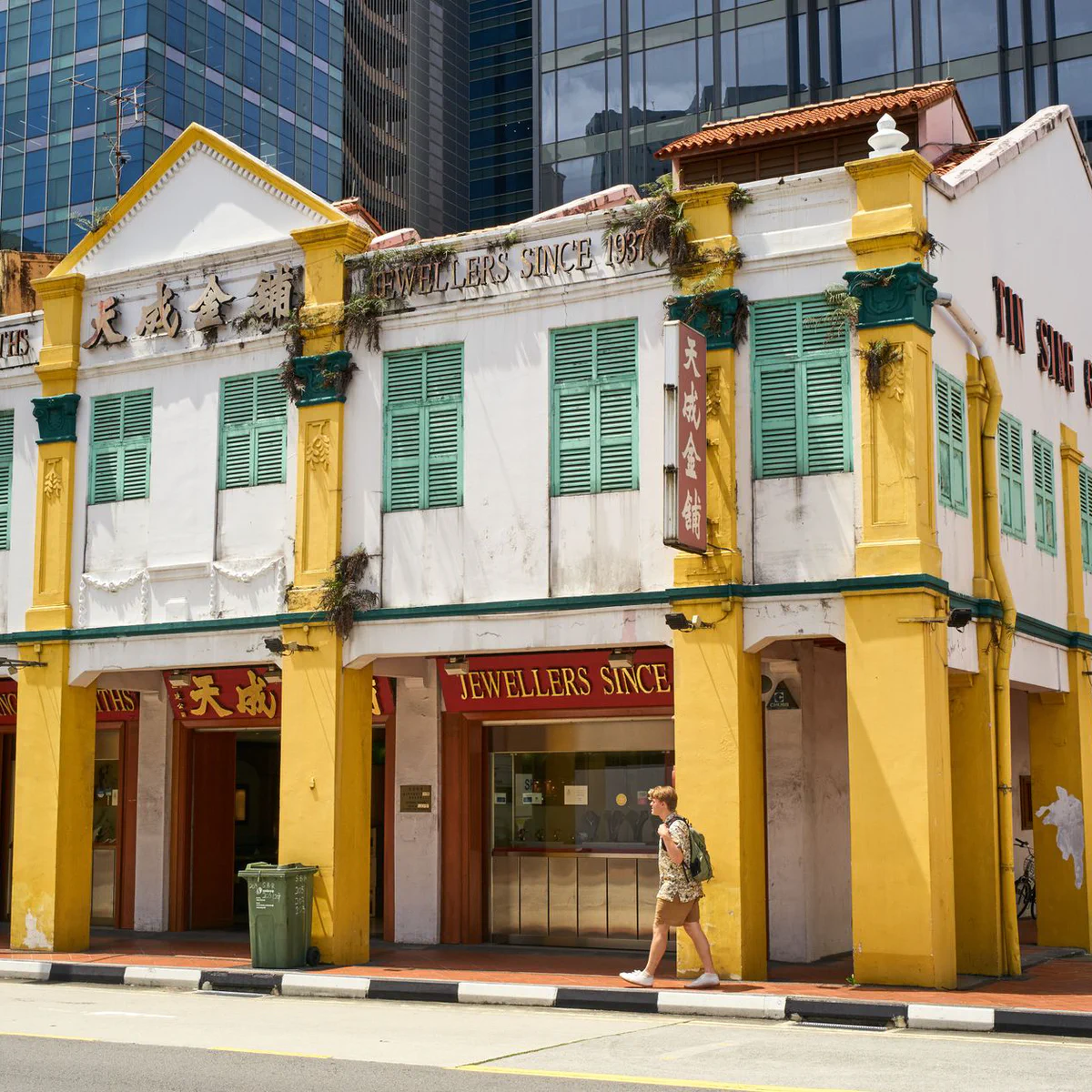
A kopitiam (combining the Malay word for coffee and the Hokkien word for shop) is a traditional neighborhood coffee shop, typically occupying the ground floor corner of a heritage shophouse or a public housing estate (HDB) block. Unlike vast hawker centres, a kopitiam usually contains a central drink stall run by the master tenant and three to six rented food stalls selling breakfast staples like kaya toast, prawn noodles, or wanton mee. Kopitiams provide a slower, intimate neighborhood pulse and make excellent spots for an unhurried morning kopi (coffee) or teh (tea).
3. Air-Conditioned Food Courts
Located within the basements or upper levels of shopping malls across Orchard Road, Marina Bay, and suburban MRT hubs, modern food courts offer a comfortable middle ground. Outlets such as Food Republic, Koufu, and Kopitiam (the brand) curate recognizable hawker-style dishes inside fully air-conditioned spaces with cushioned seating and centralized tray clearing. Expect to pay more than at an open-air hawker centre in exchange for air conditioning, easier seating and shelter from heavy rain.
4. Dependable Local Casual Chains and Mid-Range Classics
Familiar names are useful when the group is overheated, carrying shopping bags, or unwilling to gamble on a long queue. Treat them as reliable reference points, not a checklist that requires crossing the island:
- Ya Kun Kaya Toast: The easiest introduction to the kaya-toast, soft-egg and kopi set, with widespread branches and quick service.
- Song Fa Bak Kut Teh: A comfortable, often air-conditioned way to try peppery Teochew pork-rib soup; check the branch menu and queue before committing.
- 328 Katong Laksa: A sensible stop when you are already exploring Katong or Joo Chiat, not a reason to add a separate cross-city transfer.
- Tian Tian Hainanese Chicken Rice: A famous Maxwell hawker stall rather than a chain. Go early or accept the queue; nearby chicken-rice alternatives may be the kinder choice for a tired family.
- Jumbo Seafood: A group-friendly, sit-down option for chilli or black-pepper crab. Confirm the live seafood weight, price and portion before the kitchen starts cooking.
5. Scenic and Destination Skyline Dining
For celebratory evenings, Singapore’s skyline architecture offers dramatic vantage points. Rooftop dining venues around Marina Bay, such as Ce La Vi atop Marina Bay Sands, Spago, or LeVeL33 in the Marina Bay Financial Centre, pair panoramic harbor views with contemporary Western and Asian-influenced menus. Check the current menu, minimum spend, dress code and weather policy before reserving a terrace table; the view can carry a substantial premium.

High-End Gastronomy: The Fine Dining Shortlist
Singapore supports a serious fine-dining scene alongside its everyday food culture. If a tasting menu matters to a fixed celebration date, check the restaurant’s own calendar early and reserve as soon as its next booking window opens.
| Restaurant | Style & Accolades | Location | Ambiance & Practical Requirements |
|---|---|---|---|
| Les Amis | French Haute Cuisine · 3 Michelin Stars (2026) | Shaw Centre, Orchard | Formal temple of classical gastronomy; smart-casual dress code (jackets preferred); children aged 10+ only; strict cancellation fees apply. |
| Odette | Modern French Gastronomy · 3 Michelin Stars (2026) | National Gallery Singapore | Elegant pastel-hued fine dining room inside historic museum building; refined ingredient sourcing; book exactly when monthly calendar opens. |
| Zén | Nordic-Japanese Tasting Journey · 3 Michelin Stars (2026) | Bukit Pasoh Road, Chinatown | Multi-story immersive tasting experience across three floors of a restored shophouse; high fixed deposit required upon booking. |
| Labyrinth | Contemporary Mod-Sin · 1 Michelin Star (2026) | Esplanade Mall, Marina Bay | Deconstructed, playful interpretations of Singapore street dishes using local produce; air-conditioned with wheelchair access. |
| Burnt Ends | Modern Australian Wood-Fired BBQ · 1 Michelin Star (2026) | Dempsey Hill | Intimate, high-energy open kitchen counter; seats release monthly at midnight; among the island’s hardest reservations to secure. |
| Candlenut | Elevated Heritage Peranakan · 1 Michelin Star (2026) | Dempsey Hill | World’s first Michelin-starred Peranakan restaurant; airy colonial setting; offers refined “Ah-ma-kase” tasting menus and à la carte options. |
Exploring Food by District
Navigating Singapore’s culinary geography works best when anchored to the historic neighborhoods already on your sightseeing route.

1. Chinatown: Heritage Density and Hawker Mazes
Chinatown blends street-level snack vendors with multi-story hawker centres. The massive Chinatown Complex Food Centre houses a very large number of stalls on its second floor, covering everything from claypot rice and handmade fishball noodles to craft beer taps. Nearby Maxwell Food Centre draws steady crowds for Tian Tian Hainanese Chicken Rice, Zhen Zhen Porridge, and crispy oyster cakes. Plan your meals here for late morning (around 11:15 AM) to secure seating before nearby office workers flood the floor at noon.
2. Little India: Spice, Thalis, and Roti Prata
Little India is an intense sensory district packed with South and North Indian flavors. At Tekka Centre, mornings are alive with vendors flipping hot roti prata, ladling spiced mutton murtabak, and serving fragrant dum biryani on banana leaves. For seated vegetarian dining, long-established restaurants along Serangoon Road serve crisp paper dosas, thali platters with endless vegetable curry refills, and rich mango lassis.
3. Kampong Glam: Malay Spices and Middle Eastern Grills
Centered around the landmark Sultan Mosque, Kampong Glam offers a rich selection of Malay and Indonesian cuisines. Stalls and casual diners along Arab Street and Bussorah Street specialize in nasi padang—steamed rice paired with dishes like slow-cooked beef rendang, sambal goreng, and sayur lodeh. Nearby heritage bakery windows display traditional curry puffs and sweet Malay kueh, while adjacent Haji Lane caters to modern cafe hoppers.
4. Katong and Joo Chiat: The Peranakan Epicenter
East Coast’s Katong and Joo Chiat neighborhood is the spiritual home of Straits Chinese food. Shophouses along East Coast Road house legendary laksa rivalries, traditional popiah skin makers, and bakeries specializing in Nyonya kueh chang (glutinous rice dumplings packed with spiced pork and candied winter melon). While slightly further from the city center, it pairs seamlessly with a relaxed cycling trip or an architectural walking tour.
5. Orchard Road: Polished Food Halls and Department Store Basements
When shopping along Orchard Road, bypass fast-food franchises in favor of upscale department store basement food halls (such as Takashimaya and Isetan Scotts) or heritage restaurant hubs in Shaw Centre and Paragon. It is the premier district for upscale dim sum lunches, Japanese omakase counters, and refined casual dining.
6. Marina Bay: Waterfront Dining and Satay Evenings
Marina Bay offers high-impact evening dining. You can transition from fine dining dining rooms inside Marina Bay Sands to open-air satay stalls at Lau Pa Sat or Makansutra Gluttons Bay, enjoying views of the illuminated waterfront while sampling barbecued chicken wings, sambal stingray, and grilled prawns.
A Realistic Three-Meal Singapore Food Trail
Rather than crisscrossing the island and exhausting your party in midday transit, structure your dining around geographically logical clusters. Combine this with our Singapore 3-day itinerary for a balanced sightseeing flow.
- Breakfast in Tiong Bahru (08:30 AM): Begin at Tiong Bahru Market on the second floor. Order a traditional kaya toast set paired with a cup of rich kopi-o (black coffee with sugar), or try chwee kueh—steamed cup-shaped rice cakes topped with savory preserved salted radish (cai po) and chilli paste. Stroll the surrounding Art Deco residential estate before the sun peaks.
- Lunch in Chinatown (12:00 PM): Take the MRT or a short taxi ride to Chinatown Complex or Maxwell Food Centre. Order a plate of poached Hainanese chicken rice, a side of vegetable popiah (fresh spring rolls), and fresh sugar cane juice with a squeeze of lemon.
- Dinner in Kampong Glam (06:30 PM): Wrap up your day near Sultan Mosque. Share a plate of smoky beef murtabak at a historic Indian Muslim restaurant, sample charcoal-grilled chicken and mutton satay with spiced peanut gravy, and finish with a frothy glass of teh tarik (pulled milk tea).
Sentosa Dining Strategy: Family Fuel, Resort Dining, and Occasion Meals
Dining on Sentosa island requires a distinct approach compared to mainland Singapore. Because attractions and beaches are spread across resort zones, wandering around looking for spontaneous meals can lead to overpriced tourist traps, long waits, and cranky children.
| Dining Category | What to Expect | Recommended Venues & Locations | Practical Planning Strategy |
|---|---|---|---|
| Quick Family Meals | High-turnover casual fare, familiar kid-friendly staples, and local fast-casual options. | Malaysian Food Street (Resorts World Sentosa), basement eateries at Festive Walk. | Eat slightly before standard lunch rush (11:30 AM) to secure tables before theme park crowds spill out. |
| Resort Casual Dining | Air-conditioned hotel cafes, poolside bistros, and international family buffet spreads. | Hotel restaurants across Sentosa beachfront resorts, Quayside Isle at Sentosa Cove. | Ideal when pushing strollers or managing midday heat fatigue; check hotel reservation desks for non-guest seating. |
| Occasion Fine Dining | Michelin-caliber gastronomy, waterfront luxury dining rooms, and chef-led concepts. | Destination venues inside Resorts World Sentosa and luxury beach clubs at Tanjong Beach. | Check the live Resorts World Sentosa Dining Directory; book dinner slots weeks in advance. |
If you are spending the entire day at Sentosa’s theme parks or beaches, avoid leaving the island just to eat lunch. Instead, head to Malaysian Food Street inside Resorts World Sentosa for air-conditioned hawker classics like claypot chicken rice and Penang char kway teow, then reserve a relaxed sit-down dinner either along Sentosa Cove or back on the mainland along the Singapore River.
Guided Food Tours vs. Independent Exploring
Guided food walks offer cultural storytelling and curated tastings without the burden of navigating stall ordering rules alone. Compare formats based on your group size, language needs, and walking capacity:
| Recommended Food Experience | Tour Format & Highlights | Best Suited For | Key Operational Trade-Offs |
|---|---|---|---|
| 3.5-Hour Chinatown Hawker Exploration | Multilingual guide; covers Maxwell, Hong Lim, and Smith Street historic stalls. | First-time visitors wanting cultural history alongside multi-hawker tastings. | Moderate walking in heat; set stall stops may not adjust easily for severe shellfish allergies. |
| 3-Hour Chinatown Tasting Route | English, Mandarin, or Japanese options; minimum two-person departure. | Travelers prioritizing specific language guides and a tighter, focused duration. | 48-hour cancellation policy; menu pre-set by operator based on daily market availability. |
| 5–6-Hour Central & East Coast Food Journey | Join-in or private; traverses Chinatown, Little India, and Katong/Joo Chiat. | Dedicated foodies who want broad regional coverage without managing public transit legs. | Full-day stamina required; not recommended for families with toddlers or strollers. |
| Private 3-Hour Evening Tasting Walk | Private custom pace; five curated heritage food tastings in historic quarters. | Couples, families with children, or small groups desiring personalized pace and conversation. | Higher upfront cost per person; must specify dietary restrictions during booking. |
| 2-Hour Little India Tasting & Photography Walk | Guided morning walk; at least five Indian tastings paired with street photography tips. | Travelers wanting immersive cultural context, vegetarian variety, and quality photos. | 7-day cancellation window; concentrated walking through crowded market aisles. |
| 3-Hour Geylang Night Food Discovery | Small-group evening tour covering dim sum, herbal soups, and durian tasting. | Adventurous eaters curious about Singapore’s a less-central late-night food district. | Pay-as-you-go food model requires carrying cash; addresses mature neighborhood themes. |
| Independent Hawker Exploration | Self-guided meal at a chosen single hawker centre or neighborhood market. | Budget-conscious travelers, solo eaters, or groups with unpredictable schedules. | Must manage own queues, cash payments, table chope etiquette, and stall rest days. |
Dining Etiquette, Ordering Rules, and Practical Tips
1. Payment: Cash vs. Digital Systems
While Singapore is globally recognized for digital efficiency, public hawker stalls and traditional coffee shops operate primarily via cash and Singapore-standard QR systems (SGQR / PayNow / NETS). Most international bank cards, Apple Pay, and foreign mobile wallets will not function at individual hawker stalls. Always carry SGD 2, SGD 5, and SGD 10 notes along with small coins. For air-conditioned restaurants, cafes, and supermarkets, Visa and Mastercard are universally accepted.
2. The Art of “Chope” (Table Reservation)
In crowded hawker centres and open-air food courts, seating is unreserved and fiercely contested during peak meal times. Locals reserve tables before ordering food by placing an inexpensive personal item on the table surface—most famously a small packet of tissue paper, but occasionally an umbrella, lanyard, or water bottle. If you spot a table with an unattended tissue pack on it, the table is taken. Secure your own table first using a tissue pack, note your table number (often printed on the surface, which some stalls require for delivery), and then proceed to order.
3. Mandatory Tray and Crockery Return
Under regulations enforced by the National Environment Agency (NEA), diners at all hawker centres, coffee shops, and food courts are legally required to clear their dirty trays, crockery, and table litter after eating. Dispose of used tissues and drink cans in bins, and return trays to the designated collection stations. Look out for separate return racks labeled Halal (for certified Muslim stalls) and Non-Halal (for general stalls) to respect local religious standards. Failure to clear tables can result in formal enforcement advisories and statutory fines.
4. Decoding Kopi & Teh Terminology
Ordering hot drinks at traditional kopitiams follows a delightful linguistic shorthand blending Hokkien, Malay, and Cantonese:
- Kopi / Teh: Coffee or tea brewed with sweetened condensed milk and sugar.
- Kopi-O / Teh-O: Black coffee or tea with sugar (no milk).
- Kopi-C / Teh-C: Coffee or tea with evaporated unsweetened milk and sugar.
- Kopi-O Kosong: Black coffee, strictly no milk and no sugar (Kosong means zero in Malay).
- Kopi Peng / Teh Peng: Any of the above served over ice (Peng means ice in Hokkien).
- Siew Dai / Dai Dai: Add these modifiers to request “less sweet” or “extra sweet.”
5. Deciphering “++” Pricing on Restaurant Menus
In sit-down cafes, casual chains, and fine-dining restaurants, prices displayed on menus frequently feature two plus signs (e.g., SGD 50++). This indicates that the base price excludes two mandatory additions:
- 10% Service Charge (added first to the bill).
- 9% Goods and Services Tax (GST) (calculated on the combined total of the food and service charge).
A meal advertised at SGD 100++ will result in a final payable bill of SGD 119.90. Tipping is neither required nor customary in Singapore when a 10% service charge is already included on the receipt.
6. Dietary Needs and Allergen Communication
- Halal Dining: Halal food is exceptionally accessible. Look for the green-and-white MUIS Halal certification emblem prominently displayed on stall frontages. All food stalls in designated Malay heritage districts are widely Halal-compliant.
- Vegetarian and Vegan: Indian restaurants (particularly in Little India) and Buddhist vegetarian hawker stalls provide extensive, affordable plant-based menus.
- Severe Nut and Shellfish Allergies: Take extra precautions at hawker centres. Woks and utensils are shared rapidly during rush hours, and ingredients like crushed peanuts, dried shrimp paste (belacan), and oyster sauce form the hidden flavor bases of countless regional gravies. If you have life-threatening allergies, communicate clearly during off-peak hours or opt for sit-down restaurants where kitchen staff can provide explicit ingredient isolation.
Final Dining Checklist for Visitors
- Carry Small Cash: Keep SGD 20 to SGD 30 in small notes ($2, $5, $10) for daily hawker meals.
- Pack Pocket Tissues: Essential for both wiping hands in humid open-air stalls and “choping” seats.
- Carry a Water Bottle: Tap water in Singapore is safe to drink; stay hydrated between hot, spicy meals.
- Avoid the 12:15–13:30 Lunch Rush: Dine before 11:45 AM or after 13:45 PM at central hawker centres to bypass office queues.
- Monitor Cleaning Closures: Check our Singapore hawker centres guide and the Singapore travel cost guide to keep your food budget balanced and avoid arriving at shuttered stalls.
Quick answers
Frequently asked questions
What is a hawker centre?
Do I need cash at Singapore hawker centres?
Is food in Singapore halal?
What does 'chope' mean?
Research notes
Official planning references
We use these primary references for the time-sensitive details relevant to this guide. Rules, prices and operating hours can change, so confirm the live information before you travel.
- UNESCO Representative List of the Intangible Cultural Heritage of Humanity: Hawker Culture in Singapore
Details to check: UNESCO inscription details and multicultural community dining framework, checked 2026-09-11
- Michelin Guide Singapore 2026 Full Selection
Details to check: Three-star and one-star restaurant ratings including Les Amis, Odette, Zén, Labyrinth, Burnt Ends, and Candlenut, checked 2026-09-11
- Les Amis Restaurant Reservation & Dining Policies
Details to check: Smart casual dress code, age policy (10+ years), cancellation fees, and booking terms, checked 2026-09-11
- Michelin Guide Entry: Labyrinth
Details to check: Contemporary Singaporean cuisine profile, location at Esplanade Mall, and venue amenities, checked 2026-09-11
- National Environment Agency (NEA): Stepped-Up Enforcement Against Table Littering
Details to check: Mandatory tray return enforcement rules and table littering regulations across public dining halls, checked 2026-09-11
- Resorts World Sentosa Dining Directory
Details to check: Sentosa island resort dining infrastructure and dining style options, checked 2026-09-11
- Tian Tian Hainanese Chicken Rice Official Menu and History
Details to check: Maxwell origin in 1986, chicken-rice preparation and current menu positioning, checked 2026-09-11
- Song Fa Bak Kut Teh Official History
Details to check: 1969 Johor Road pushcart origin and Teochew peppery pork-rib soup heritage, checked 2026-09-11
- National Heritage Board: Traditional Breakfast of Kaya and Kopi
Details to check: Traditional kaya toast, soft-boiled egg and kopi breakfast composition and Hainanese coffee-shop context, checked 2026-09-11
- 328 Katong Laksa Official Site
Details to check: Brand history and Katong outlet reference, checked 2026-09-11
Guide reviewed 11 September 2026. Confirm live rules, prices and operating details with the linked authority before travel.