Singapore
Start planning Singapore with clear guides to itineraries, neighborhoods, hawker food, attractions, transport, costs, weather, Changi and family travel.
How to plan a first trip to Singapore
Structuring your planning in a clear sequence keeps logistics manageable and protects daily energy:
- Calculate actual full days: Separate your flight arrival and departure days from core sightseeing time. A two-day stopover requires tight geographic focus, whereas five to seven days opens up nature reserves, southern islands, and unhurried neighborhood dining.
- Select an accommodation base by MRT connectivity: Consult our where to stay in Singapore guide to select a base along major MRT corridors—such as the Downtown (Blue), East-West (Green), or North East (Purple) lines—to limit line transfers and long outdoor walks in the midday sun.
- Establish your transit payment method: Check our guide on getting around Singapore to compare contactless bank cards, mobile wallets, stored-value cards and tourist passes before the first ride.
- Account for mandatory taxes and service charges: Review our Singapore travel-cost guide to balance hotel rates and ticketed sights against affordable hawker meals and public parks, factoring in the standard 10% service charge and 9% Goods and Services Tax (GST) at sit-down venues.
- Check entry formalities: Review our visa and entry requirements and confirm whether your journey requires the free SG Arrival Card (SGAC), which is submitted within three days before arrival.
Singapore itineraries for 1, 2, 3, 5 or 7 days
Singapore 1-Day Itinerary: Best Single-Day Routes for First-Timers, Layovers & Theme Days
Singapore 2-Day Itinerary: A Practical 48-Hour Plan for First-Timers
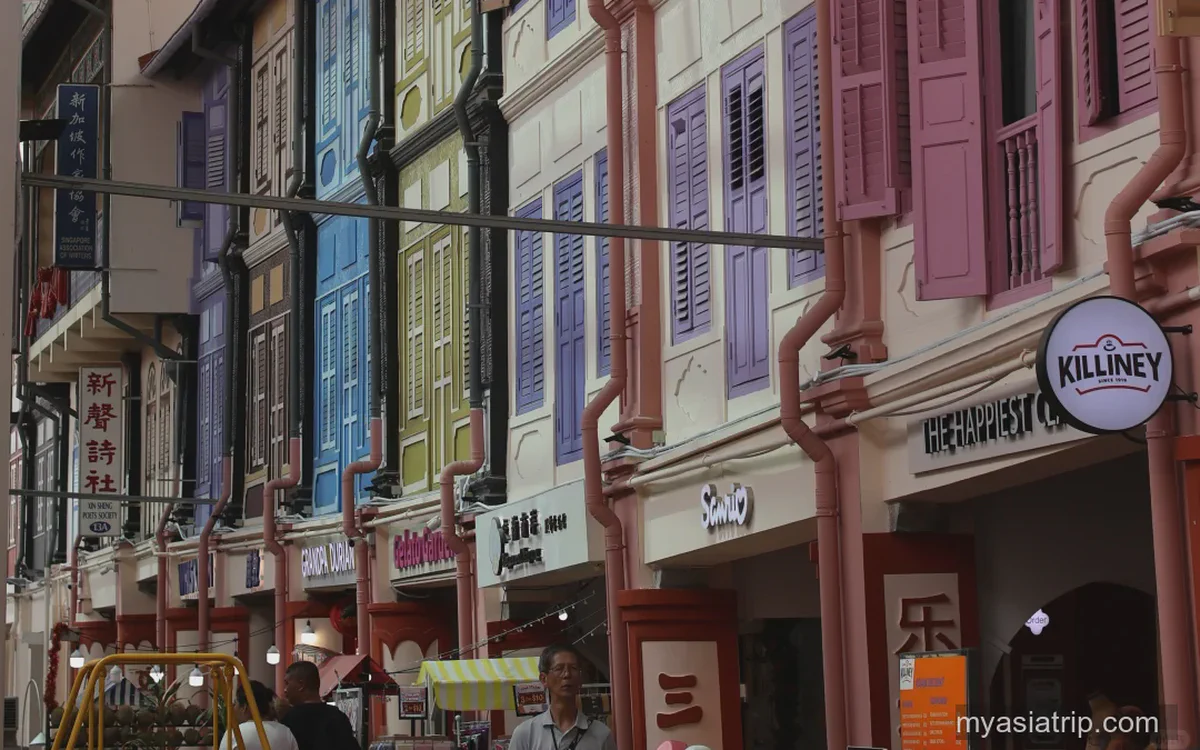
Singapore 3-Day Itinerary: The Complete First-Timer Route & Neighborhood Guide
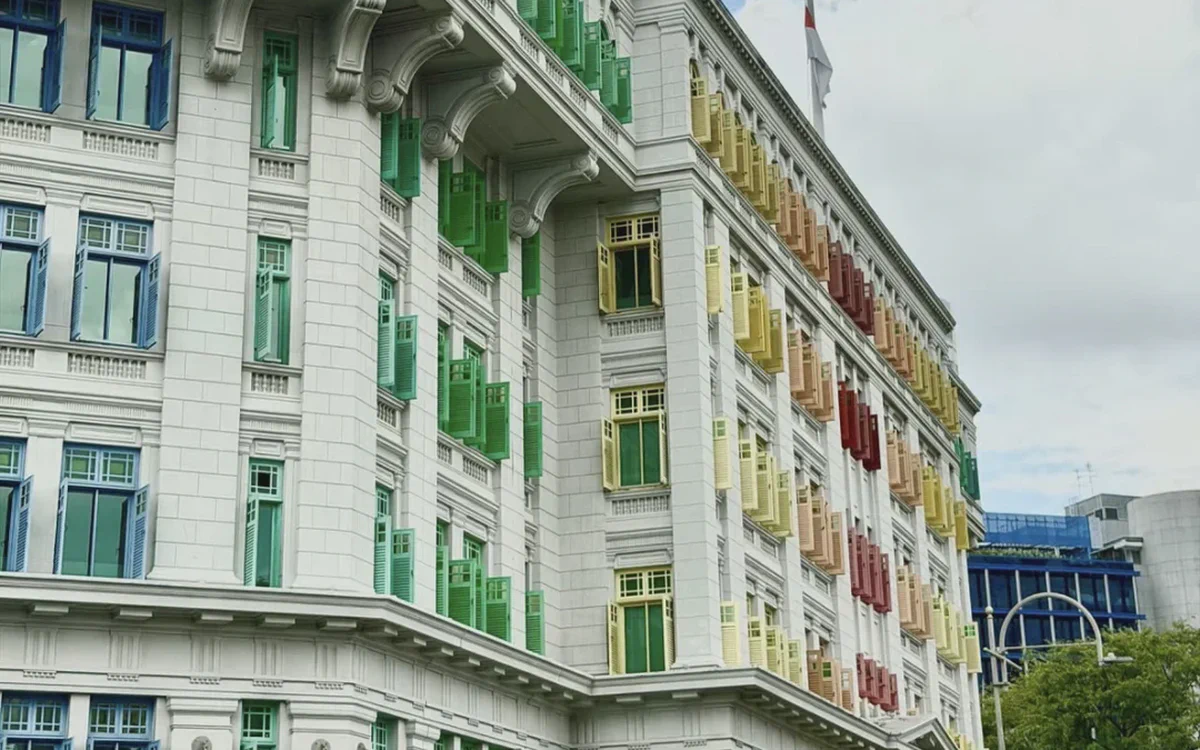
Singapore 5-Day Itinerary: Complete Classic Route and Themed Alternatives
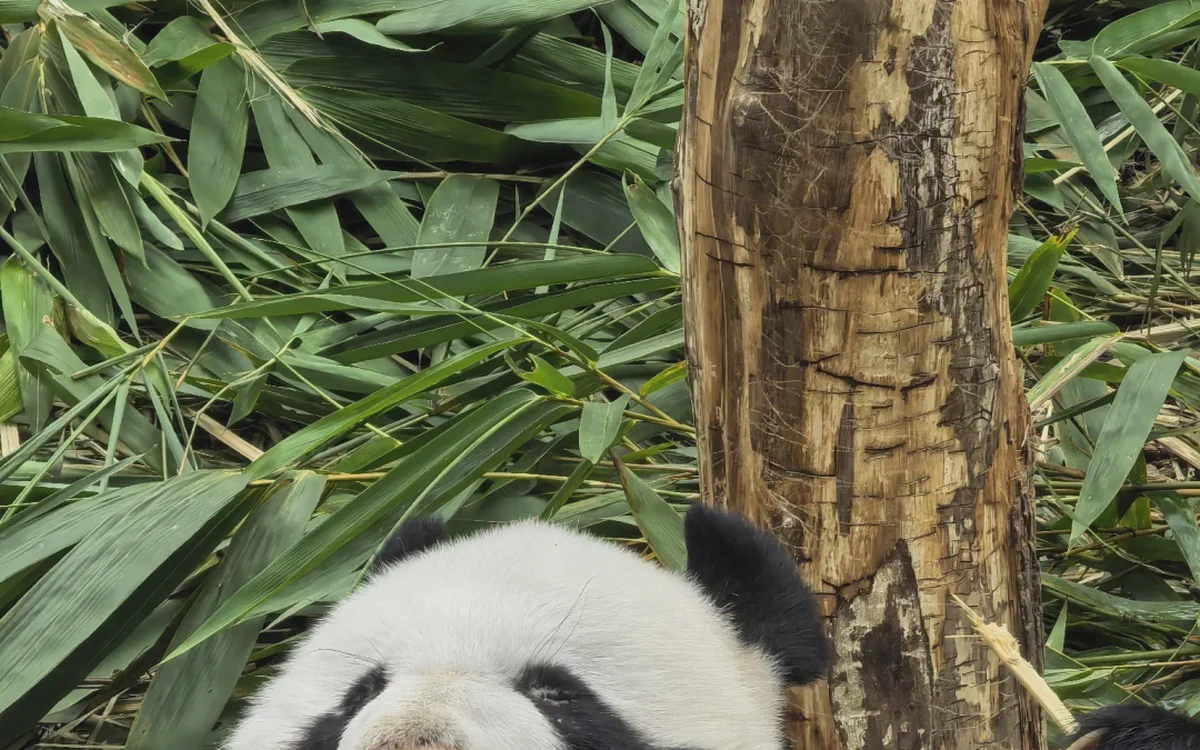
Singapore Family Itinerary: 2, 3 & 5 Days
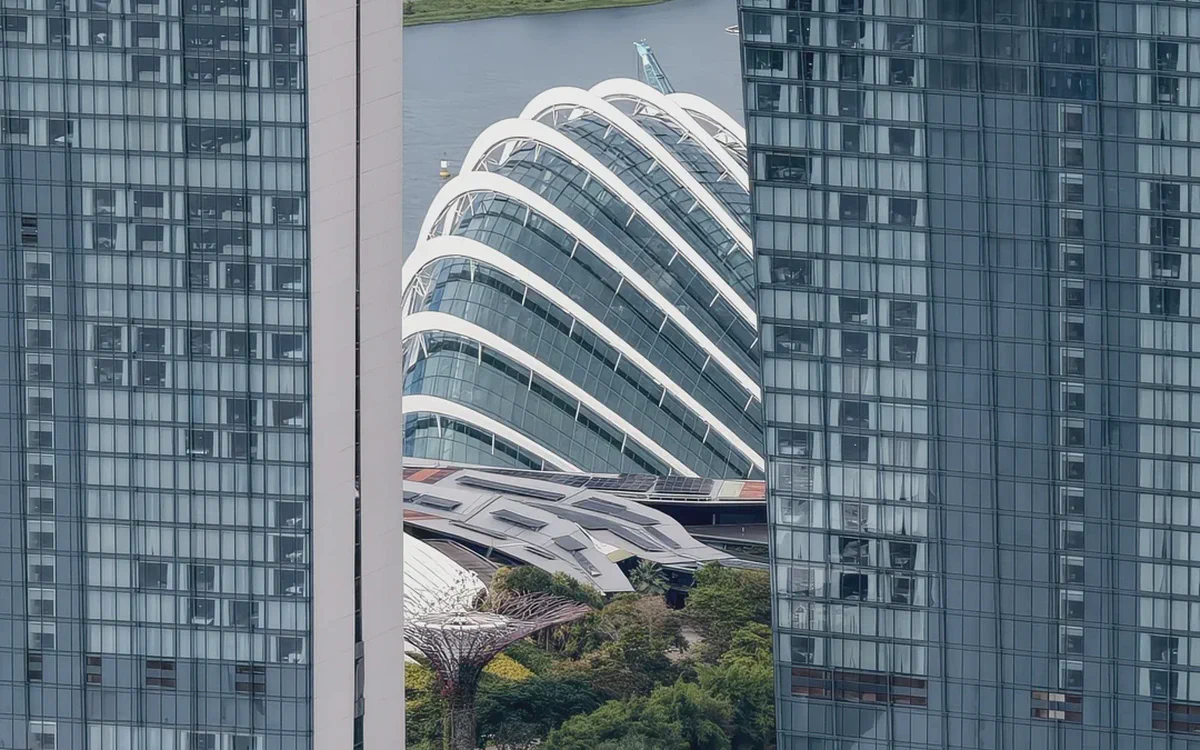
Singapore 7-Day Itinerary: A Complete One-Week District & Nature Guide
Trip length determines the daily rhythm of your visit. Under equatorial conditions, packing a week of sightseeing into three days leads to fatigue. Align your available time with these dedicated routes:
| Duration | Best travel style | Primary geographic focus | Dedicated guide |
|---|---|---|---|
| 1 Day | High-impact stopover or layover | Marina Bay waterfront, Civic District, and an evening hawker dinner | Singapore in 1 day |
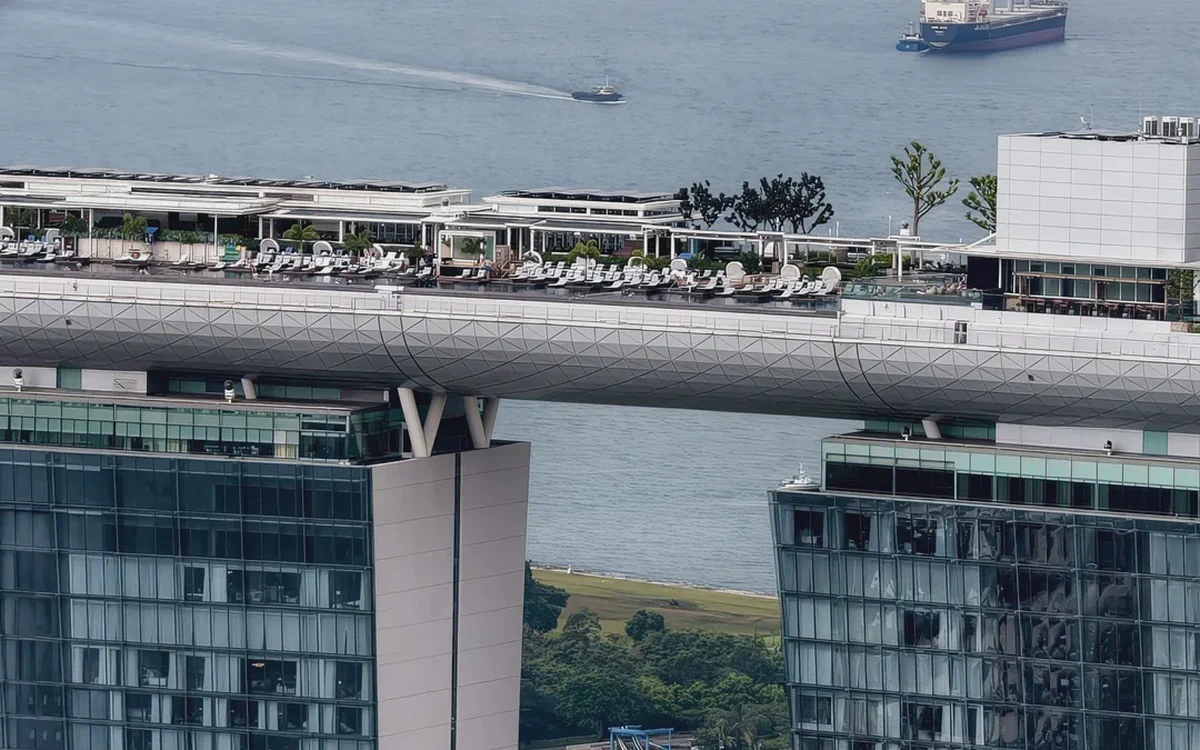
| 2 Days | Weekend break or regional connection | Marina Bay Sands and Gardens by the Bay combined with Chinatown and Kampong Gelam | Singapore in 2 days |
| 3 Days | Standard first-timer introduction | Central bay landmarks, historic cultural enclaves, and one flexible afternoon | Singapore in 3 days |
| 5 Days | Balanced, comprehensive city trip | Downtown highlights, cultural quarters, a dedicated day on Sentosa or at Mandai, and urban parks | Singapore in 5 days |
| 7 Days | In-depth exploration and relaxed pace | East Coast cycling, Southern Ridges walks, suburban food centers, and offshore islands | Singapore in 7 days |
| Family Trip (5 Days) | Paced for children, strollers, and midday rest | Wildlife habitats, interactive science centers, water play areas, and resort days | Singapore family itinerary |
Pacing your itinerary by day length
For a 1-day or 2-day visit, geographic discipline is essential. Base yourself along the Downtown or East-West MRT corridors, limit ticketed admissions to one anchor sight such as the Gardens by the Bay conservatories, and schedule outdoor walks before 10:30 AM or after 5:30 PM.
A 3-day stay represents the practical baseline for first-time travelers. Day 1 focuses on the Marina Bay waterfront and Civic District. Day 2 explores the heritage streetscapes of Chinatown and Little India. Day 3 provides room for personal priorities—whether that means Sentosa attractions, the elevated forest canopy trails of the Southern Ridges, or suburban food exploration at Old Airport Road.
With 5 to 7 days, pacing becomes relaxed. You can dedicate full days to outlying attractions like the Mandai Wildlife Reserve without rushing evening meals, explore heritage areas in quiet morning hours, take shelter during afternoon storms, and dine across neighborhood hawker centres at your own pace.
Which Singapore attractions are worth your time?
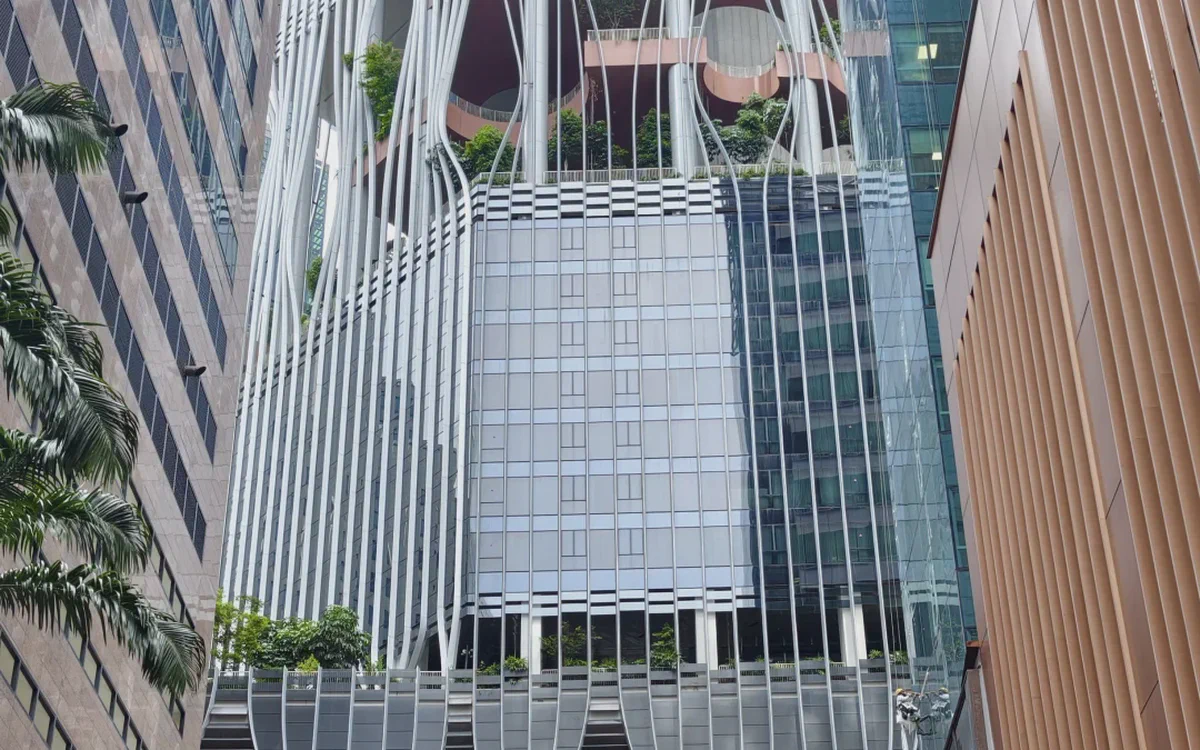
Things to Do in Singapore in 2026: 25 Attractions and Experiences
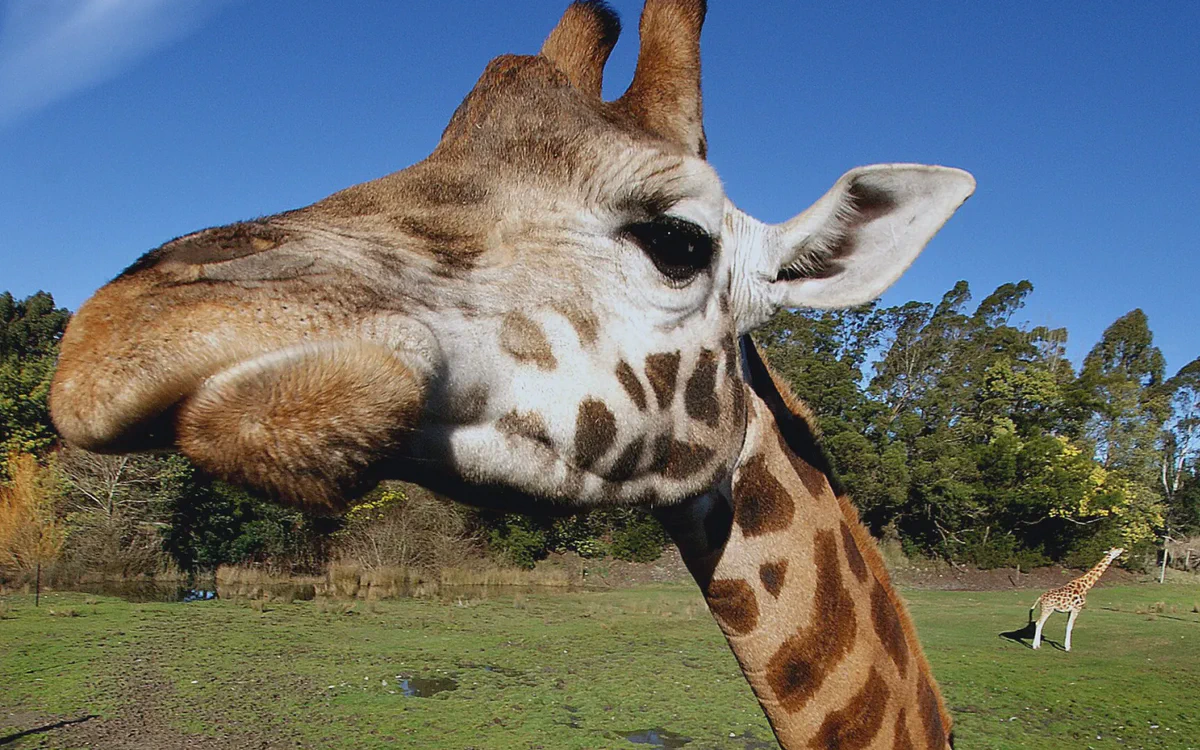
Mandai Wildlife Reserve: 5 Parks Compared (2026)
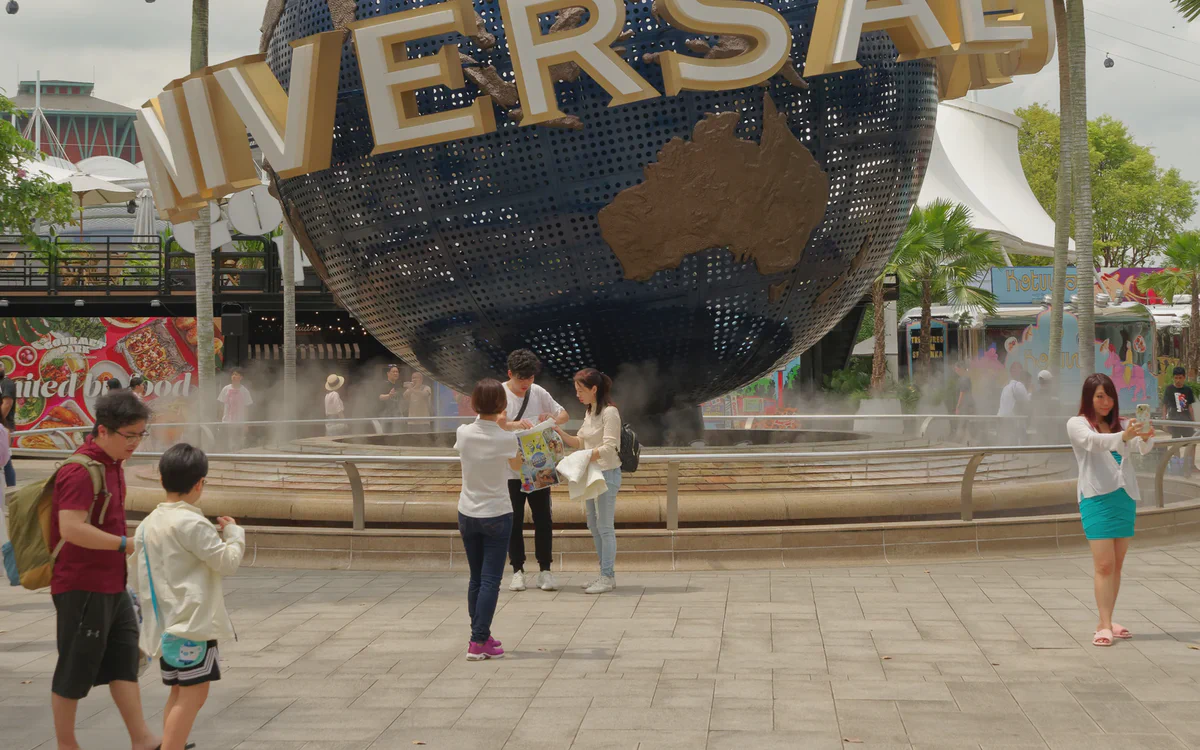
Universal Studios Singapore Guide 2026: Tickets, Express Pass and One-Day Plan
Gardens by the Bay Guide: Attractions, Tickets, Tips (2026)
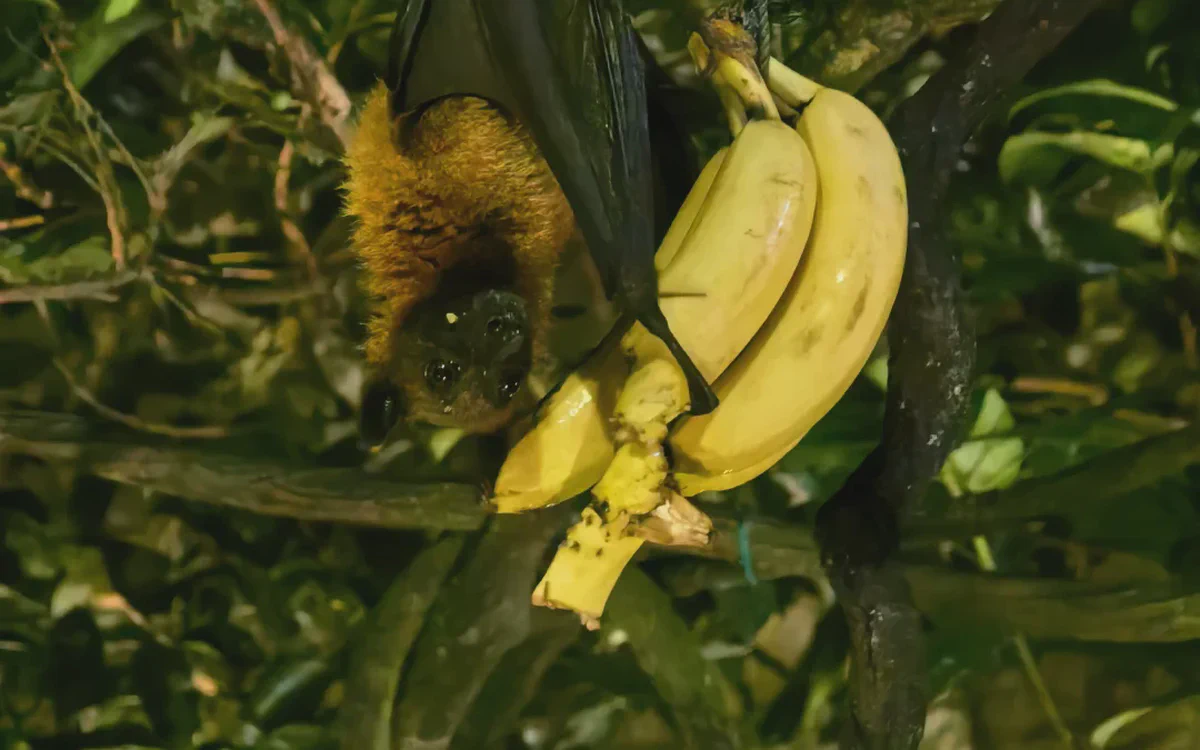
Singapore Zoo Guide: Mandai Route, Tickets and Transport
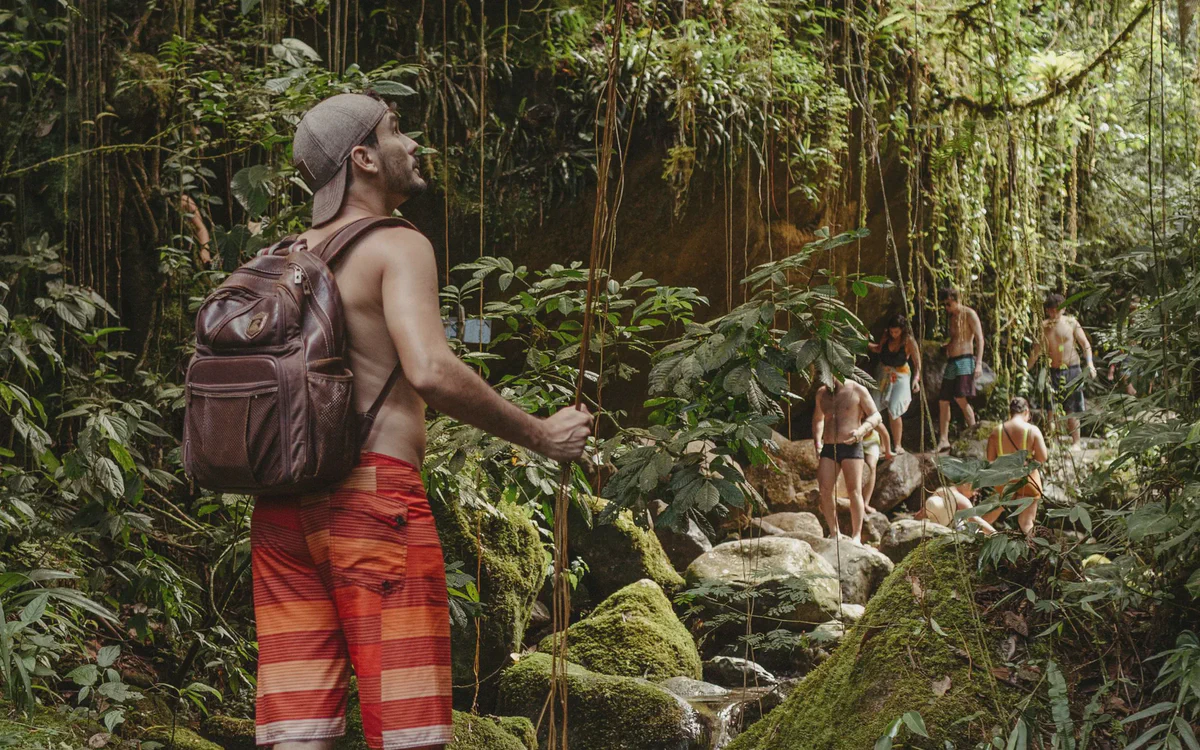
Rainforest Wild Adventure Guide: EAST, WEST, Tickets and Route (2026)
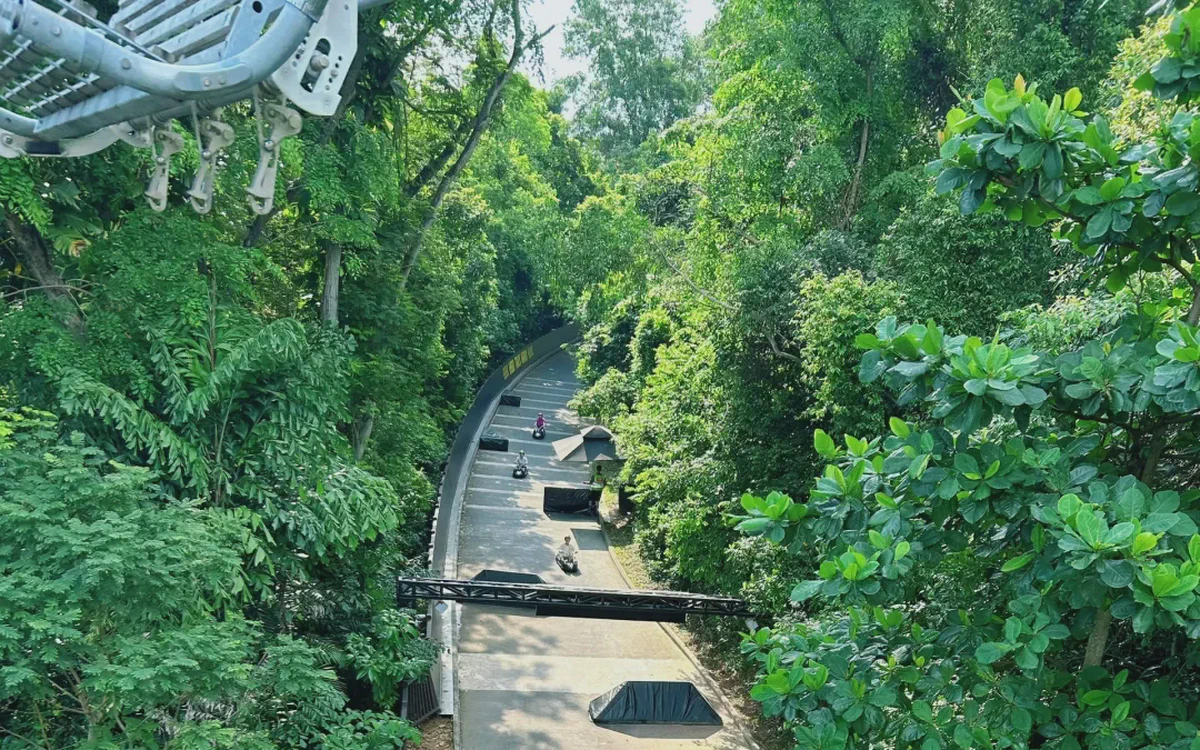
Sentosa Island Guide: Transport, Attractions and Beaches
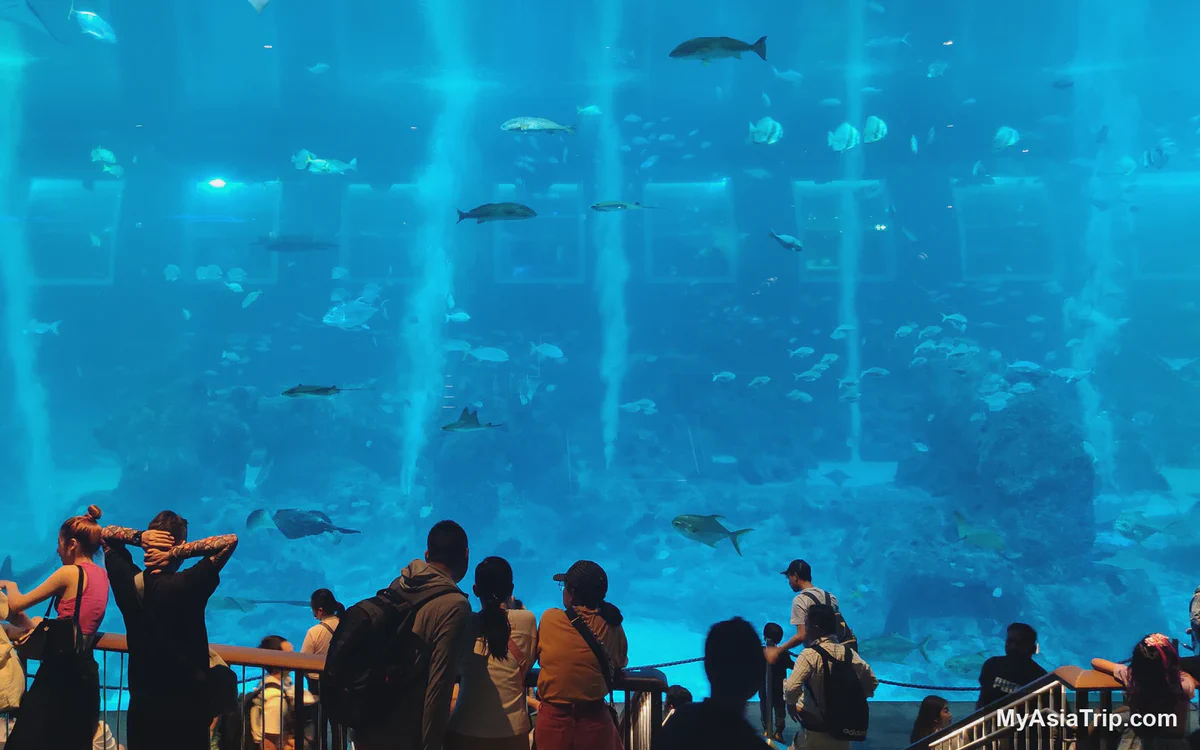
Singapore Oceanarium Guide 2026: Tickets, Highlights and Visit Plan
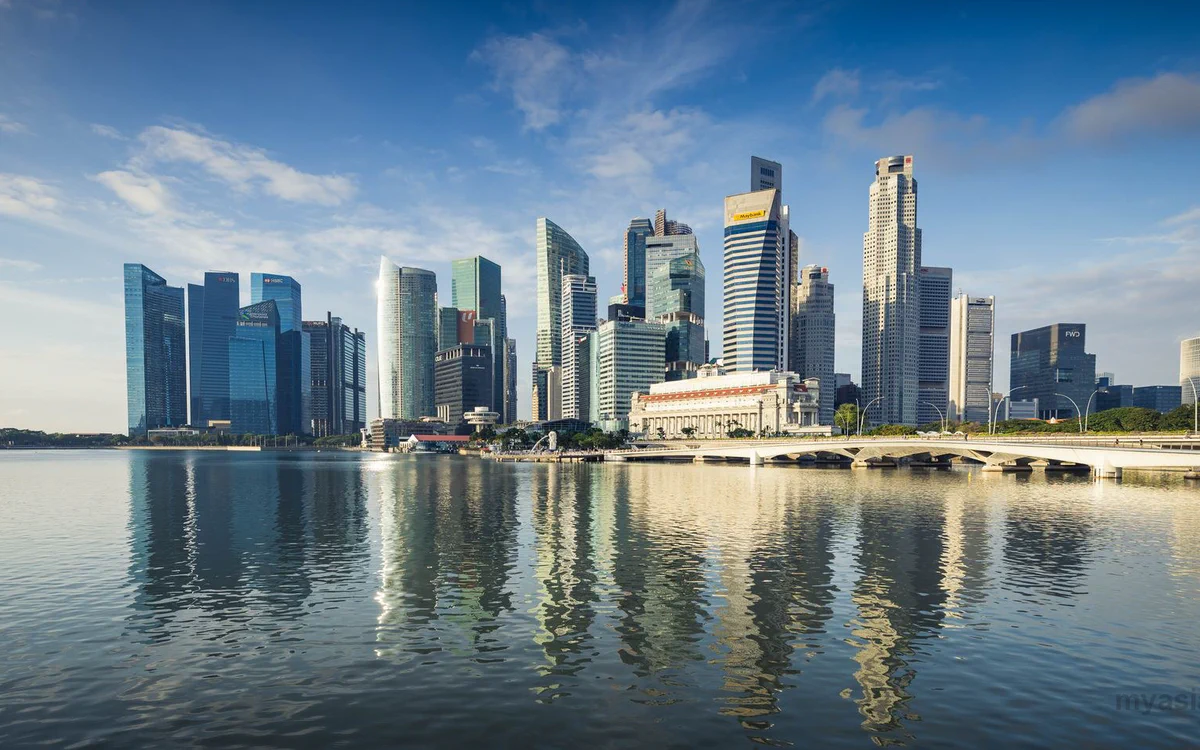
Orchard Road Singapore Guide: Shopping, Food and Things to Do
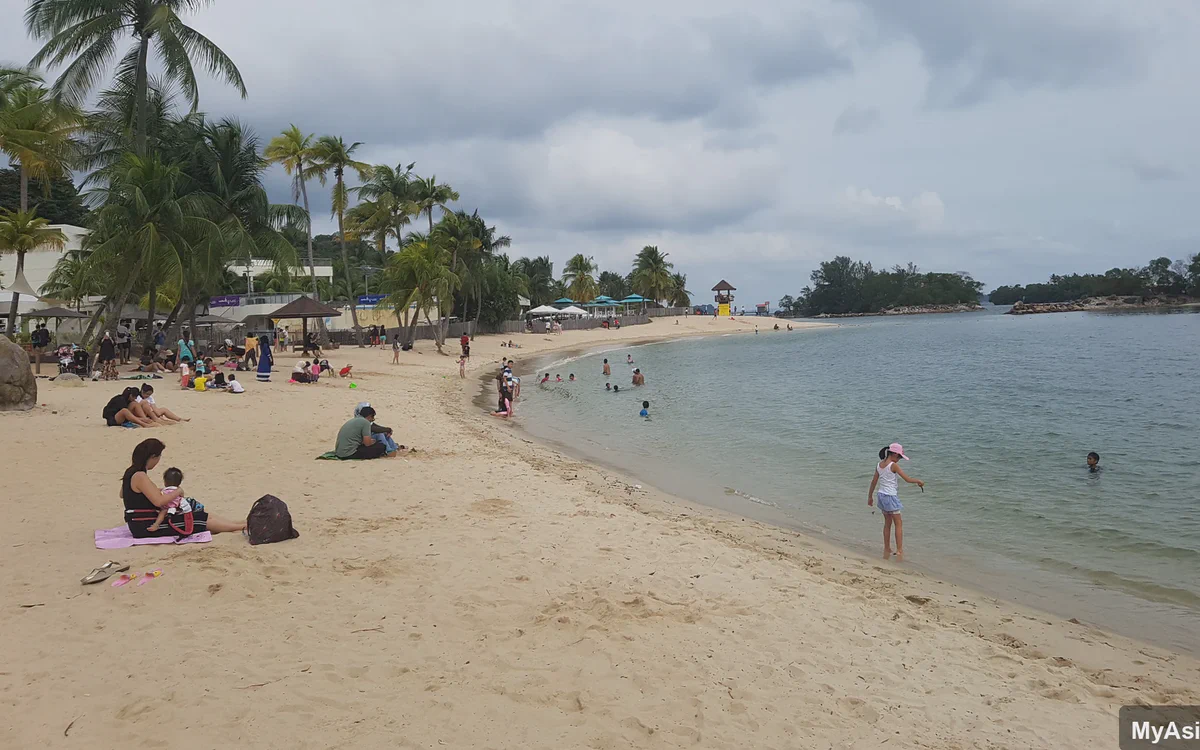
Sentosa Beaches Guide 2026: Siloso, Palawan or Tanjong?
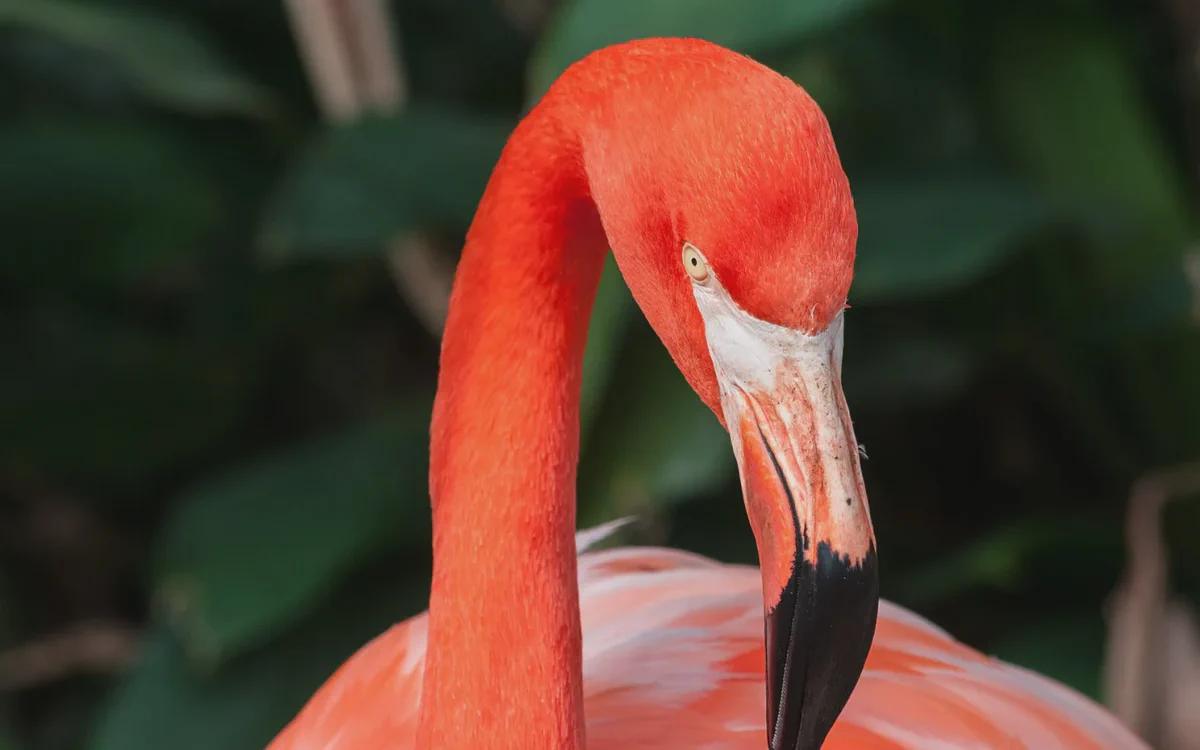
Bird Paradise Singapore Guide: Tickets, Route and Transport (2026)

Night Safari Singapore Guide (2026)
River Wonders Singapore Guide: Tickets, Pandas and Route (2026)
Singapore’s attractions span temperature-controlled conservatories and open-concept wildlife parks to free heritage quarters and coastal reserves. Because commercial admission fees add up, balancing paid highlights with free public spaces is key to managing your budget.
| Attraction / Experience | Primary appeal & best for | Realistic time needed | Cost tier | Major practical trade-off | Dedicated guide |
|---|---|---|---|---|---|
| Gardens by the Bay (Conservatories & Supertrees) | High-tech conservatories, mountain flora, and evening light displays; ideal for first-timers and photographers. | 3–4 hours (late afternoon to evening) | Moderate to High (Domes paid; outdoor Supertree Grove free) | Sharp contrast between air-conditioned domes and outdoor heat; evening Supertree displays draw large crowds. | Gardens by the Bay guide |
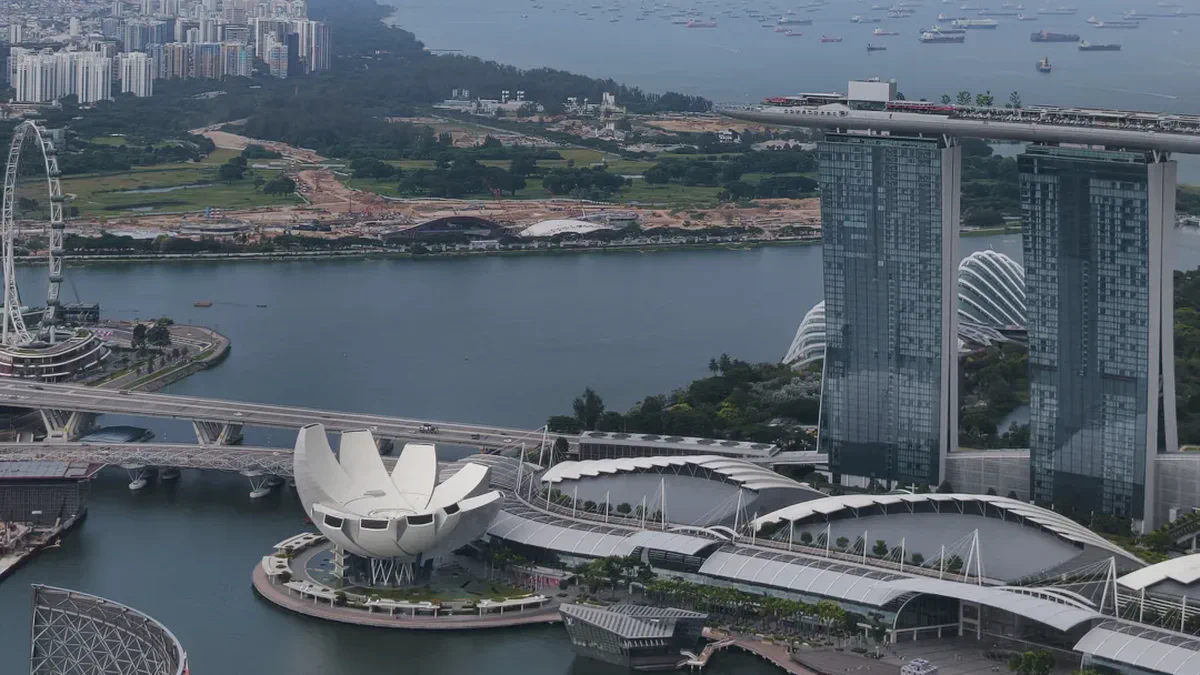
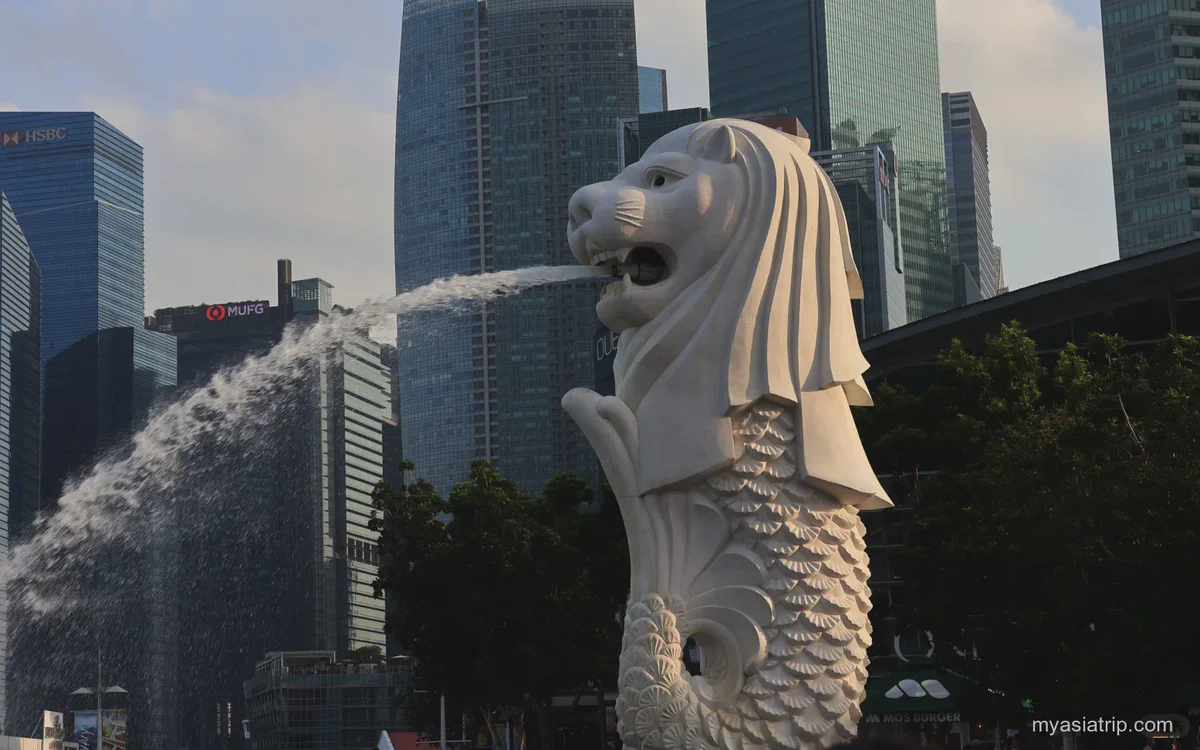
| Marina Bay & Civic District Waterfront | Colonial landmarks, skyline vistas, Merlion Park, and Helix Bridge; ideal for architecture and city walks. | 2–3 hours (early morning or night) | Free (Observation decks paid) | Fully exposed to weather; very high midday heat along unshaded waterfront promenades. | Singapore things to do |
| Sentosa Island & Universal Studios | Theme park rides, resort hotels, beach clubs, and family attractions; best for entertainment and children. | Full day (6–8 hours) | High (Separate tickets per attraction; higher dining rates) | Extensive walking in direct sun; monorail and road transfer queues form around park closing. | Sentosa travel guide |
| Singapore Zoo, River Wonders & Night Safari (Mandai) | Open-habitat rainforest zoological displays and nocturnal wildlife viewing; best for nature lovers and families. | 4–6 hours per park (or afternoon through night) | High (Individual or multi-park tickets) | Located in northern interior; requires transit time; Night Safari requires advance entry time slots. | Singapore Zoo & Mandai guide |
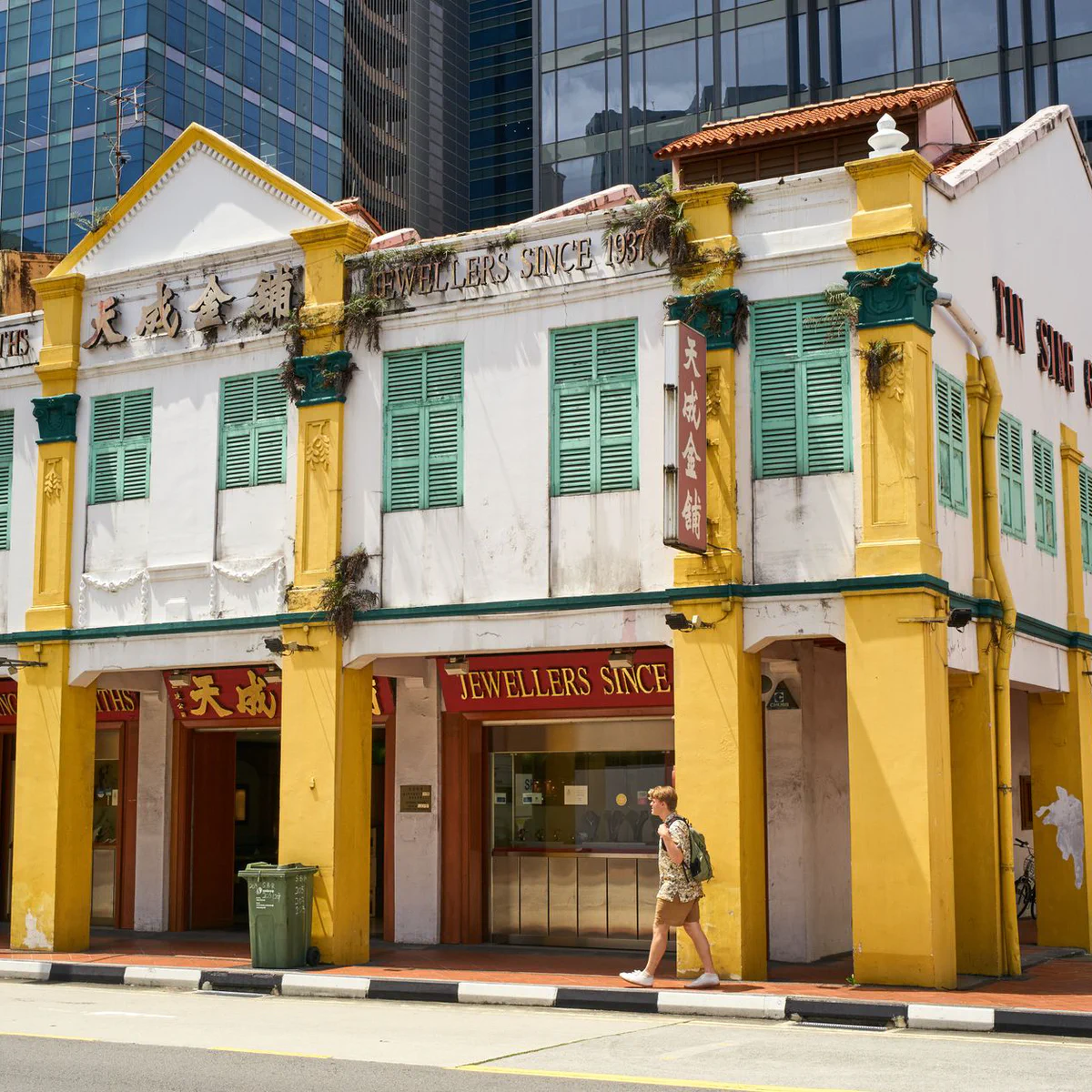
| Historic Cultural Enclaves (Chinatown, Kampong Gelam, Little India) | Street markets, religious architecture, colorful shophouses, and varied dining; ideal for cultural exploration. | 2–3 hours per neighborhood | Free (Religious sites free; personal dining extra) | Shophouse footpaths can be narrow and uneven; midday heat makes extended walking tiring. | Singapore things to do |
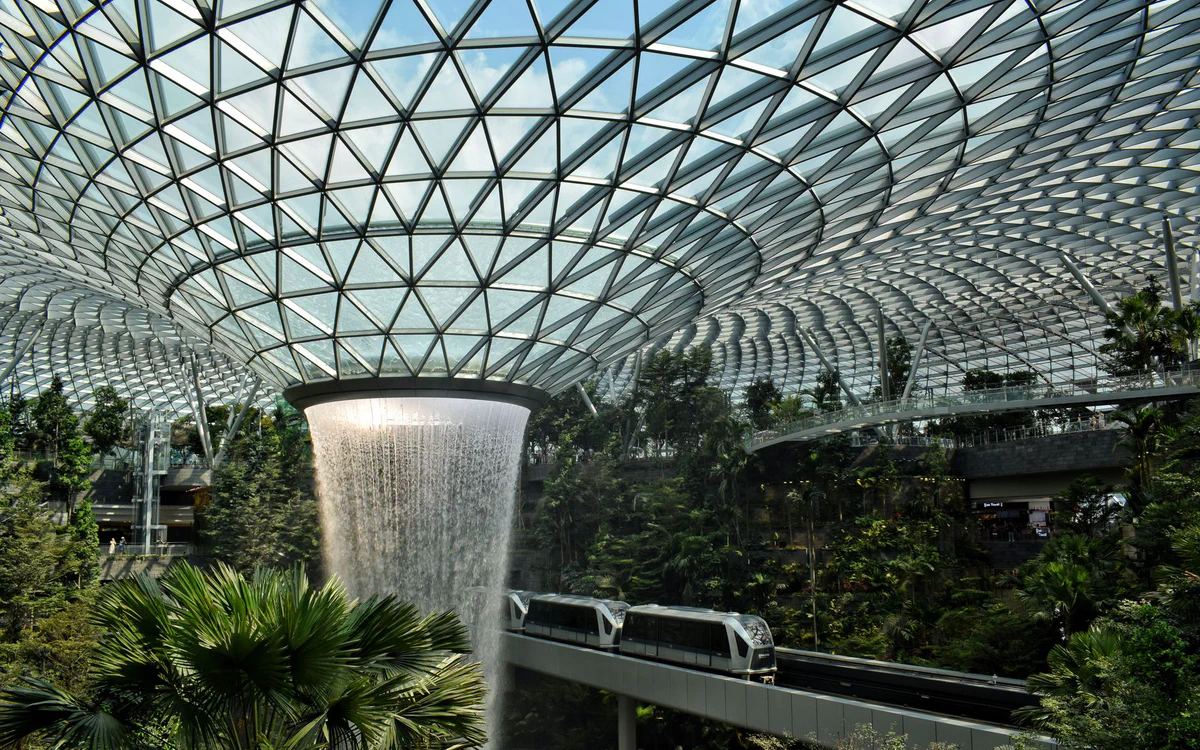
| Changi Airport & Jewel | Indoor gardens, the 40-meter Rain Vortex waterfall, canopy park attractions, and dining; best during transit or arrival. | 2–4 hours | Free (Jewel public area free; upper canopy attractions paid) | Jewel is landside (public area); transiting air passengers must clear immigration to enter. | Changi Airport guide |

Route clustering and daily momentum
Efficient sightseeing relies on clustering adjacent sights:
- Marina Bay and Civic Cluster: Pair morning visits to the National Gallery Singapore or Asian Civilisations Museum with an afternoon exploring the Flower Dome and Cloud Forest at Gardens by the Bay, followed by the evening Garden Rhapsody light display and dinner at Satay by the Bay or Makansutra Gluttons Bay.
- The Cultural Corridor: Chinatown, Kampong Gelam (around Sultan Mosque and Haji Lane), and Little India each have distinct architectural and culinary character. Rather than visiting all three in one day, divide them across two mornings when markets are lively and temples are open for visits.
- Dedicated Outlying Days: Treat Sentosa and the Singapore Zoo and Mandai Wildlife Reserve as standalone day trips. Combining Sentosa’s attractions with central heritage sights on the same day creates transit friction. Our full guide to things to do in Singapore covers additional destinations including the Singapore Botanic Gardens, Haw Par Villa, and Pulau Ubin.
What to eat in Singapore and which hawker centre fits your route
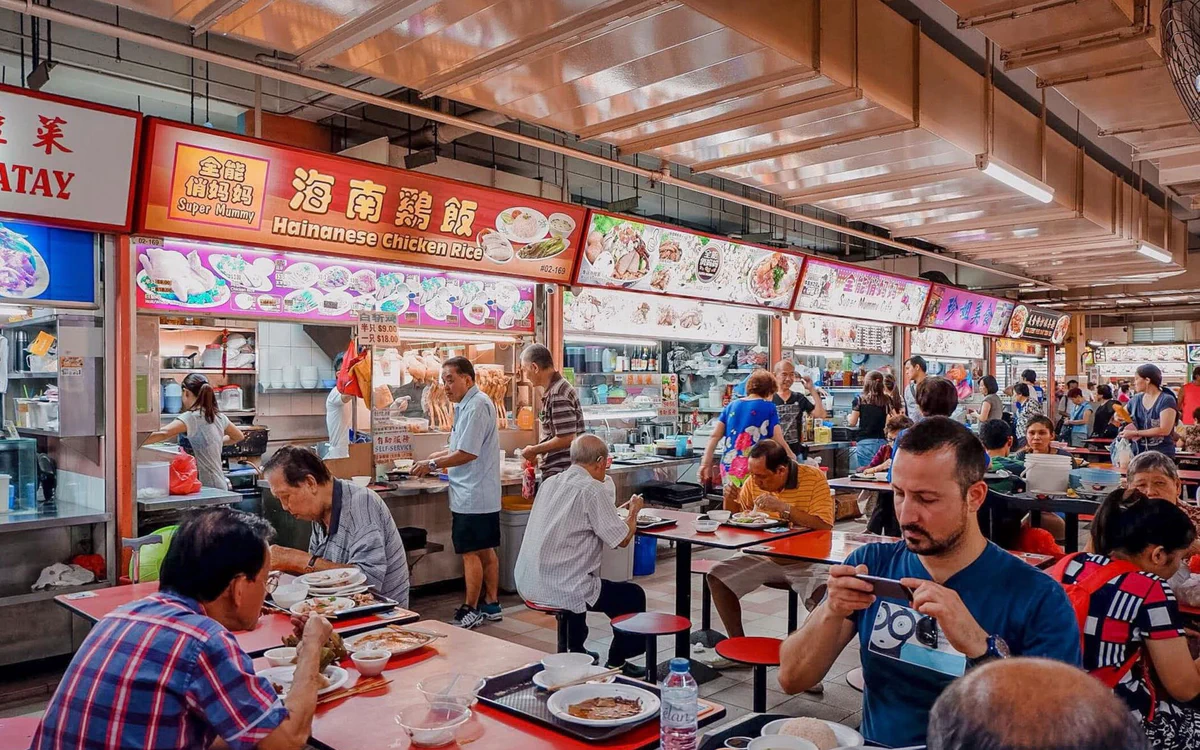
Singapore Food Guide: What and Where to Eat
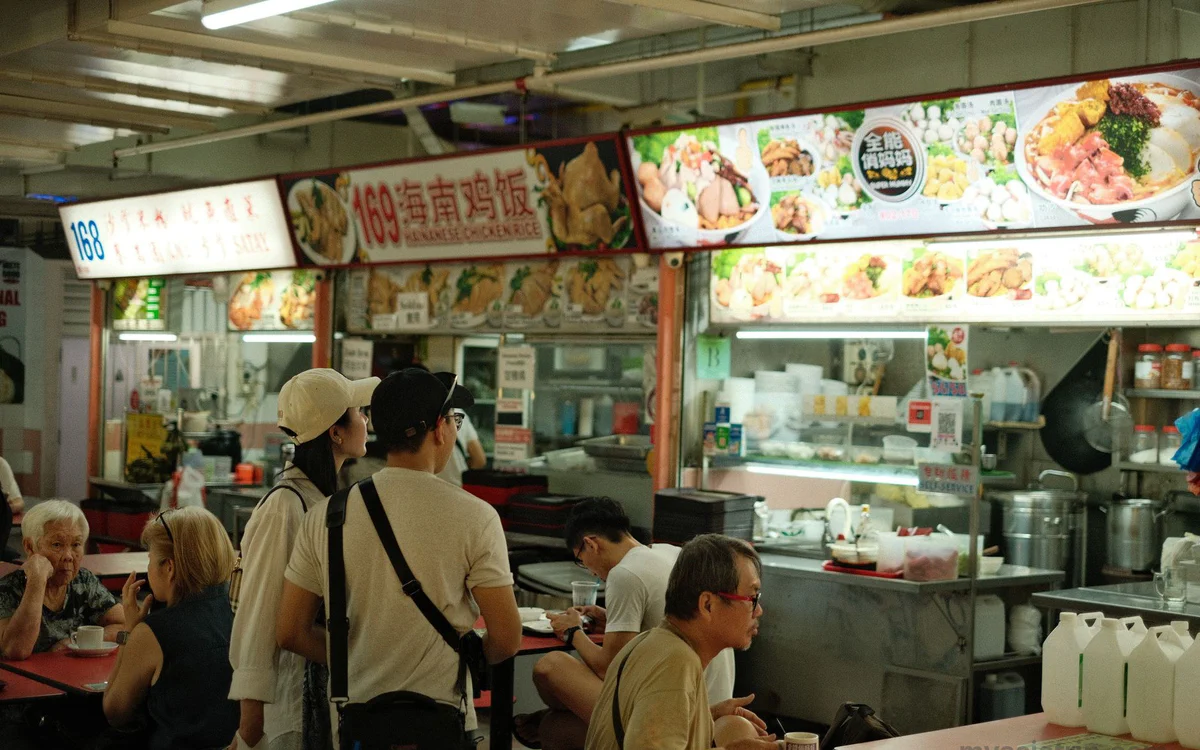
Singapore Hawker Centres: Picks & Ordering Guide
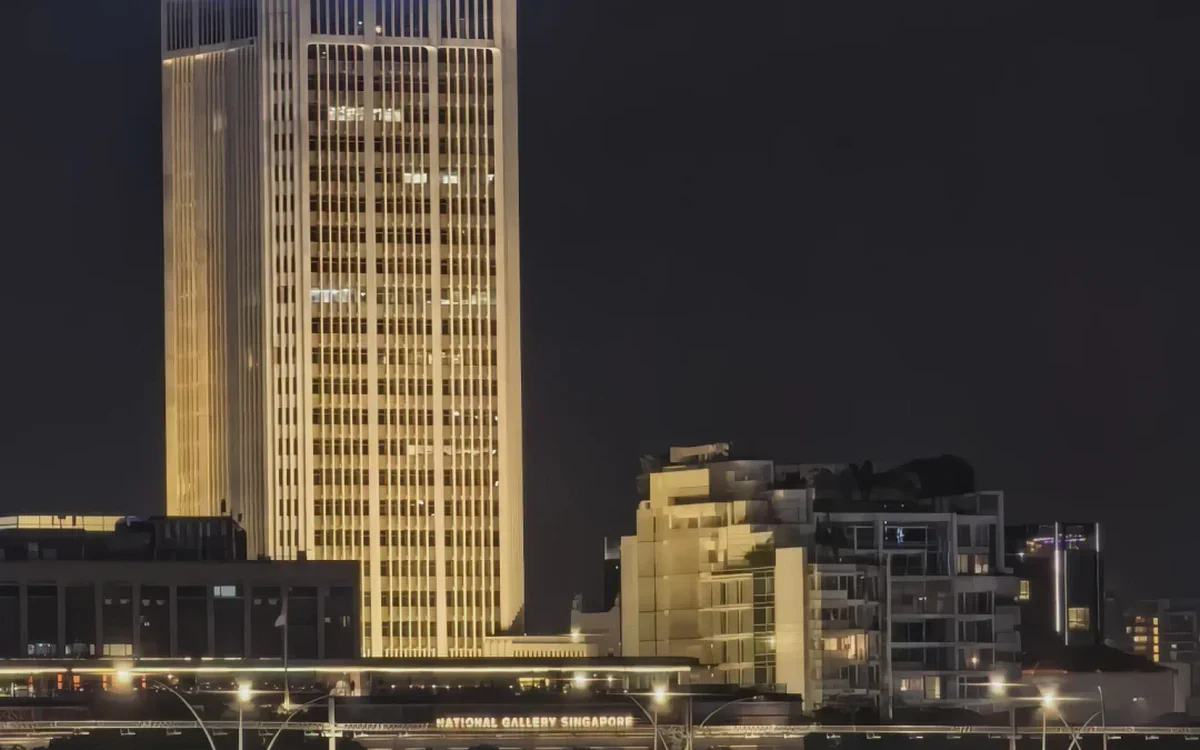
Singapore Nightlife: Best Areas, Bars & 3 Evening Plans
Dining is central to experiencing Singapore. The culinary scene reflects Chinese, Malay, Indian, Peranakan, and Eurasian traditions, presented across dining rooms, casual cafes, and open-air hawker centres.
Our overview Singapore food guide details key dishes including Hainanese chicken rice, laksa, char kway teow, bak kut teh, roti prata, and chilli crab. Use our hawker-centres guide to select dining spots that fit your daily movements:
- Maxwell Food Centre (Chinatown): Known for Tian Tian Hainanese Chicken Rice and traditional Cantonese porridge. Conveniently paired with Chinatown temple visits. Arriving before 11:45 AM avoids the main office lunch rush.
- Chinatown Complex Food Centre: Singapore’s largest hawker centre, with over 200 stalls serving claypot rice, handmade noodles, traditional desserts, and local craft beer.
- Tekka Centre (Little India): A prime center for roti prata, mutton biryani, freshly made dosai, and mango lassi. Well suited for a morning breakfast stop.
- Old Airport Road Food Centre (East): A long-standing local favorite for Hokkien mee, rojak, and fresh soybean curd. Located east of downtown, making it an effective lunch stop en route to Katong or East Coast Park.
- Lau Pa Sat (Financial District): Recognized for its Victorian cast-iron structure and evening open-air satay stalls along Boon Tat Street, which closes to road traffic nightly from 7:00 PM.
Hawker dining practicalities and etiquette
- Table reservation custom (Chope): An unattended pack of tissue packets, an umbrella, or a card left on a table indicates that the seat is reserved. Look for an unoccupied table or wait until diners finish.
- Tray return regulations: Diners are required by regulations to return used trays, crockery, and drinkware to designated collection stations. Look for Halal and Non-Halal return racks and separate items accordingly.
- Payment methods: While local QR networks (SGQR/PayNow) are common, many stalls accept contactless cards or Nets. However, several traditional stalls remain cash-only. Keep small SGD bills and coins on hand.
- Dietary requirements: Hawker kitchens operate in compact spaces where cross-contact with peanut oil, shellfish paste (belacan), and gluten can occur. Look for MUIS-certified halal stalls (clearly marked) or dedicated vegetarian stalls if you have specific dietary guidelines.
Where to stay in Singapore by budget and trip type
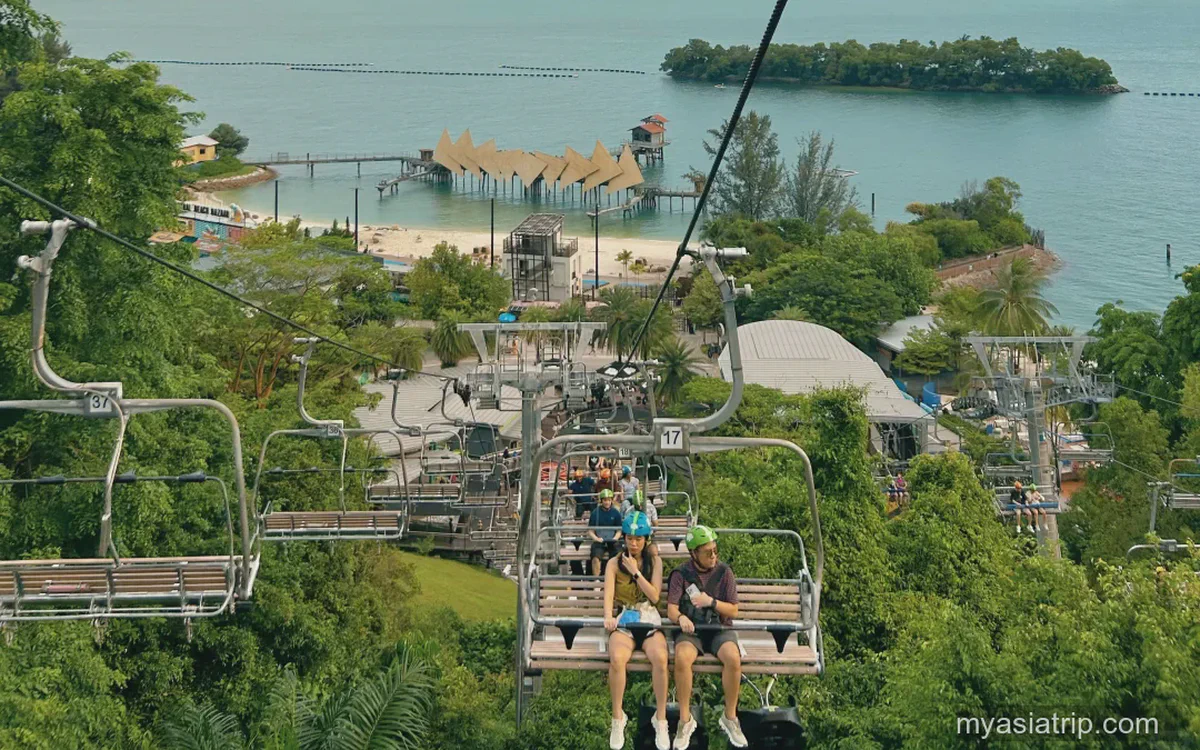
Accommodation typically represents the largest portion of a Singapore travel budget. Staying within a short walk of an MRT station with direct lines reduces daily travel time and limits walking in high humidity.
| Neighborhood | Primary character & appeal | Target traveler | Price tier | Transit connectivity | Main practical trade-off |
|---|---|---|---|---|---|
| Chinatown | Restored shophouse streets, active night dining, convenient hawker access. | First-time visitors, food lovers, budget to mid-range travelers. | Budget to Mid-Range | Chinatown Station connects North East (Purple) and Downtown (Blue) lines; Maxwell on TEL (Brown). | Boutique shophouse rooms can be compact; street noise possible on lower levels. |
| Bugis & Kampong Gelam | Retail lanes, independent cafes, historic mosques, and boutique hotels. | Independent travelers, culture seekers, shopping-focused visitors. | Budget to Mid-Range | Bugis Station connects the Downtown (Blue) and East-West (Green) lines; airport trips require a transfer. | High foot traffic; streets near Haji Lane can remain lively late into the evening. |
| Marina Bay | Luxury waterfront hotels, skyline views, fine dining, and landmark attractions. | Luxury travelers, business visitors, couples, landmark seekers. | Luxury & Premium | Bayfront Station connects Downtown and Circle lines; large distances between buildings. | High room rates; limited low-cost dining within immediate walking distance. |
| Civic District & Clarke Quay | Colonial civic architecture, national museums, riverside promenades, and dining. | Sightseers, museum visitors, travelers enjoying evening river walks. | Mid-Range to High | City Hall and Raffles Place provide North-South/East-West interchange; Clarke Quay on NE line. | Riverside areas around Clarke Quay can become noisy on weekend evenings. |
| Orchard Road | Premier retail boulevard lined with department stores, dining, and brand flagships. | Shoppers, families, visitors preferring established international hotels. | Mid-Range to Luxury | Somerset is on the North-South Line; Orchard connects the North-South and Thomson-East Coast lines. | Predominantly modern commercial retail setting with less historic character. |
| Sentosa Island | Island resort enclave with beaches, theme parks, golf courses, and hotel pools. | Resort travelers, families with young children, staycation visitors. | Luxury & Resort | Requires Sentosa Express monorail, cable car, bus, or taxi to reach mainland MRT lines. | Removed from central city neighborhoods; higher on-island food and transport costs. |
| Little India & Jalan Besar | Bustling retail streets, 24-hour shopping at Mustafa Centre, and diverse eateries. | Budget travelers, backpackers, adventurous diners. | Budget to Mid-Range | Farrer Park, Little India, and Jalan Besar stations serve Purple and Blue lines. | Dense foot traffic on weekends; lively sensory environment that may not suit light sleepers. |
For detailed property tiers and booking strategies, review our full where to stay in Singapore neighborhood guide.
How to get around Singapore and transfer from Changi Airport
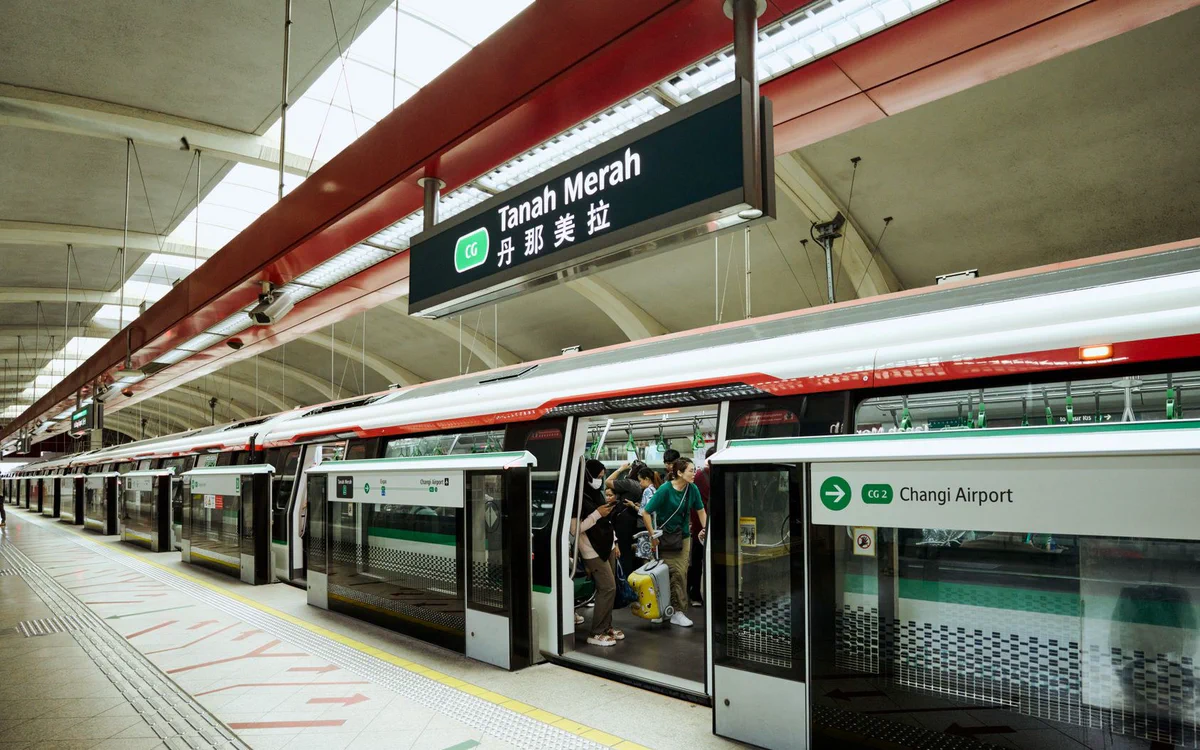
Getting Around Singapore: MRT Map, Buses, Taxis & Payment Guide
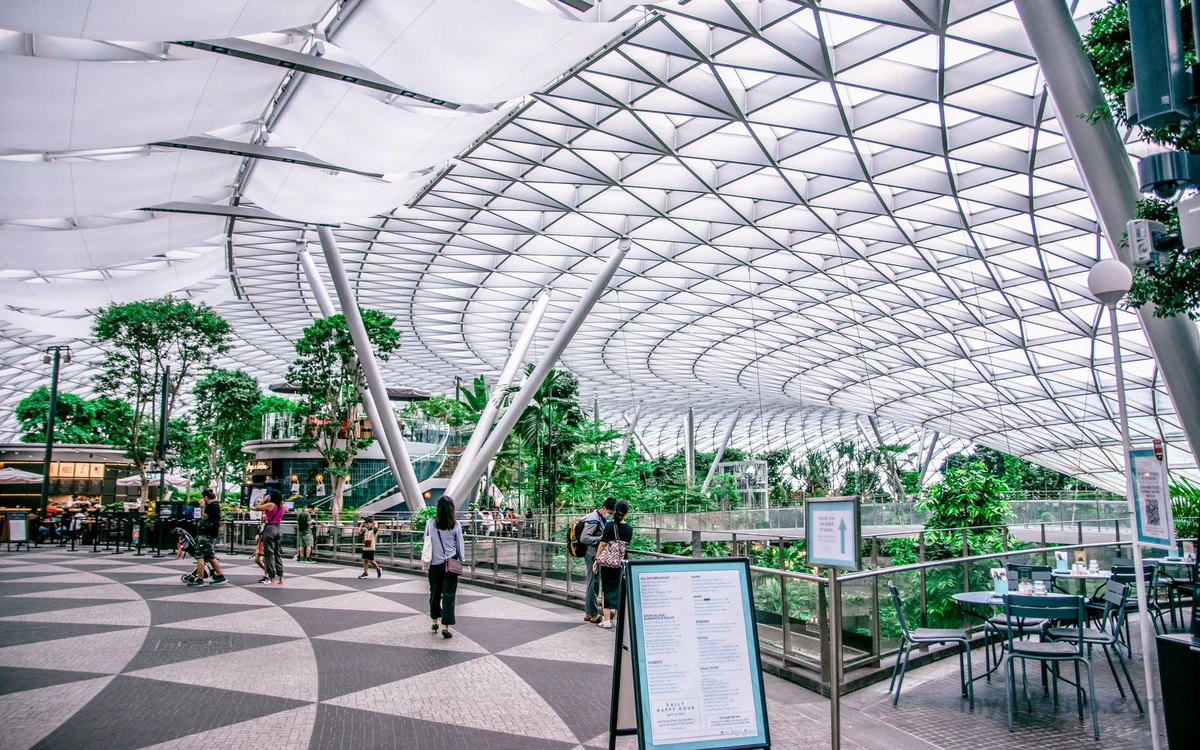
Changi Airport to Singapore City: 2026 Transport Guide
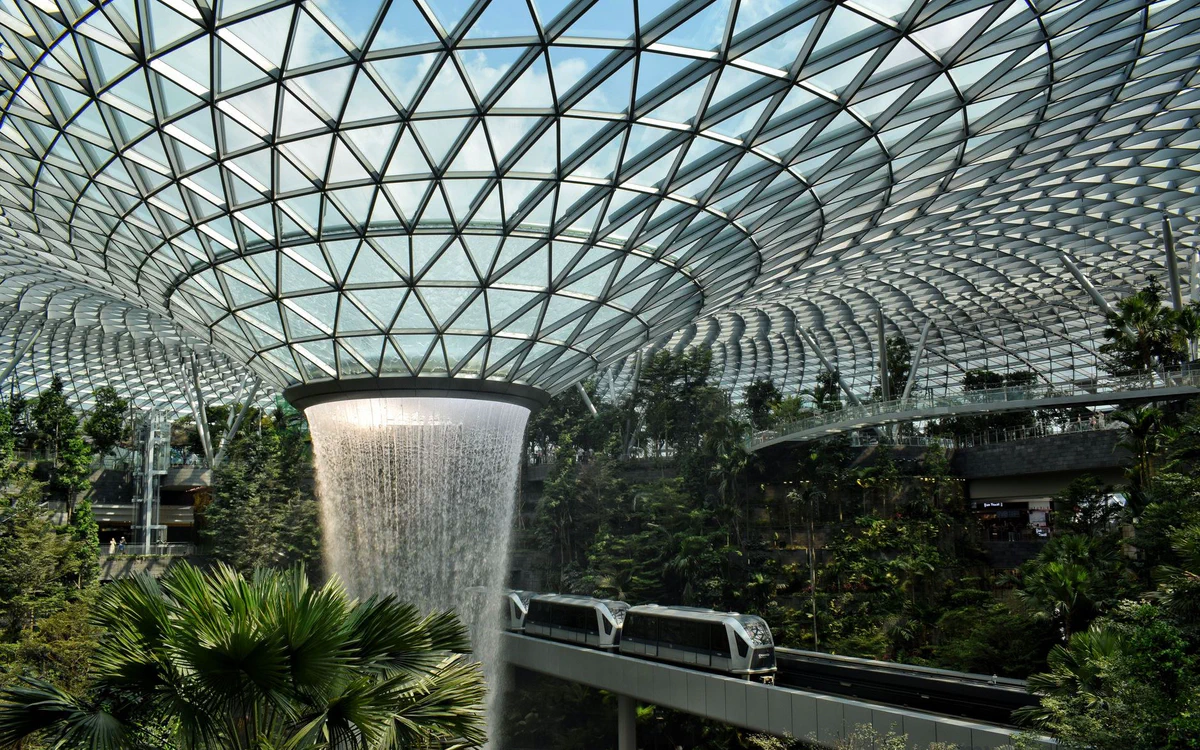
Changi Airport Guide: Jewel, Attractions & Layovers
Singapore’s public transport network combines extensive rail coverage, clean bus fleets, and regulated ride-hailing services.
Transit choices at a glance
- MRT Rail Network: Best for fast, air-conditioned journeys between major districts and avoiding peak-hour surface traffic.
- Public Bus Network: Useful for point-to-point surface connections with fewer stairs, offering street views across the city.
- Taxis and Ride-Hailing (Grab, Gojek, CDG Zig): Practical for groups of three to four, late-night travel after trains cease operating, or when carrying heavy luggage.
For comprehensive ticketing rules, line maps, and payment setup, read our dedicated guide on getting around Singapore.
Choosing your transfer from Changi Airport
Arriving at Singapore Changi Airport (SIN), multiple transit options connect directly to downtown accommodation:
| Transport mode | Downtown travel time | Cost range | Best suited for | Logistical details | Dedicated guide |
|---|---|---|---|---|---|
| MRT Train (from T2/T3) | About 45–60 minutes door to door | Modest public fare | Solo travelers, couples, light luggage, daytime arrivals. | Most city trips change at Tanah Merah; the last useful city connection leaves Changi at 23:18. | Airport to city transfer |
| Public Bus #36 | 60–75 minutes | Modest public fare | Budget travelers staying along Marine Parade, Orchard Road, or Bras Basah. | Slower journey due to multiple stops; limited dedicated space for large suitcases. | Airport to city transfer |
| Metered Taxi | About 25–40 minutes | Metered fare + surcharges | Late arrivals, families with children, travelers with heavy luggage. | Subject to airport, peak-period and midnight surcharges. | Airport to city transfer |
| Ride-Hailing (Grab/Gojek) | About 25–40 minutes | Upfront dynamic fare | Travelers using mobile ride apps who want to compare a price before booking. | Pickup is at designated terminal doors rather than taxi ranks; fares fluctuate with demand. | Getting around Singapore |
Visiting Jewel Changi Airport
Before arrival or departure, consult our Changi Airport guide. The Jewel Changi Airport lifestyle complex—housing the indoor Rain Vortex waterfall—is located on the landside (public area) connecting Terminals 1, 2, and 3. Air passengers in transit must clear immigration to visit Jewel, requiring sufficient layover time (at least 5 hours recommended) and appropriate entry clearance.
When is the best time to visit Singapore?
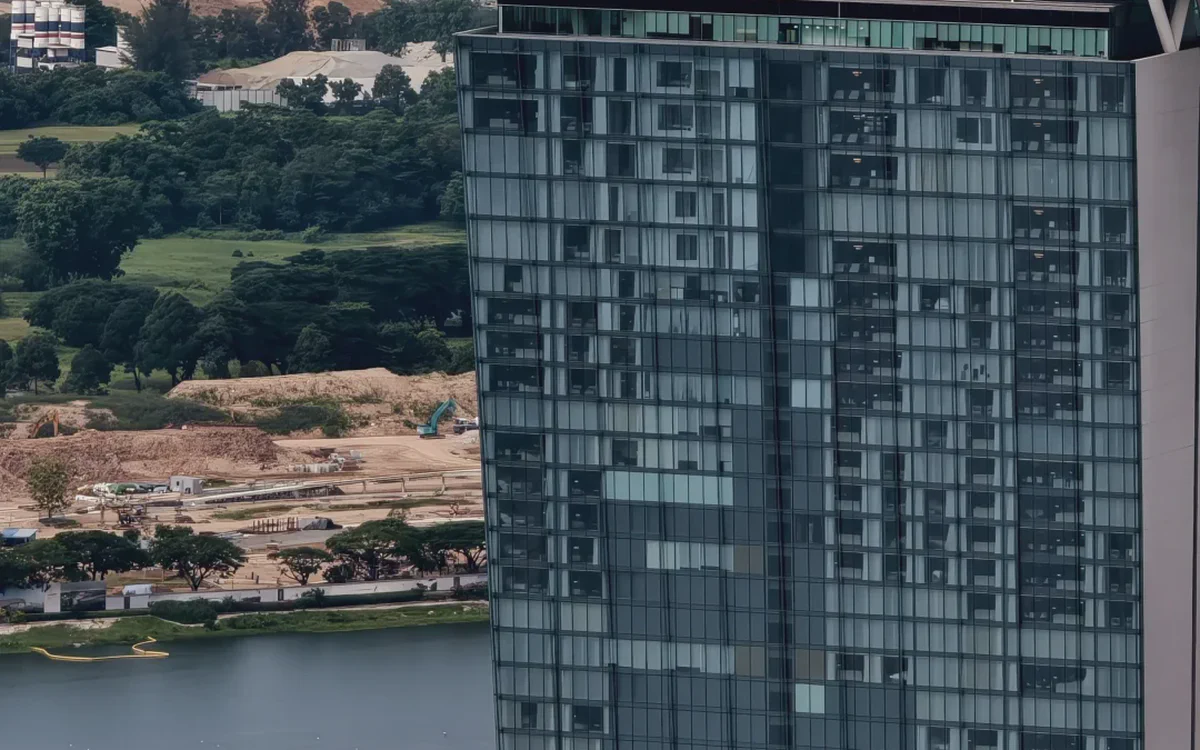
Positioned approximately 137 kilometers north of the equator, Singapore experiences a tropical rainforest climate marked by steady warmth, high humidity, and regular rainfall throughout the year.
Long-term climate data from the Meteorological Service Singapore (MSS) indicates consistent conditions across all months:
- Daily Minimum Temperatures: 23°C to 25°C
- Daily Maximum Temperatures: 31°C to 33°C
- Relative Humidity: 60% to 70% in midafternoon, often exceeding 90% in early mornings or during rain.
Weather patterns are primarily influenced by two monsoon phases:
| Season / Period | Weather characteristics | Travel dynamics & crowd factors | Practical planning note | Detailed guide |
|---|---|---|---|---|
| Wetter period (Nov – Jan) | Rainfall is generally higher; the Northeast Monsoon wet phase usually falls from December into early January. | High holiday crowds around Christmas and New Year; Lunar New Year timing varies. | Keep lightweight rain gear accessible; plan an indoor backup in the same district. | Best time to visit Singapore |
| Northeast Monsoon: Dry Phase (Feb – early Mar) | Statistically the driest period; February historically records the lowest monthly average rainfall. | Sunny periods, steady breezes, manageable crowd levels after Chinese New Year. | Favorable period for outdoor walking, garden visits, and photography. | Best time to visit Singapore |
| Inter-Monsoon Period (Late Mar – May) | Warm conditions, light winds, and short, intense afternoon convective thunderstorms. | Moderate visitor traffic; good mid-tier hotel availability in April and May. | Complete outdoor walking before 11:00 AM; utilize indoor attractions during midday heat. | Best time to visit Singapore |
| Southwest Monsoon (Jun – Sep) | Possible early-morning Sumatra squalls and comparatively drier stretches, though rain remains possible. | Regional school holidays and annual events can alter demand. | Check the live event calendar before booking; the 2026 Grand Prix falls in October, not September. | Best time to visit Singapore |
Note: The Formula 1 Singapore Grand Prix is scheduled for 9–11 October 2026, causing significant demand and price increases for central hotels around the Marina Bay street circuit.
Handling tropical downpours
Equatorial rain can be intense, but duration varies: a convective storm may pass quickly, while a monsoon surge can linger. When rain starts:
- Avoid unnecessary cross-town transit: Convective downpours are localized; heavy rain in Orchard may coincide with clear skies over Marina Bay.
- Utilize underground walkways: Subterranean pedestrian networks link major commercial nodes around City Hall, Raffles City, Suntec City, and Marina Square.
- Identify indoor anchors: In central districts, museums such as the National Gallery Singapore or Asian Civilisations Museum provide comfortable indoor visits while weather clears.
Practical pre-trip checks: costs, connectivity, and entry
Singapore Travel Cost: Hotels, Food, Transport and Attractions
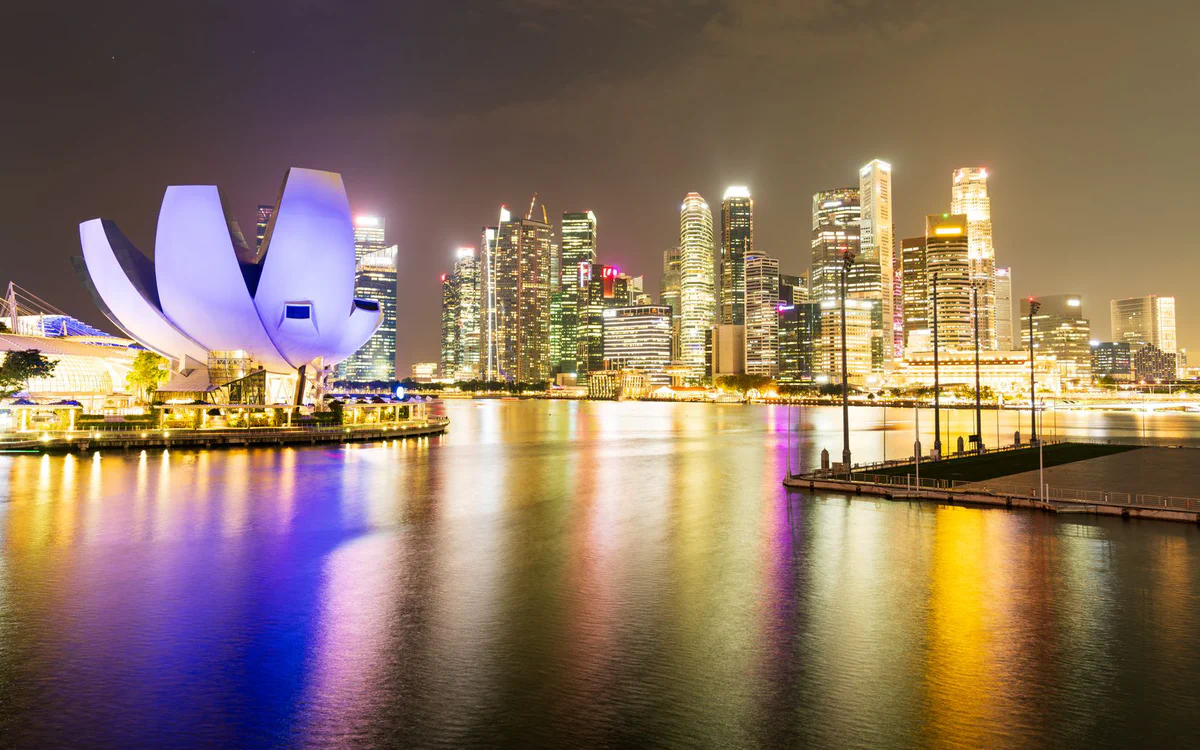
Singapore SIM Card & eSIM Guide (2026)
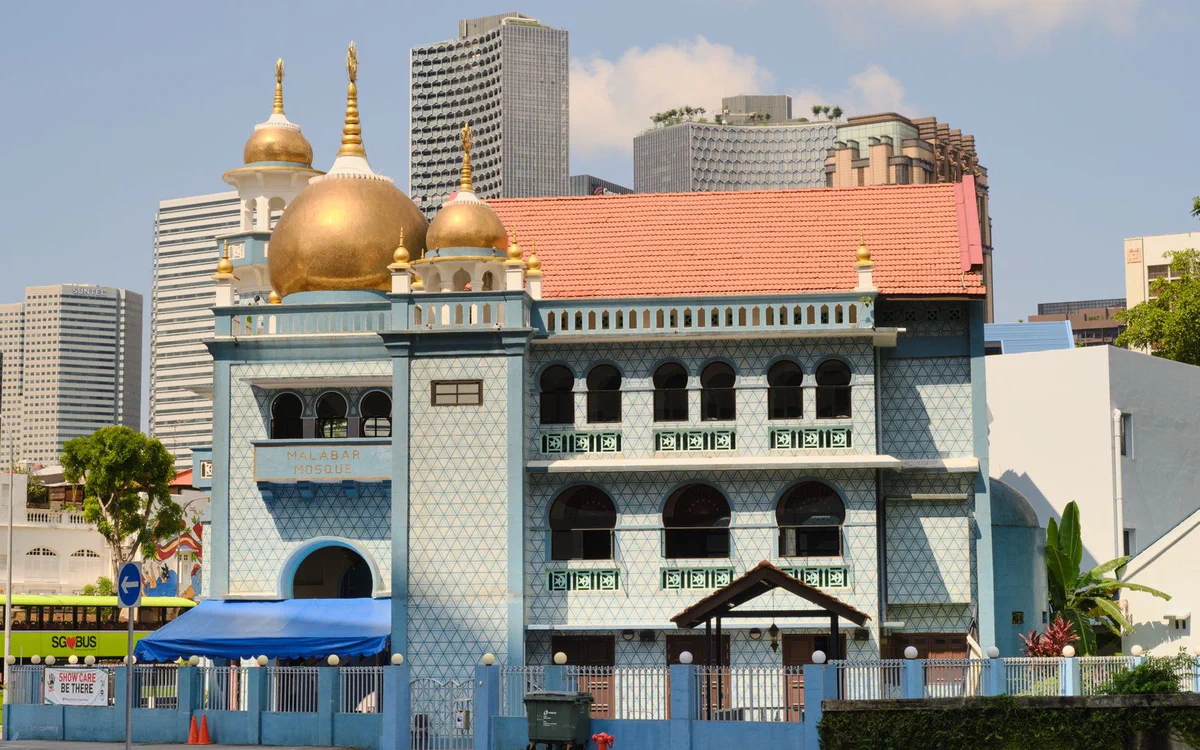
Singapore Visa Requirements by Country (2026): Entry and SG Arrival Card
Travel Insurance for Singapore: What to Cover (2026)
Before traveling, verify your basic administrative and logistical arrangements.
1. Realistic travel budget and tax rules
Singapore is among Southeast Asia’s more expensive destinations, but overall expenditure varies by travel style. Our Singapore travel-cost guide outlines typical expenses across accommodation, dining, and activities.
- Service charge and GST ("++"): Where a restaurant or hotel displays “++”, add a 10% service charge and 9% Goods and Services Tax (GST) to the listed price. Hawker stalls generally show the amount you pay.
- Tipping practices: Tipping is not generally expected, especially where a service charge has already been added.
2. Mobile data connectivity
Reliable data connectivity simplifies MRT navigation and ride-hailing. Review our Singapore SIM and eSIM guide to choose an option:
- Travel eSIMs: Convenient digital installation before departure for compatible smartphones.
- Prepaid Tourist Physical SIMs: Available at Changi Airport arrival halls and convenience stores, providing generous local data packages and calling time. By Singapore regulations, passport registration is required when purchasing local SIM cards.
3. Entry requirements and the SG Arrival Card (SGAC)
Consult our visa and entry requirements and the ICA website for the passport and visa rules that apply to your nationality and journey.
- SG Arrival Card Submission: Travelers who are required to file the electronic SG Arrival Card with Electronic Health Declaration submit it within 3 days before arrival (including the arrival date); transit and other exemptions should be checked on the official ICA page.
- Official Free Submission: The SG Arrival Card is entirely free via the official Immigration & Checkpoints Authority (ICA) website or the official MyICA Mobile app. Avoid third-party commercial sites that charge submission fees.
- Declaration vs. Visa: The SG Arrival Card is an entry declaration, not a visa. Travelers requiring an entry visa must secure it separately before departure.
4. Travel insurance coverage
While Singapore offers comprehensive healthcare infrastructure, medical treatment for non-residents is costly. Review our Singapore travel insurance guide to ensure your policy includes coverage for emergency medical treatment, hospital stays, trip interruptions, and baggage delays.
A first-trip rhythm that balances heat and energy
A common mistake for first-time visitors is attempting full-day continuous walking tours outdoors. Under tropical heat and humidity, structuring days into three phases maintains energy:
- Morning (08:30 – 11:30): Outdoor exploration, heritage walking tours, botanic garden visits, and temple sightseeing.
- Midday (12:00 – 15:30): Air-conditioned spaces—hawker centre lunches, national museums, indoor shopping galleries, or hotel rest.
- Late Afternoon & Evening (16:30 – 21:30): Waterfront promenades, observation decks, Gardens by the Bay light displays, and open-air night dining.
Applying this rhythm across different trip lengths:
- 3-Day Trip: Focus Day 1 on Marina Bay and the Gardens by the Bay domes. Dedicate Day 2 to Chinatown and Little India. Keep Day 3 flexible for Sentosa, Mandai’s wildlife parks, or shopping.
- 5-Day Trip: Incorporate a dedicated day for Sentosa or Mandai, plus a relaxed day exploring the Southern Ridges or the Singapore Botanic Gardens, balanced by evening dining along the river or in Katong.
- 7-Day Trip: Avoid rushed international side trips. Spend time cycling along East Coast Park, taking a bumboat to the rustic trails of Pulau Ubin, and exploring neighborhood food hubs at your own pace.
- Arrival and Departure Days: Keep schedules light. Allow extra time at Changi Airport to explore the Jewel waterfall, garden installations, and dining options before your flight.
Before you book checklist
Review these practical steps before finalizing reservations and departure plans:
- Verify walking distance to the nearest MRT station: Ensure your hotel is within a 5- to 7-minute walk, preferably with sheltered pedestrian paths.
- Reserve timed-entry tickets in advance: Secure time slots for the Gardens by the Bay conservatories, Universal Studios on Sentosa, and the Night Safari at Singapore Zoo.
- Factor taxes into your total budget: Check that hotel and dining estimates account for the 10% service charge and 9% GST where applicable.
- Confirm contactless payment methods: Prepare a contactless bank card or mobile wallet for SimplyGo transit taps, alongside a modest amount of physical SGD cash for traditional hawker stalls.
- Check the SG Arrival Card requirement: If your journey requires it, complete the free declaration on the official ICA website within 3 days before arrival.
- Pack suitable clothing for the tropics: Bring lightweight, breathable clothing, comfortable walking shoes, an umbrella, and a light layer for air-conditioned indoor spaces.
- Allow sufficient time at Changi Airport: Plan to arrive at least 3 hours before departure (or 4 to 5 hours if visiting Jewel) to complete check-in and explore the facilities comfortably.
Use this destination index to shape the foundation of your journey, then refer to our focused guides as specific routing and booking choices arise.