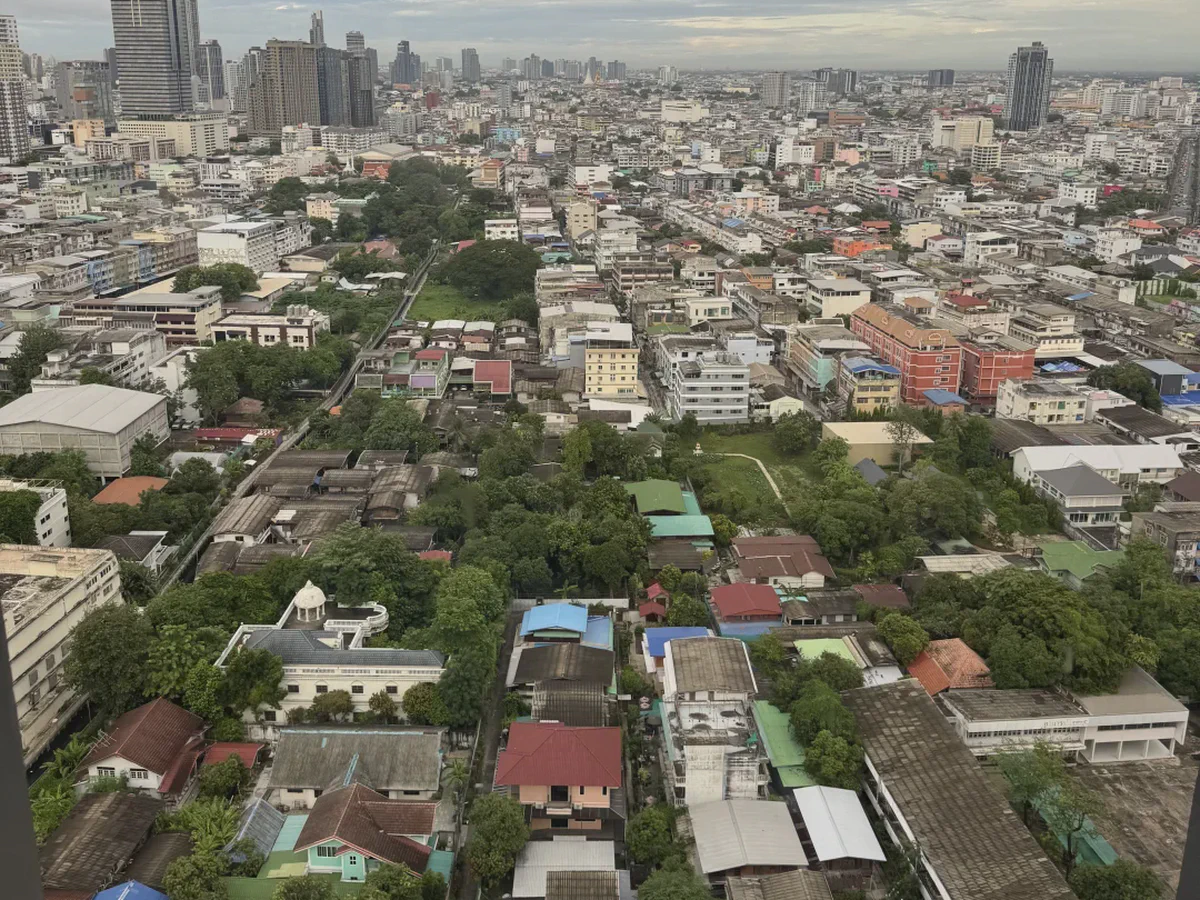
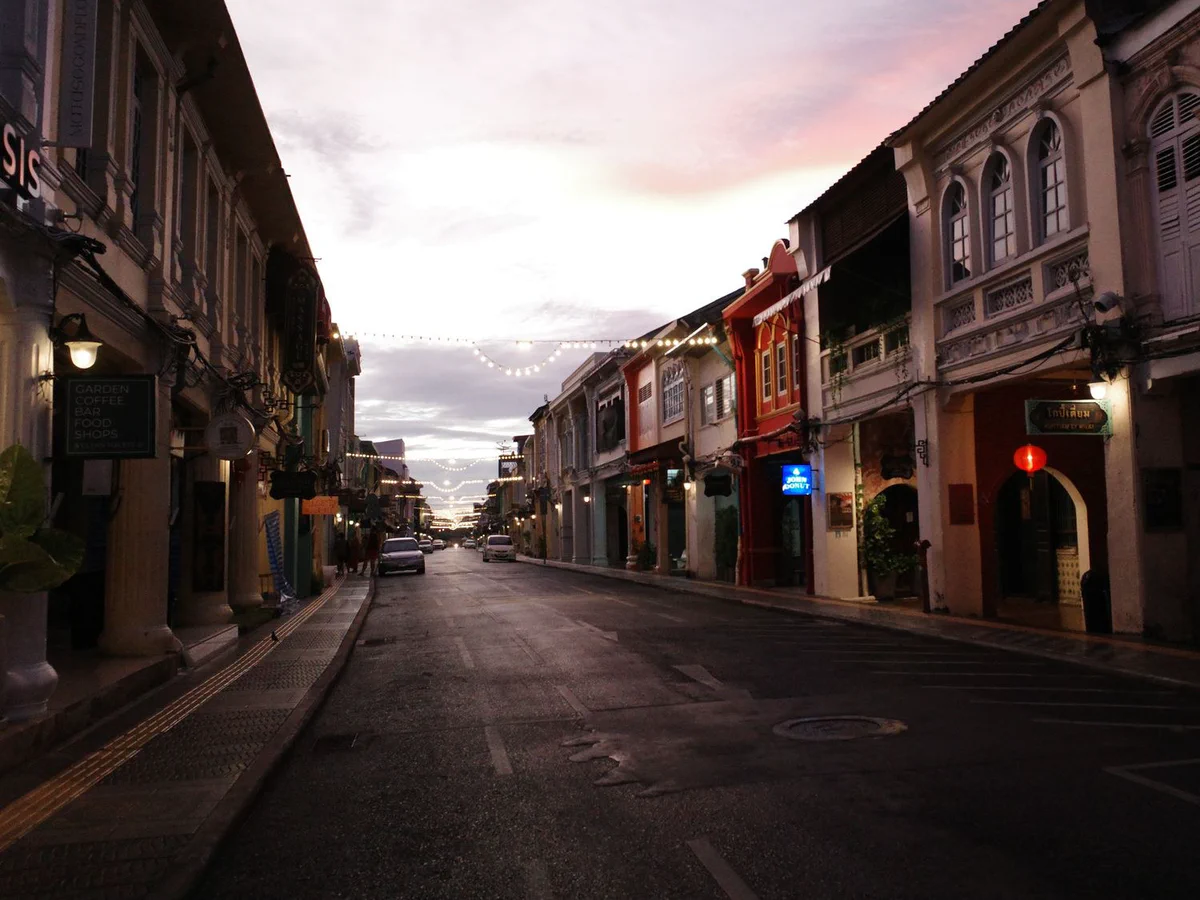
December to February is the easiest starting point for a first Thailand itinerary, but it is not uniformly perfect. Bangkok and Chiang Mai become much less tiring on foot, while Phuket and Krabi enter their strongest beach window. Koh Samui follows a different monsoon rhythm: December can still be wet before conditions improve through January and February. Singapore is fully workable, but year-end rain means a covered backup should be part of the day from the beginning.
If this were a first trip with ten days, I would use Bangkok plus Chiang Mai or one Andaman coast—not all three. The weather may be favorable, but airport transfers, ferry terminals and holiday crowds still consume energy. Use our Thailand timing guide to compare the regions before building the route.
How the three months differ
December is festive and convenient across much of mainland Thailand, but it also carries the greatest year-end pressure on rooms and transport. January is the cleanest all-round compromise for Bangkok, Chiang Mai and the Andaman coast. February stays strong and brings a better seasonal case for Koh Samui, though northern air quality deserves closer attention as the month progresses.
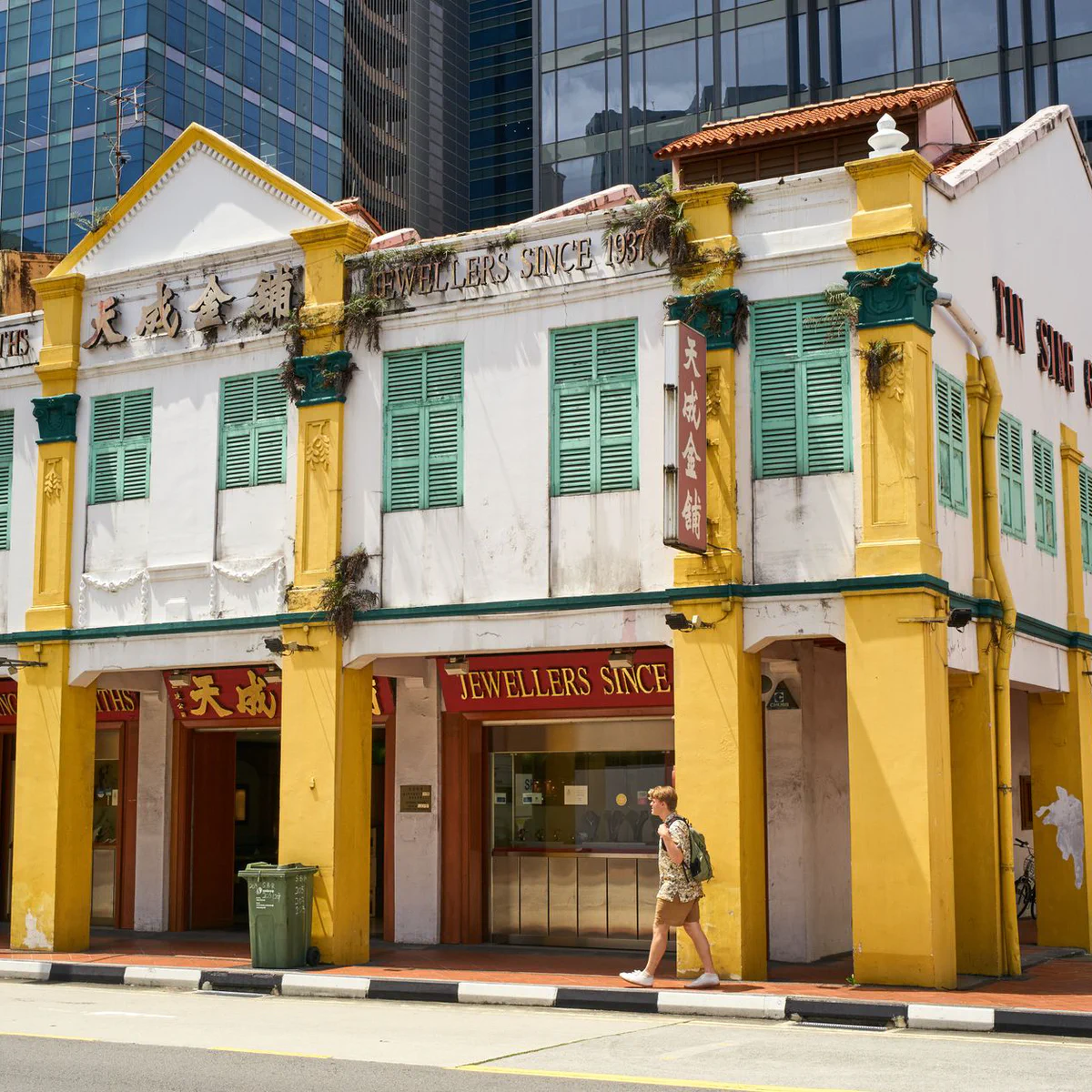
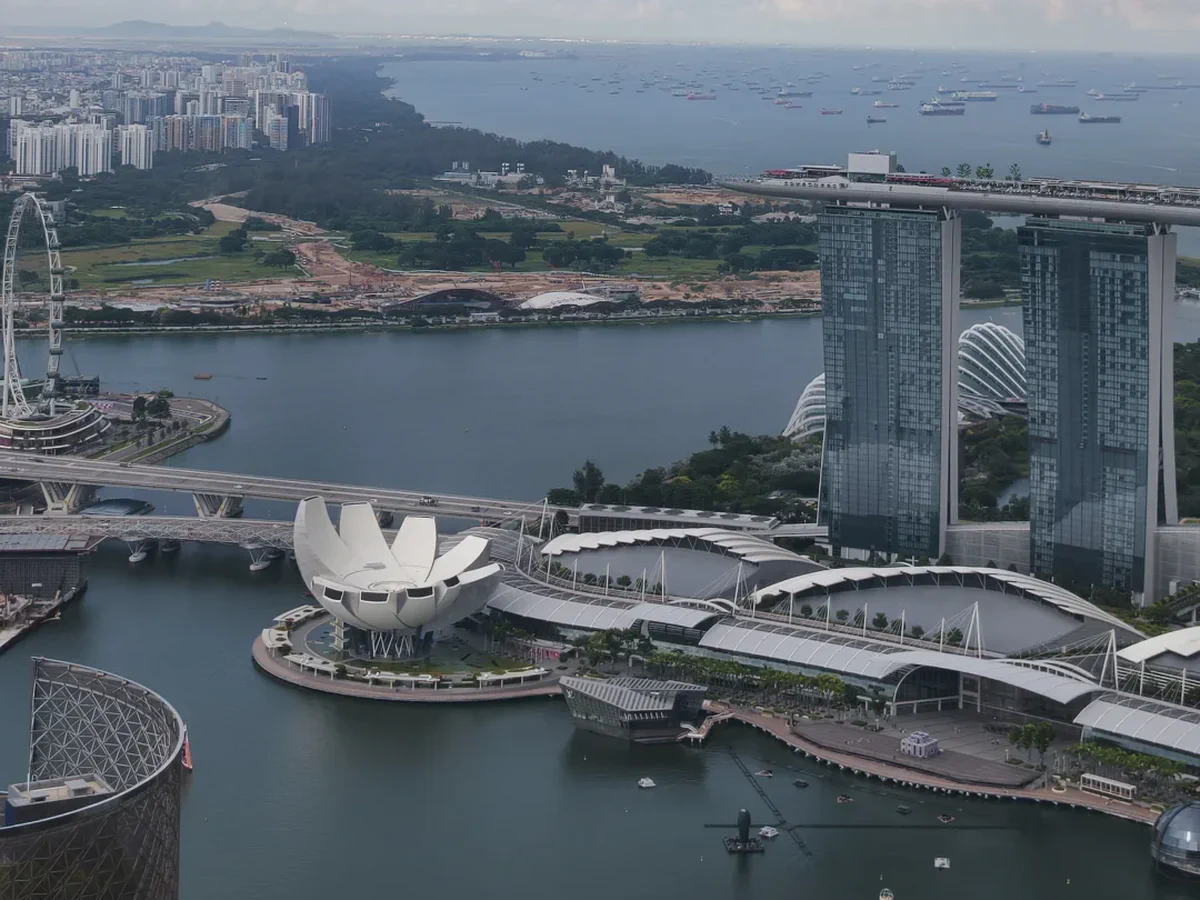
Singapore does not have a cool dry season in the Thai sense. December and January sit inside the wetter phase of its Northeast Monsoon, while February has the lowest long-term average rainfall at Changi. That makes February attractive for outdoor-heavy plans, not rain-proof. The Singapore month-by-month guide explains the difference without pretending the city has a guaranteed dry season.
The realistic trade-off
This period reduces weather friction but increases booking friction. Popular hotels, convenient flight times and calm-sea boat trips attract the same travelers. Book earlier when dates overlap Christmas, New Year or Lunar New Year, but keep some space in the itinerary: pleasant weather does not make a four-stop trip restful.